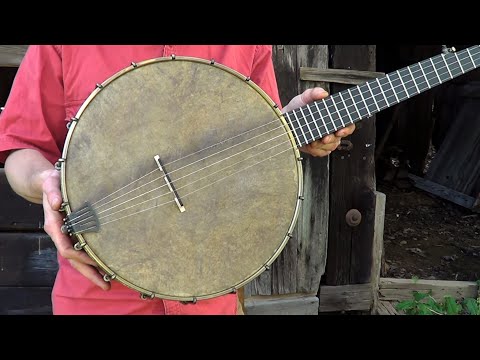
This YouTube video showcases a late 1890s S.S. Stewart "Special Thoroughbred" banjo with a 10-5/8" pot. The description extensively details the historical and cultural context of the banjo, linking it to Native American heritage, folk music traditions, moundbuilders, outlaws, and early minstrel shows. It highlights various playing styles, musical genres (including blues, waltz, skiffle, tin pan alley, Afro-Caribbean, West African, Cajun zydeco, Métis, Creole, and Melungeon indigenous traditions), and associated artists and musicians. The creator, Clifton Hicks, also provides links to his Patreon, SubscribeStar, Bandcamp, merchandise, and payment platforms.
This YouTube video provides a two-finger banjo lesson for the song "I Don't Love Nobody." The instructor, Clifton Hicks, details the tuning (gDGBD relative, fCFAC actual) and traces the song's history back to an 1896 printing, noting its connection to Woody Guthrie's "I Ain't Got Nobody." The description also references Elizabeth Cotten and Grandpa Jones as other artists who performed this piece, and thanks Jerron Paxton and Evan Collins for their historical and technical insights. Various links are provided for supporting the banjo heritage project, including Patreon, Bandcamp, merchandise, and music streaming platforms.
This YouTube video features a close-up demonstration of "German War" banjo playing, specifically focusing on up-picking techniques. The description highlights a variety of traditional and historical banjo styles, including overhand, clawhammer, two-finger, and thumb-lead. It delves into the history, anthropology, folklore, and musicology of banjo music, referencing its roots in southern Appalachian mountain music and early minstrel shows. The content also touches upon Afro-Caribbean, West African, Cajun, and zydeco influences, as well as Indigenous North American musical traditions. Numerous influential banjo players and musicians are mentioned throughout the description, providing historical context and influence.
This video provides a banjo lesson on the traditional song "John Henry," featuring a specific version by Clifton Hicks. The lesson details the tuning (gCGCC, with a drop-tune noted) and delves into the history and folklore surrounding the song and its subject. It also highlights various banjo playing styles such as overhand, clawhammer, and two-finger picking, as well as mentioning related musical traditions and historical figures in old-time and folk music.
This video showcases "Morphine" performed by Clifton Hicks, featuring close-up, both-hands playing of the banjo. The description highlights various old-time banjo techniques such as overhand, clawhammer, two-finger, thumb lead, frailing, and stroke styles. It also delves into traditional southern Appalachian mountain hoedown and early minstrel show techniques, with references to history, anthropology, folklore, research, and musicology. The content touches upon breakdowns, blues, waltz pieces, Tin Pan Alley, Afro-Caribbean, West African, Cajun, zydeco, Métis, Creole, Melungeon, and indigenous North American music traditions. A comprehensive list of influential banjo players and related artists is provided, emphasizing mountain music and southern culture.
This video, titled 'Skin Banjo Heads: Tips & Tricks!', offers a deep dive into various banjo playing styles, including overhand, clawhammer, two-finger, thumb lead, and frailing. It explores traditional southern Appalachian mountain hoedown and early minstrel show techniques, delving into the history, anthropology, folklore, and musicology of the banjo. The content touches upon breakdowns, blues, waltz pieces, tin pan alley, and even influences from Afro-Caribbean and West African music. It also references Cajun, zydeco, Métis, Creole, Melungeon, and indigenous North American music traditions, highlighting its connection to mountain music and southern culture. The description lists a comprehensive array of influential banjo players and musicians, suggesting a rich historical and stylistic overview.
This YouTube video features a detailed examination and demonstration of a J.B. Schall "Imperial" Banjo from the 1880s-1890s. The content delves into various banjo playing techniques, including overhand, clawhammer, two-finger, and thumb lead styles, as well as traditional Southern Appalachian mountain hoedown and early minstrel show techniques. The description also highlights historical, anthropological, and musicological aspects, referencing different musical genres and cultural traditions from Afro-Caribbean to indigenous North American music. It lists a significant number of influential old-time and folk musicians and artists, providing context for the instrument's historical significance.
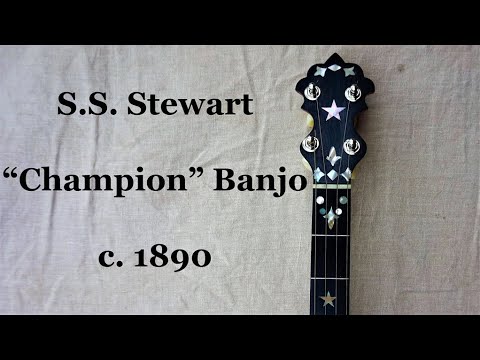
This video focuses on the S.S. Stewart "Champion" Banjo from the 1890s, featuring close-ups and demonstrations of various playing styles including overhand, clawhammer, two-finger, and thumb lead. It delves into the history, anthropology, folklore, and musicology of traditional Southern Appalachian mountain music and early minstrel show techniques. The content also touches upon influences from Afro-Caribbean and West African music, along with references to Cajun, zydeco, Métis, Creole, Melungeon, and indigenous North American music traditions. Several notable old-time musicians and banjo players are mentioned, highlighting the rich cultural heritage associated with this instrument.
This YouTube video, titled 'Banjo #14 Show & Tell!', focuses on the history and techniques of playing the banjo, particularly within traditional Appalachian mountain music and early minstrel show traditions. It delves into various playing styles such as overhand, clawhammer, two-finger, and thumb lead, alongside a deep dive into the historical and anthropological roots of the music. The description lists numerous influential banjo players and related musical genres, suggesting a comprehensive exploration of old-time and folk music traditions. While the title mentions 'Banjo', there is no indication of firearms content.
This video delves into the traditional two-finger banjo technique, demonstrating fundamental elements such as index lead, thumb lead, rolls, drop thumb, syncopation, waltz rhythms, and percussive playing. The demonstration utilizes an 1888 Luscomb banjo tuned to a specific setting. The description also lists various other banjo styles and historical references, including overhand, clawhammer, frailing, and stroke styles, as well as specific regional music traditions and influential musicians.
This YouTube video features a discussion and demonstration of old-time music, specifically focusing on banjo techniques such as overhand, clawhammer, and two-finger picking. It delves into the history and cultural significance of this music, referencing Appalachian mountain music, minstrel shows, and various regional traditions. The video also includes a "Banjo Q&A" section and promotes the creator's music via Patreon, Bandcamp, Spotify, iTunes, Venmo, and PayPal. It lists a comprehensive array of influential old-time musicians and highlights diverse musical influences.
This video explores the world of old banjos, offering guidance on where to buy them and how much to expect to spend. It delves into various playing styles, including overhand, clawhammer, two-finger, and thumb-lead techniques, alongside traditional Southern Appalachian and early minstrel show methods. The content also touches upon the historical and anthropological aspects of the banjo, its connection to blues, waltz pieces, Tin Pan Alley, Afro-Caribbean and West African music, and mentions specific traditions like Cajun, Zydeco, Métis, Creole, Melungeon, and indigenous North American music. A comprehensive list of influential banjo players and related musicians is provided.
Gun Laws by State
Read firearms regulations for all 50 states + D.C.
Find Gun Dealers
Search licensed FFL dealers near you.