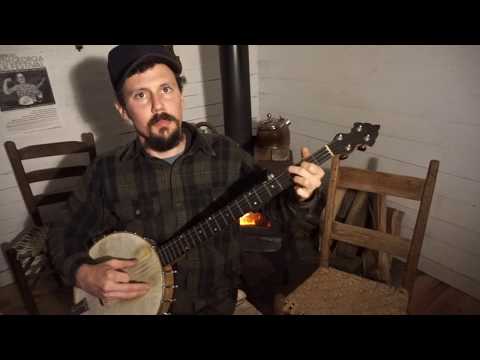
This video presents a traditional banjo lesson on the early folk ballad "Hiram Hubbard." The instructor, Clifton Hicks, learned the song from Jake Book, who in turn learned it from a recording of Jean Ritchie and Doc Watson. The video details the specific banjo tuning used (Luscomb banjo tuned gDGBD relative, e B E G# B actual) and provides the lyrics to the song. It also promotes various ways to support the instructor's work, including Patreon, Bandcamp, merchandise, and direct donations. The description also lists a broad range of banjo styles, historical influences, and related musicians, highlighting the rich heritage of Appalachian folk music.
This video is a traditional banjo lesson focusing on Dock Boggs' song "Wise County Jail." The instructor, Clifton Hicks, demonstrates how to play the song using three different traditional banjo techniques: overhand (clawhammer), two-finger, and up-picking (Seeger style). He also discusses the historical context of the piece and its composer, Dock Boggs, who wrote it around 1928. The video utilizes the "Two-Finger C tuning" (gCGBD relative, fB♭FAC actual). Hicks also provides links for supporting his work through Patreon, Bandcamp, merchandise, PayPal, Venmo, Spotify, and iTunes. Hashtags used include #banjo, #folkmusic, and #history.
This video showcases a unique, unmarked banjo from the 1800s, possibly made by HC Nelson. The instrument features sand-shaded hardwood inlays depicting a sun and crescent moon on the peghead. The creator demonstrates its sound and playability, noting a slight neck warp. The banjo is tuned to gCGCC with medium-light nylon strings, including a wound 4th string. The video references various banjo playing styles like overhand, clawhammer, and two-finger, as well as historical and folk music traditions from Appalachia and beyond, with mentions of numerous influential old-time musicians and styles.
This video showcases "Morphine" performed by Clifton Hicks, featuring close-up, both-hands playing of the banjo. The description highlights various old-time banjo techniques such as overhand, clawhammer, two-finger, thumb lead, frailing, and stroke styles. It also delves into traditional southern Appalachian mountain hoedown and early minstrel show techniques, with references to history, anthropology, folklore, research, and musicology. The content touches upon breakdowns, blues, waltz pieces, Tin Pan Alley, Afro-Caribbean, West African, Cajun, zydeco, Métis, Creole, Melungeon, and indigenous North American music traditions. A comprehensive list of influential banjo players and related artists is provided, emphasizing mountain music and southern culture.
This video features a performance of the traditional folk song "East Virginia" on a c. 1910 Weymann 5-string banjo. The description details the banjo's tuning and provides the lyrics to the song. It also references alternative titles for the song like "AKA East Virginia Blues, Dark Holler Blues, Green Back Dollar." The content delves into various banjo playing styles including overhand, clawhammer, two-finger, and thumb lead, as well as traditional southern Appalachian mountain techniques. The creator also touches upon historical, anthropological, and musicological aspects related to old-time music, southern culture, and influences from Afro-Caribbean, West African, Cajun, and zydeco traditions. A wide range of influential old-time musicians and artists are mentioned, highlighting the historical context and lineage of the music.
This YouTube video features a detailed examination and demonstration of a J.B. Schall "Imperial" Banjo from the 1880s-1890s. The content delves into various banjo playing techniques, including overhand, clawhammer, two-finger, and thumb lead styles, as well as traditional Southern Appalachian mountain hoedown and early minstrel show techniques. The description also highlights historical, anthropological, and musicological aspects, referencing different musical genres and cultural traditions from Afro-Caribbean to indigenous North American music. It lists a significant number of influential old-time and folk musicians and artists, providing context for the instrument's historical significance.
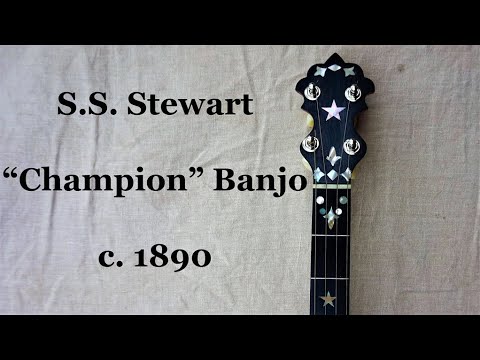
This video focuses on the S.S. Stewart "Champion" Banjo from the 1890s, featuring close-ups and demonstrations of various playing styles including overhand, clawhammer, two-finger, and thumb lead. It delves into the history, anthropology, folklore, and musicology of traditional Southern Appalachian mountain music and early minstrel show techniques. The content also touches upon influences from Afro-Caribbean and West African music, along with references to Cajun, zydeco, Métis, Creole, Melungeon, and indigenous North American music traditions. Several notable old-time musicians and banjo players are mentioned, highlighting the rich cultural heritage associated with this instrument.
This video delves into the historical recreation of early gourd banjos, exploring various playing styles including overhand, clawhammer, two-finger, and thumb-lead. It touches upon traditional Southern Appalachian mountain music, minstrel show techniques, and broader historical and anthropological aspects of music. The description also references influential banjo players and related musical traditions from American folk and Afro-Caribbean roots, aiming to provide a comprehensive look at the instrument's evolution and cultural significance.
This YouTube video is titled "Wild Bill Jones" and features Clifton Hicks, a musician specializing in old-time banjo music. The description provides links to his various music platforms (Patreon, Bandcamp, Spotify, iTunes) and payment methods (Venmo, PayPal). It details the musical styles covered, including overhand, clawhammer, two-finger, thumb lead, frailing, and stroke styles, as well as traditional southern Appalachian mountain hoedown and early minstrel show techniques. The content also touches upon history, anthropology, folklore, research, and musicology, with references to blues, waltz pieces, Tin Pan Alley, Afro-Caribbean and West African history, Cajun and zydeco, and Métis, Creole, Melungeon, and indigenous North American music traditions. A comprehensive list of influential old-time musicians and singers is provided, along with related hashtags and artists.
This video is about old-time banjo music, featuring close-ups and demonstrations of various playing styles such as overhand, clawhammer, two-finger, thumb lead, frailing, and stroke styles. It delves into traditional southern Appalachian mountain hoedown and early minstrel show techniques. The content also touches on the history, anthropology, folklore, research, and musicology of banjo playing, including breakdowns, blues, waltz pieces, tin pan alley, Afro-Caribbean and West African influences, and references to Cajun, zydeco, Métis, Creole, Melungeon, and indigenous North American music traditions. The description lists numerous influential banjo players and related musicians, suggesting a deep dive into the genre's roots and evolution. The video's title, '1-1 CAV. The boys meet a chicken,' seems unrelated to the detailed description of banjo music and is likely a placeholder or unrelated element.
This YouTube video, titled "Bound to Ride -", appears to be a music-focused piece by Clifton Hicks, featuring "oldtime banjo close ups and demonstrations" of various playing styles including overhand, clawhammer, two finger, thumb lead, frailing, and stroke styles. The content delves into traditional Southern Appalachian mountain hoedown and early minstrel show techniques. It also touches on historical, anthropological, and folkloric aspects, including breakdowns, blues, waltz pieces, tin pan alley, and influences from Afro-Caribbean, West African, Cajun, zydeco, Métis, Creole, Melungeon, and indigenous North American music traditions. The description lists numerous influential musicians and traditions associated with old-time and folk music. The provided links direct viewers to the artist's Patreon, Bandcamp, Spotify, iTunes, Venmo, and PayPal for support and further engagement with their music.
This YouTube video focuses on a musical performance of 'Cumberland Gap' by Clifton Hicks, learned from Lee Sexton. The description details various banjo playing styles (overhand, clawhammer, two-finger, thumb lead, frailing, stroke) and mentions historical and anthropological influences on the music, including southern Appalachian mountain music, minstrel shows, and Afro-Caribbean traditions. It also lists numerous influential old-time musicians. The video provides links to the artist's Patreon, Bandcamp, Spotify, iTunes, Venmo, and PayPal for further engagement.
Gun Laws by State
Read firearms regulations for all 50 states + D.C.
Find Gun Dealers
Search licensed FFL dealers near you.