This video details a combat rifle reload drill designed to test a shooter's ability to quickly and efficiently replace an empty magazine under pressure. The drill emphasizes building muscle memory for gear placement and performing the reload from various ready positions, culminating in re-acquiring the target for a follow-up shot within a strict time limit.
Instructor Mike details his former police duty belt setup, emphasizing strategic placement of essential gear for efficient and safe deployment. He highlights the importance of holster retention, natural magazine indexing, inward-facing handcuffs for rapid application, and support-side taser and baton carry to maintain firearm access. The guide stresses avoiding the small of the back for equipment and using belt keepers for gear security.
This guide details the proper setup and fitment of a plate carrier, emphasizing functional placement over aesthetics. It advises against simply attaching gear randomly, instead recommending a methodical approach starting with carrier positioning, then gear integration, and finally plate insertion. The instructor highlights common mistakes like incorrect plate height and unbalanced front/back levels, which can compromise protection and mobility.
The speaker discusses the practical application of a ReadyMag, emphasizing it's not for simply increasing round count. Instead, it's a tool for specific scenarios, particularly when anticipating immediate, high-volume engagement or transitioning to a 'one-point' position. The primary concern highlighted is the exposed magazine release, making it a last resort for carrying extra ammunition in dynamic situations.
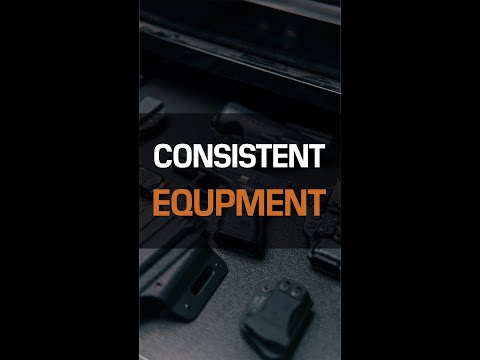
This video emphasizes the critical role of consistent gear placement for improving speed and efficiency in executing skills. It offers a behind-the-scenes glimpse into the filming of a video focused on appendix carry, highlighting the practical application of this principle. The core message revolves around reducing friction through a repeatable setup for faster and easier performance.
Johnny Q, demonstrating high authority in tactical gear, engages viewers by challenging them to find the smallest flashlight on his plate carrier. This interactive segment highlights the importance of efficient EDC gear placement and familiarizes viewers with specialized micro-flashlights. The video emphasizes a playful approach to gear showcasing.
Johnny Q, demonstrating high authority and expertise in tactical gear, explains how relocating equipment from a duty belt to a plate carrier significantly enhances comfort when seated in a patrol vehicle. He details the specific items commonly carried and their optimal placement on a vest for improved ergonomics during administrative tasks or extended periods in the car. This practical advice is crucial for law enforcement officers seeking to optimize their daily loadout.
This analysis, presented by John Correia and Mike Willever of Active Self Protection, breaks down a badge cam incident in Cammack Village, Arkansas. It critically examines an officer's approach, the suspect's non-compliance, and the challenges faced during a physical struggle, including Taser deployment issues and the importance of officer presence and fitness. The expert assessment highlights tactical decision-making and gear effectiveness in a high-stress law enforcement scenario.
This guide details the proper placement of hard armor plates in a plate carrier, emphasizing the importance of protecting vital organs like the heart, lungs, and diaphragm. Key placement points include aligning the top of the front plate with the suprasternal notch, extending it 1.5 inches below the sternum, and covering the nipples. The rear plate should be positioned about an inch below the C7 vertebrae. Side plates are noted to protect lower abdominal organs rather than thoracic vitals.
You've reached the end! 9 videos loaded.
Gun Laws by State
Read firearms regulations for all 50 states + D.C.
Find Gun Dealers
Search licensed FFL dealers near you.