This video details a combat rifle reload drill designed to test a shooter's ability to quickly and efficiently replace an empty magazine under pressure. The drill emphasizes building muscle memory for gear placement and performing the reload from various ready positions, culminating in re-acquiring the target for a follow-up shot within a strict time limit.
This video analyzes a self-defense incident where a clerk successfully defended himself against an armed robber. It highlights the importance of situational awareness, the risks of staged firearms, and the legal justification for using deadly force. The analysis emphasizes that while the clerk won the fight, luck played a significant role due to factors like the firearm's placement and the robber's actions.
This guide outlines five essential steps for new concealed carriers after obtaining their permit. It emphasizes the importance of advanced training beyond basic permit classes, building a training community, setting clear practice goals, implementing consistent dry and live fire routines, and carrying non-firearm self-defense tools like pepper spray and a trauma kit, alongside medical training.
This video showcases a firearms training drill, likely a variation of 'hide and seek,' emphasizing rapid engagement and target acquisition. Participants are shown in a dynamic scenario, reacting to targets and demonstrating shooting proficiency. The session appears to be a practical application of tactical skills in a controlled environment.
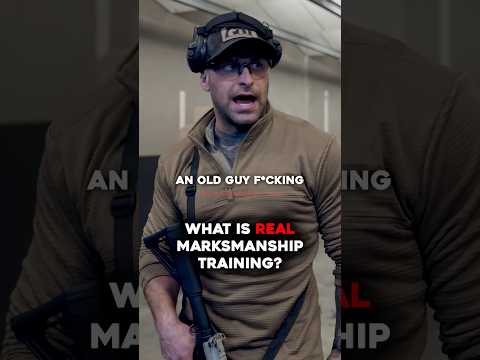
This video debunks the common misconception of what constitutes effective firearms training. Expert instruction from Achilles Heel Tactical highlights the critical difference between 'uncomfortable' training, which pushes limits for improvement, and 'uncontrolled' training, which is counterproductive. The focus is on making mistakes, understanding their causes, and actively correcting them to achieve genuine skill development.
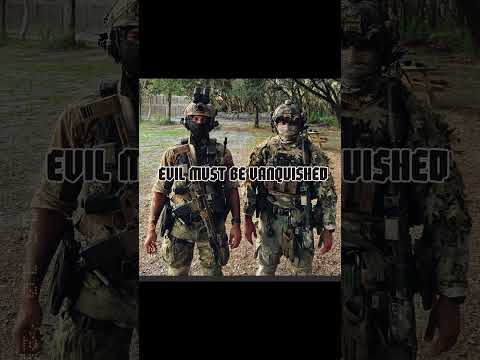
This video showcases advanced tactical training and firearms proficiency, featuring operators utilizing AR-15 style rifles with LPVOs and offset red dots, suppressed SBRs with NVGs for night operations, and vehicle-mounted machine guns. The high-energy montage emphasizes a 'vanquish evil' theme with a blend of tactical gear and religious imagery, highlighting professional firearms handling and the use of high-end equipment in a tactical training environment.
This expert analysis, drawing from Tim of Aegis Inc., debunks the 'inner Rambo' myth, emphasizing that effective action under extreme stress, like returning fire while wounded, requires rigorous, realistic training. It highlights the critical mandate for law enforcement to engage threats without retreat and critiques current training's lack of stress inoculation, which often fails to prepare officers for the physiological and psychological realities of combat.
This video emphasizes the critical need for comprehensive firearms training for law enforcement officers, particularly ICE. The speaker, drawing on his own extensive police training experience, argues that inadequate training leads to significant problems and misallocation of resources. He advocates for officers to receive established, efficient training to ensure competence before deployment, suggesting a review of deployment strategies based on actual threats.
This video provides a comprehensive guide to preparing for potential societal disruptions, emphasizing self-reliance and community building. It details essential preparations including securing everyday carry (EDC) items, maintaining vehicle readiness, and building strong micro-communities. The instructor stresses the importance of firearms proficiency, medical training, and physical fitness, alongside practical advice on gear checks, winter preparedness, and stockpiling resources for grid-down scenarios.
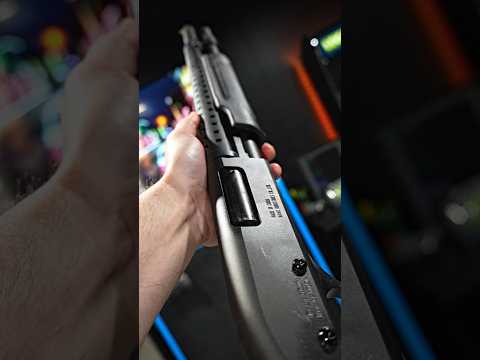
This guide details how to effectively use snap caps for dry fire practice on a pump-action shotgun, as demonstrated by Collapse N Protect. It emphasizes the cost-effectiveness and efficiency gains achievable through this method, allowing shooters to build proficiency without expending live ammunition. The instruction highlights transitioning from awkward manipulation to high-speed cycling through consistent practice.
Instructor Mike, a former/current police firearms instructor, critically examines law enforcement training. He highlights how officer ego can lead to resistance to external instruction and how departmental leadership may prioritize easy qualification over genuine proficiency, citing an example where a rigorous FBI course led to mass failure, prompting a return to a simpler state course. The discussion also emphasizes the need for internal accountability in training standards, regardless of a department's demographic makeup.
This video explores the practical accuracy of shooting an MP5 in full auto while moving, specifically walking and running. The instructor demonstrates that while full auto movement shooting is possible, accuracy significantly decreases, with a notable number of rounds missing the target. The takeaway is that practice and potentially faster movement can improve hit rates, though substantial accuracy loss is inherent.
Gun Laws by State
Read firearms regulations for all 50 states + D.C.
Find Gun Dealers
Search licensed FFL dealers near you.