Mike Wallace, Chief Instructor at Bravo Tactical, details the 'Big Red' dynamic movement shooting course at Sierra One facility. This intermediate-level drill emphasizes engaging targets at varying distances (125-300 yards) over 330 yards of movement, with a 30-second penalty for missed shots. The course simulates real-world scenarios by incorporating physical exertion at over 6,000 ft elevation, requiring shooters to manage breathing and heart rate for accurate shots.
This video introduces the rare Glock 19P (Practice) and 19R (Reset) models, designed for safe, realistic training. The 19P is a non-firing replica for holster drills and close-quarters combat practice, emphasizing firearm safety by being incapable of chambering live rounds. The 19R is a serialized firearm with modified internals allowing for dry-fire practice, focusing on trigger control and sight alignment without the need to rack the slide between shots. Both are presented as valuable collector's items and training tools, not available in the general civilian market.
This video analyzes a critical incident where Bellevue officers responded to a domestic disturbance that escalated into a knife attack. It highlights the importance of rapid reaction time, effective close-quarters defense against edged weapons, and tactical decision-making under extreme duress. The analysis emphasizes that even trained officers can be caught off guard and underscores the need for continuous training in unpredictable scenarios, including fighting from compromised positions and understanding the limitations of body armor against stabbing attacks.
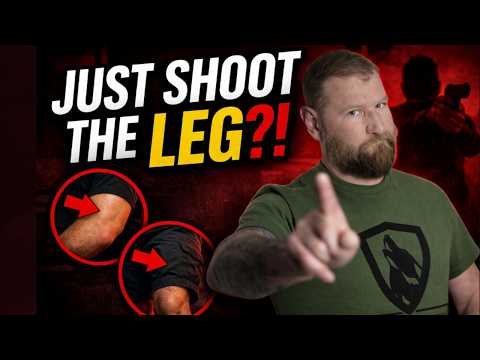
This video from Geauga Firearms Academy debunks the myth of shooting specific body parts like the hand or leg to stop a threat. Instructor Kim explains that the primary goal of using deadly force is to stop the threat, not to kill. He emphasizes that under extreme stress, aiming for small targets like hands or legs is ineffective due to reduced accuracy and the presence of vital arteries in those areas. The instruction highlights that center mass is the recommended target area because it's the largest and most accessible under duress, a principle used by law enforcement and military. The video also stresses the importance of de-escalation and using alternative, less-lethal methods if available before resorting to deadly force.
This video analyzes a critical incident where officers responded to a welfare check that escalated to a deadly force encounter. It highlights the importance of de-escalation techniques, the justification for using deadly force against an armed assailant, and the critical role of personal protective equipment. The analysis also delves into tactical considerations like firearm retention, rapid firing, and backstop awareness, emphasizing the severe consequences of accidental discharges and the non-negotiable need for officers to wear ballistic vests.
This expert-level guide, presented by Matt Kalisch of Tactical Hyve, details five critical Close Quarters Battle (CQB) mistakes frequently observed in trained individuals. It emphasizes prioritizing room domination, maintaining security discipline, avoiding excessive speed, ensuring strict muzzle awareness, and the vital importance of thorough planning with tailored SOPs. The advice is geared towards enhancing survivability and effectiveness in tactical scenarios.
This guide, presented by an expert from Farewell Firearms Training, addresses the common 'tactical turtle' shooting posture. It explains how raising the shoulders and traps creates tension, negatively impacting shooting performance. The technique focuses on actively dropping the shoulders and engaging the lats to achieve a stable shooting structure, crucial for law enforcement, military, and competitive shooters.
The Yankee Marshal provides an expert-level analysis of Second Amendment rights, focusing on constitutional carry laws and recent incidents. He critiques law enforcement's understanding of these laws and discusses the importance of citizens knowing their rights during police interactions. The podcast also touches on current political events and the need to defend against potential gun control measures.
Project Blue Lion, a charitable initiative by Howitzer Manufacturing, offers free performance training to law enforcement officers. This program leverages a cadre of experienced shooters to deliver top-tier instruction. The training aims to enhance officer capabilities, potentially incorporating elements like scenario-based decision-making and timed drills, as evidenced by the use of shot timers and visual aids.
This interview with Ken Hackathorn delves into the history and impact of Gunsite Academy and its founder, Jeff Cooper. It highlights Cooper's pioneering role in combat shooting, the development of the Gunsite 250 course, and the enduring legacy of the 1911 pistol. The discussion also touches on the survivalist movement's influence and the importance of professional firearms training for self-defense.
The SIG Sauer Academy offers advanced, customized training programs for military and law enforcement professionals. Their extensive 140-acre facility includes specialized areas like a live-fire shoot house, tactical training zones, and advanced range capabilities for low-light and night vision scenarios, all led by experienced instructors.
This analysis from Active Self Protection, featuring law enforcement veteran Mike Willever, details a critical incident where a suspect attempted to disarm an officer. The video emphasizes the paramount importance of active retention holsters and the justified use of deadly force tactics, including strikes and leverage, to survive such an attack. It highlights that a disarming attempt escalates the situation to a deadly force encounter, necessitating a relentless fight for survival.
Gun Laws by State
Read firearms regulations for all 50 states + D.C.
Find Gun Dealers
Search licensed FFL dealers near you.