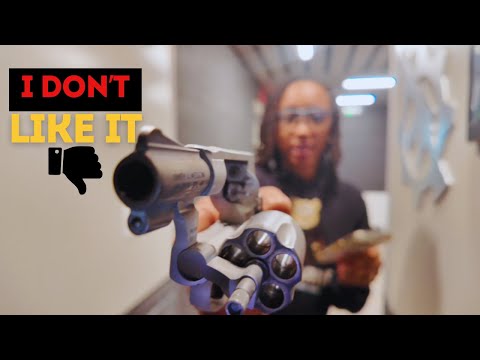
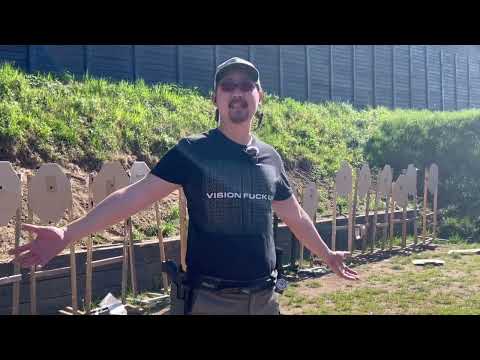
This video highlights the critical importance of foundational firearms training, particularly basic pistol classes, before progressing to more advanced courses like concealed carry or armed security. The speaker emphasizes that neglecting basic techniques can lead to injuries, such as the recoil-induced hand injury sustained by the speaker, and underscores the need for proper education to safely exercise Second Amendment rights.
This guide details techniques for first-time shooters of the Smith & Wesson 637 Revolver, focusing on grip, double-action (DA) and single-action (SA) trigger manipulation, and recoil management. It highlights common issues like 'revolver knuckle' and offers solutions for a more comfortable and accurate shooting experience. The advice is geared towards intermediate enthusiasts transitioning to revolvers.
This video addresses a common issue of support hand slippage during shooting, which hinders quick and accurate follow-up shots. Instructor Joel Park explains that the problem often stems from insufficient grip diameter or lack of traction. He advises ensuring adequate grip size for full palm contact and suggests solutions like grip tape or aftermarket panels. Park also emphasizes the importance of applying sufficient, but controlled, pressure with the support hand without over-tightening the firing hand, which can impede trigger reset.
This video demonstrates a common firearm training accident known as 'slide bite,' which occurred due to improper hand placement during live fire. The instructor recreates the incident using a Taurus G2C pistol to highlight the importance of awareness regarding what is coming from both the muzzle and the rear of the firearm. It emphasizes that even experienced instructors can make mistakes and stresses the need for constant vigilance.
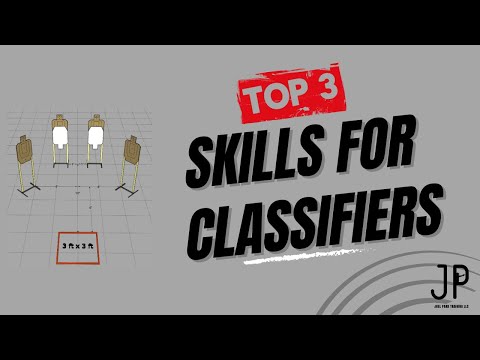
Joel Park, a seasoned instructor, outlines the top three dry-fire skills essential for USPSA classifiers: a well-developed index, proper grip and hand placement during the draw, and precise target transitions. He emphasizes that these fundamental skills, often overlooked in favor of speed, are critical for overall shooting proficiency and success in competitive scenarios.
This video emphasizes two key principles for an effective firearm grip: the grip must consistently point accurately (good index) and it must not break under recoil. The instructor demonstrates that while exact grip technique variation has a minor impact (10-20%), consistency and the ability to maintain the grip are paramount. Key techniques include establishing a natural pointing index and applying specific pressure points with the support hand to manage recoil and prevent the grip from failing.
This drill focuses on improving post-shot process and trigger control for rifle shooters. It emphasizes maintaining consistent hand placement, particularly for the trigger finger and thumb, and executing a deliberate follow-through by pinning the trigger after the shot breaks. The goal is to build muscle memory for a repeatable shooting sequence, enhancing accuracy and control.
This video explains the proper application of support hand grip pressure for pistol shooting. Ben Stoeger emphasizes connecting the support hand to the pistol to fill voids and prevent movement, rather than applying excessive force. The pressure should be applied as the gun comes up during presentation, before it reaches the eyeline, to ensure a stable platform for accurate shooting.
This video explains the proper technique for utilizing the support hand in a two-handed pistol grip, focusing on filling the 'void' and creating sufficient friction force to manage recoil. Ben Stoeger emphasizes applying consistent grip pressure early in the presentation process and avoiding unnecessary tension in the arms and shoulders to maintain control and consistency.
John Lovell, a professional firearms instructor, advises on the use of backstraps for firearms like the Glock 19. Based on training thousands of students annually, he explains that while backstraps can prevent 'slide bite' for those with larger hands, they often create grip gaps that reduce control and stability for most shooters. Lovell recommends removing backstraps for most individuals to achieve a more secure, full-contact grip, leading to better recoil management and consistent performance.
Demonstrating the extreme danger of muzzle blast, this video uses a .50 caliber rifle and a cardboard box to show the destructive force. It explains how muzzle brakes redirect gases and emphasizes the critical importance of keeping hands and body parts away from the firearm's muzzle during firing to prevent severe injury.
This instructional video explains how proper support hand placement and pressure are critical for preventing lateral firearm movement during shooting. By ensuring the 'hump' of the support hand is correctly positioned ('in the hole') and applying pressure upwards and backward, shooters can achieve a stable grip that resists unwanted deviation, even under significant pressure. Incorrect support hand positioning, either too low or too far forward, will cause the firearm to move in the opposite direction of the applied force.
Gun Laws by State
Read firearms regulations for all 50 states + D.C.
Find Gun Dealers
Search licensed FFL dealers near you.