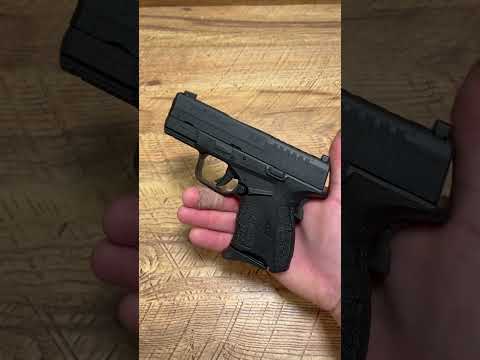
This TFBTV spotlight focuses on Glock's new all-metal 15-round magazines for the G43X and G48. These magazines offer a significant capacity increase, elevating the slimline pistols into contention with full-size duty handguns. The reviewer notes the premium feel of the metal construction and confirms their reliable performance in testing.
Johnny Q addresses a viewer question about single-stack versus double-stack magazines, explaining the fundamental difference in round alignment. He highlights that single-stack magazines, like those for the Glock 48, align rounds straight, leading to a slimmer firearm profile. Double-stack magazines, exemplified by a Glock 9mm with a 17-round capacity, stagger rounds for increased capacity. The speaker expresses a preference for double-stack for self-defense due to the higher round count, while acknowledging single-stack guns are typically smaller and lighter.
This guide, drawing from an experienced practitioner's insights, details how to select the appropriate round capacity for your concealed carry firearm. It emphasizes balancing concealability, personal protection needs, environmental factors, and daily comfort to ensure consistent and effective carry. The host highlights various popular models like the Sig P365, Glock 19, and HK VP9, discussing their pros and cons in different scenarios.
The US military's decision to adopt 9mm ammunition for sidearms, initially in the 1980s and continuing with the Sig P320, was driven by several key factors. These include standardization with NATO allies, logistical advantages like lighter weight and lower production cost, increased magazine capacity, and practical effectiveness, which emphasizes faster follow-up shots and more hits on target for the average soldier compared to larger calibers like .45 ACP. The recent adoption of the Sig P320 highlights continued adherence to these principles, with modularity being an added benefit.
This video from GUNBROS, featuring insights from Jarod, critiques the relevance of single-stack handguns in modern self-defense. The speaker argues that advancements in polymer frame technology have made double-stack pistols nearly as concealable as their single-stack counterparts, offering a significant capacity advantage. The discussion touches on the traditional 1911 platform and uses an AR-15 analogy to emphasize the superiority of higher capacity for defensive scenarios.
This video from Active Self Protection analyzes a home invasion where a homeowner successfully defended against three armed attackers. Host John Correia, an established self-defense instructor, breaks down the incident, emphasizing the importance of situational awareness in transitional spaces like garages, carrying a firearm on your person, understanding the Castle Doctrine, and the tactical advantage of higher firearm capacity when facing multiple threats.
This review of the Smith & Wesson Bodyguard 2.0 micro-compact pistol highlights its surprising shootability in .380 ACP, contrary to the reviewer's prior negative experiences with the caliber. Key positives include its 12-round capacity, comfortable grip for its size, easy manipulation, and decent trigger. Critiques focus on potential carbon buildup, a wide rear sight notch affecting precision, and the lack of a red dot optic cut. The reviewer suggests it's a viable option for concealed carry, backup guns, or for individuals with reduced hand strength.
Colion Noir, an established firearms commentator, provides a balanced perspective on the viability of .22 Magnum for self-defense. He highlights its low recoil as a significant advantage for a wider range of shooters and discusses advancements in firearm capacity, ammunition performance, and suppression capabilities that make it a more practical option than in the past. Noir emphasizes choosing modern defensive ammunition designed for expansion.
This video from 2WiLD Guns presents five firearm categories to consider acquiring before potential legislative changes following an election. The instructor, Tony D2Wild, emphasizes the importance of having firearms like micro-compact handguns for concealed carry, full-size handguns for home defense, Pistol Caliber Carbines (PCCs) for ease of use, shotguns for home defense, and AR-15 platforms (specifically braced pistols) due to ongoing legislative debates. He also touches on the benefits of suppressors and imported firearms like AK-47s, highlighting potential import bans and legislative pressures.
This video identifies five categories of firearms the federal government allegedly does not want citizens to possess: semi-automatic rifles with pistol grips (like ARs and AKs), .50 caliber rifles, semi-automatic handguns with magazines exceeding 10 rounds, small semi-automatic shotguns, and micro-compact concealed carry handguns. The speaker suggests these restrictions are aimed at limiting Second Amendment rights.
This video argues that the Glock 19 and Glock 17 are the best handguns globally, citing their universal adoption, reliability, durability, and capacity. The instructor emphasizes the effectiveness of 9mm ammunition and the ease of maintenance and parts availability for Glocks. While acknowledging minor complaints like plastic sights, the overall assessment is overwhelmingly positive, positioning Glocks as a practical and dependable choice for most users.
This YouTube video, titled 'Too Little Capacity?', likely discusses firearms and their magazine capacities. Given the title, the content is expected to explore the sufficiency of ammunition magazines for various firearm types, potentially comparing different models or calibers in terms of their loaded rounds. The analysis suggests a focus on practical implications for shooting, self-defense, or tactical scenarios where ammunition count is a critical factor. The video aims to inform viewers about firearm capacity limitations and possibly offer solutions or alternatives.
Gun Laws by State
Read firearms regulations for all 50 states + D.C.
Find Gun Dealers
Search licensed FFL dealers near you.