This video tests the lethality and effectiveness of marbles as shotgun projectiles. The experiment evaluates projectile energy, accuracy, and penetration against homemade armor. Results indicate marbles can penetrate wood and are considered lethal under certain conditions, though accuracy and dispersion are also assessed.
This video demonstrates a DIY approach to creating rudimentary body armor using common office supplies and ceramic plates. The Civilian Tactical host conducts informal ballistics tests with .22 LR, 9mm FMJ, and 7.62x39mm rounds, showcasing the effectiveness of the layered paper and ceramic against different calibers. While presented informally, the tests offer a practical, albeit basic, look at projectile stopping power.
This video demonstrates the construction of DIY body armor using readily available materials like porcelain tiles and fiberglass. Two primary designs are explored: a solid tile plate and a 'dragon scale' tile plate. The process involves cutting and layering tiles, bonding them with Liquid Nails, and reinforcing with fiberglass resin. The constructed plates are then subjected to ballistic testing with 9mm, .357 Magnum, and 5.56x45mm rounds to evaluate their effectiveness, with results indicating varying levels of protection.
This video from Demolition Ranch, featuring experts from Q, tests the effectiveness of various homemade body armor plates against 5.56x45mm NATO and 8.6 Blackout rounds. The tests reveal that common homemade armor designs offer minimal protection against high-velocity rifle rounds and even struggle against some heavy subsonic .30 caliber projectiles. The discussion highlights the importance of proper ballistic materials and design for effective protection.
This video demonstrates the effectiveness of homemade ballistic armor panels against .44 Magnum and 9mm Luger rounds. A panel with 70 layers successfully stopped a .44 Magnum round, while a panel with 54 layers was penetrated by both calibers. The presenter notes that more layers are likely needed to stop 9mm effectively.
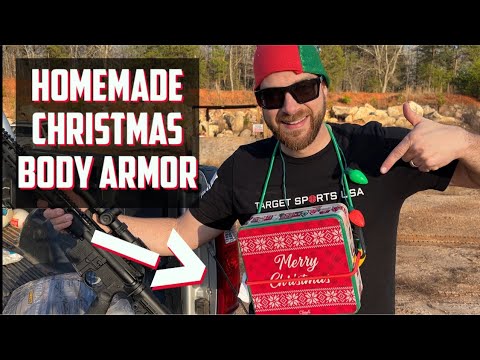
This video demonstrates the construction and ballistic testing of a DIY 'Christmas Body Armor' using a cookie tin filled with river pebbles. The creator, identified as an experienced tactical gear content creator, humorously tests its effectiveness against 9mm and 5.56x45mm rounds. While surprisingly effective at stopping these projectiles due to the fragmentation properties of the pebbles, the project is strictly for entertainment and not recommended for real-world protection.
This guide details an experimental DIY construction of a Level IIIA soft body armor panel using readily available fiberglass welding blankets. The process involves layering and sewing the material, then encasing it. However, testing revealed significant failures against 9mm and .44 Magnum rounds, highlighting the limitations of this specific DIY approach compared to professional ballistic materials like Kevlar.
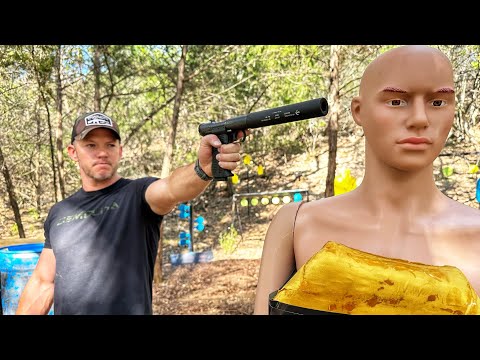
This entry details the testing of a homemade silk ballistic plate and the B&T Station Six-45 pistol, as presented by firearms expert Matt Carriker. The video explores the effectiveness of silk armor against various calibers and critically assesses the B&T Station Six-45's performance, highlighting significant trigger and feeding issues. Carriker's honest, albeit humorous, assessment provides valuable insights into niche firearm products and DIY ballistic protection.
This video demonstrates a DIY bulletproof vest constructed from ceramic knives. Live fire testing with an AK-style rifle chambered in 7.62x39mm showed that the ceramic blades successfully shattered, dissipating the bullet's energy and preventing penetration. While the improvised vest held up against rifle rounds, it's crucial to understand the limitations and safety considerations of homemade armor.
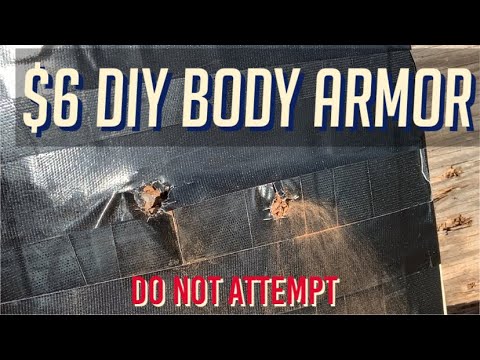
This YouTube Shorts video demonstrates a DIY method for creating body armor. The title and description heavily emphasize that this is for entertainment purposes only and explicitly warn viewers not to attempt it at home. The video was performed in a closed range, suggesting safety precautions were taken during the demonstration itself. Given the nature of the content, it leans towards a potentially dangerous and educational (in a cautionary sense) demonstration of makeshift armor.
This video details a DIY challenge to create body armor using only materials purchased from Walmart for under $20. The creator constructs a multi-layered panel using a cake pan, gravel, concrete patch, notebooks, and duct tape. The homemade armor is then tested against .22LR, 9mm, 5.56x45mm, and 7.62x39mm rounds at 10 yards, demonstrating surprising effectiveness.
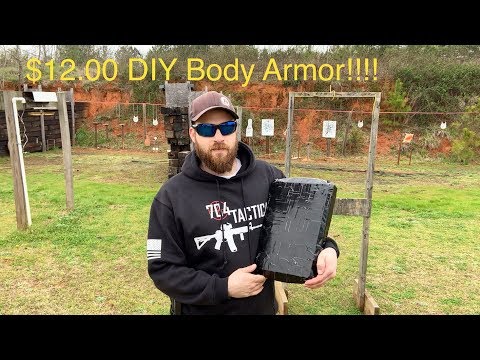
This video explores a $12 DIY body armor build using Dollar Tree materials, including baking pans, glue, rocks, and a book. While it surprisingly stopped a 9mm round and the first 5.56 round, it failed against 7.62x39. The host emphasizes this is for entertainment and not a reliable safety substitute.
Gun Laws by State
Read firearms regulations for all 50 states + D.C.
Find Gun Dealers
Search licensed FFL dealers near you.