This analysis from Active Self Protection breaks down a jewelry store shootout in Phoenix, Arizona. Experts John Correia and Stephannie Weidner detail the incident, from the robber's initial threat and punitive leg shot to the owner's counter-ambush and subsequent engagement. The segment highlights critical defensive shooting principles, including the challenges of pocket carry, the importance of accuracy, and the proper assessment of lethal threats.
This video discusses Texas HB 2879, also known as the Aaliyah Wallace Act, which aims to protect tenants and unit owners from eviction or fines following the justified use of force, including deadly force. The bill addresses a specific case where a tenant was threatened with eviction after using deadly force in self-defense. However, the legislation does not explicitly prohibit landlords from banning firearms on their private property, a point of contention.
This video discusses the legal and practical implications of a minor using a firearm for self-defense, specifically in a home invasion scenario. It emphasizes that while a child may be *able* to use a firearm effectively with training, legal permissibility and parental liability are distinct considerations. The discussion highlights that even in Castle Doctrine states, any use of deadly force triggers a thorough investigation, and parents can be held liable if a minor illegally obtains and uses a firearm, especially for illegal purposes.
This analysis, presented by John Correia, breaks down a self-defense incident where a defender's emotional fitness deficit led to a tragic outcome. It highlights the critical legal distinction between justified self-defense and murder, emphasizing the importance of controlling one's actions even after neutralizing an immediate threat. The content stresses that road rage is never worth the risk and underscores the necessity of emotional control in defensive encounters.
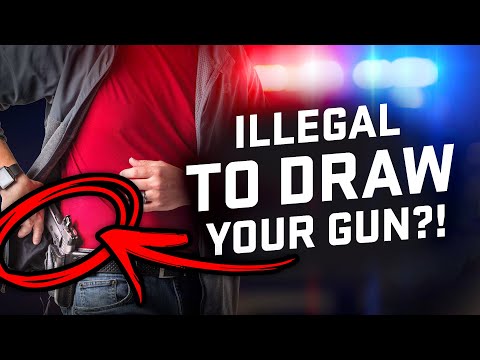
This video, featuring former law enforcement officer Chip Eberhard, provides expert guidance on the legalities of drawing a firearm for self-defense. It breaks down the five pillars of justified force: Innocence, Imminence, Avoidability, Proportionality, and Reasonableness, emphasizing that legal knowledge is as critical as firearm proficiency. The content stresses understanding self-defense laws, utilizing resources like the USCCA app, and applying these principles to real-world scenarios.
Following a justified deadly force encounter, it is critical to understand the legal implications of speaking with law enforcement. While cooperation is often expected, statements made before arrest can be used against you. The video advises contacting a criminal defense attorney immediately and only pointing out vital evidence to law enforcement, such as an attacker's weapon, to ensure it is preserved.
You've reached the end! 6 videos loaded.
Gun Laws by State
Read firearms regulations for all 50 states + D.C.
Find Gun Dealers
Search licensed FFL dealers near you.