This podcast episode from The Yankee Marshal delves into the profound and often overlooked consequences of a justified self-defense shooting. It emphasizes that such an event, while legally permissible, triggers immediate legal scrutiny, negative media attention, and significant social and financial repercussions. The speaker, identified as experienced, highlights the immense psychological toll, including potential PTSD, and stresses that carrying a firearm for self-defense is a serious responsibility with lifelong implications.
This video discusses the legal implications of police officers intentionally placing themselves in danger to justify a shooting. It highlights that courts have established that officers cannot create a dangerous situation and then claim self-defense when the suspect attempts to flee. Such actions by an officer can constitute a crime.
This video from Colion Noir analyzes a concerning incident where masked individuals threatened a homeowner. Noir, a high-profile Second Amendment advocate, breaks down Virginia's legal standards for deadly force, emphasizing the critical difference between a threat outside a closed door and a breached entryway. He stresses that 'stupidity is dangerous' and can lead to tragic outcomes, urging viewers to prioritize preparedness and secure their homes.
Colion Noir analyzes a road rage incident where a man, Elijah Wilks, attempted to pistol-whip an off-duty Milwaukee police officer. The officer was justified in shooting Wilks, and dashcam footage from the officer's Z-EDGE dashcam proved critical in substantiating the self-defense claim. Noir emphasizes the importance of dashcams as essential tactical gear and highlights the role of organizations like USCCA in providing post-incident legal and financial protection.
This video analyzes an officer-involved shooting following a stolen car chase in Greensboro, NC. The hosts, experienced instructors, break down the tactical decisions, the officer's actions, and the critical moments leading to the shooting. They emphasize the importance of understanding human performance under stress and the totality of circumstances in evaluating such incidents, concluding the officer's actions were justified.
This video from Active Self Protection analyzes a critical incident in Pima County, Arizona, where deputies responded to a suspect armed with a katana. Instructors John Correia and Mike Willover break down the suspect's erratic behavior, the deputies' tactical approach, and the justified use of deadly force. The analysis highlights effective communication and tactical positioning during a high-stress encounter.
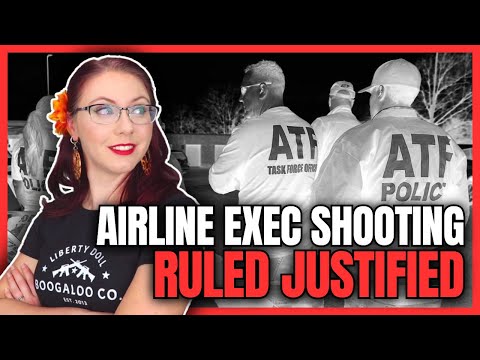
This video analyzes the ATF raid and subsequent shooting of Brian Malinowski, which was ruled justified under Arkansas law. The speaker criticizes the ATF's tactics, including the short time given before breaching the home and the lack of body cameras, arguing these actions violated Malinowski's rights and led to a situation where he felt compelled to defend himself. The legal justification for the shooting is examined in light of the circumstances.
This video analyzes the justified shooting of Senior Airman Roger Forston by a deputy sheriff. The presenter, Eric from Iraqveteran8888, breaks down the body camera footage and discusses the legal and tactical implications. He emphasizes that while the deputy may have been following protocol, the shooting itself is questionable, particularly given Forston's non-aggressive posture with his legally owned firearm. The video highlights the importance of de-escalation and the potential for misunderstandings in high-stress situations.
This video discusses a Pennsylvania man, Vincent Yadus, who faces charges for carrying a firearm on his own property without a concealed carry permit, despite shooting and injuring a burglar in self-defense. The case highlights a legal technicality in Pennsylvania law, where carrying is only permitted in one's 'place of Abode' or 'fixed place of business,' not all owned property. Similar cases in New York are also examined, illustrating broader issues with gun laws and self-defense rights.
This video explains that a concealed carry permit can be revoked following a self-defense shooting if the shooting is deemed unjustified. An investigation will determine the justification, and if it's found to be assault or murder, felony charges can lead to permit revocation. Understanding local self-defense and carry laws is crucial.
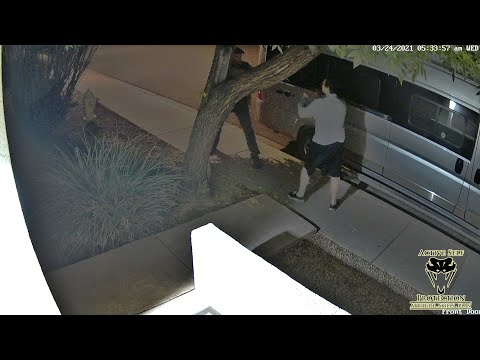
This analysis breaks down a defensive shooting incident from Phoenix, Arizona, as presented by John Correia of Active Self Protection. It covers the confrontation between former friends, the aggressor's armed approach with a knife, and the defender's justified use of lethal force. Key takeaways include the importance of preparation, understanding self-defense laws like Arizona's 'defensive display' statute, and the necessity of follow-through after a shot.
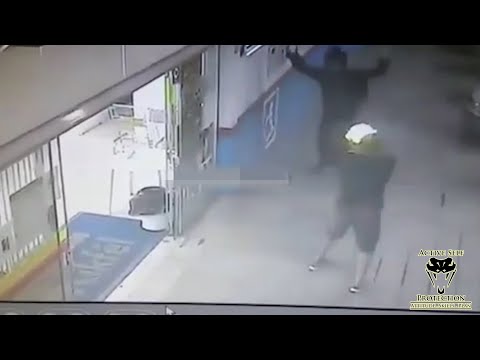
This video from Active Self Protection, featuring John Correia, analyzes a controversial justified shooting incident. Correia, an evidence-based defensive trainer, breaks down the event using CCTV footage, focusing on the suspect's actions, the defender's reaction time, and the legal implications of drawing a firearm. The analysis highlights the critical 'lag time' between a perceived threat and the defensive action, emphasizing the importance of understanding legal use-of-force standards.
Gun Laws by State
Read firearms regulations for all 50 states + D.C.
Find Gun Dealers
Search licensed FFL dealers near you.