This video, featuring insights from USCCA's Director of Content Kevin Michalowski, discusses the implications of Illinois's assault weapons ban. It highlights extremely low compliance rates with the firearm registration deadline and raises concerns about potential house-to-house confiscations based on FOID records. The speaker draws parallels to historical bans and urges gun owners to engage politically to protect their rights.
This guide outlines critical steps to take immediately following a self-defense shooting incident, based on expert advice from USCCA's Director of Content, Kevin Michalowski. It emphasizes the importance of invoking the right to an attorney and avoiding statements that could be misconstrued by law enforcement due to high stress. The guide also warns against tampering with evidence at the scene.
This video from USCCA, featuring Kevin Michalowski, analyzes the lawful use of deadly force. It breaks down the legal framework of Ability, Opportunity, and Jeopardy, using real-world surveillance footage to illustrate a self-defense scenario. The discussion emphasizes situational awareness and the importance of decisive action when facing a credible threat.
This video details a force-on-force training scenario conducted by USCCA, featuring Colion Noir. It highlights the critical differences between a shooter's recall of events under stress and the objective physical evidence, emphasizing the legal ramifications of misreporting actions, especially when engaging a fleeing suspect. Experts like Tom Grieve and Kevin Michalowski provide analysis on perceptual distortions and legal accountability.
This video discusses a three-step nuclear attack survival plan released by New York City, featuring speaker Kevin Michalowski of USCCA. He expresses skepticism about the plan's completeness and emphasizes the critical importance of personal preparedness, including essential supplies like firearms, food, and water, for self-reliance during emergencies.
This video analyzes President Biden's executive order on firearms, arguing it targets law-abiding citizens and is ineffective against violent crime. The USCCA Director of Content, Kevin Michalowski, breaks down the executive order's points, highlighting concerns about universal background checks, red flag laws infringing on Fourth Amendment rights, and safe gun storage laws potentially leading to confiscation. The video also questions the marketing of guns to children and the broader implications for Second Amendment rights, emphasizing the importance of constitutional checks and balances. It includes a giveaway for viewers and encourages USCCA membership.
This guide, presented by Kevin Michalowski of USCCA, provides expert-level insights into the ATF's pistol brace ruling. It details compliance options, including registration as an SBR, brace removal, alternative support methods like slings, and legal modifications such as installing a 16-inch upper receiver. The information is crucial for AR-15 pistol owners seeking to navigate the complex regulatory landscape and maintain legal firearm ownership.
This guide, presented by Kevin Michalowski of USCCA, outlines critical considerations for armed citizens contemplating intervention in an active shooter event. It stresses the personal nature of the decision, emphasizing self-defense and family responsibilities. The guide details tactical approaches, including movement techniques, cover usage, target identification, and essential gear, all delivered with a serious and pragmatic tone befitting a professional trainer.
This guide provides five essential techniques for enhancing personal safety in and around vehicles, particularly in parking lots. Instruction comes from Kevin Michalowski, Director of Content for USCCA, who draws on his experience as a former police officer and competitive shooter. The focus is on proactive measures to deter potential attackers and escape dangerous situations.
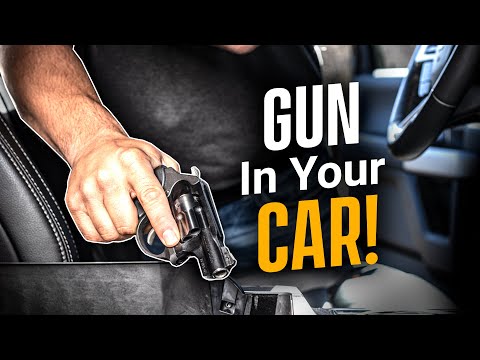
This guide, presented by Kevin Michalowski, Director of Content for USCCA, outlines best practices for temporarily storing a firearm in a vehicle. It emphasizes using secure portable safes and prioritizing safety during administrative handling and re-holstering. The instruction highlights the critical importance of trigger discipline and muzzle awareness to prevent accidental discharges.
This video emphasizes that verbal warnings in concealed carry situations can de-escalate threats and provide legal benefits by turning bystanders into witnesses. It stresses drawing a firearm only as a last resort against imminent death or serious harm, not for intimidation. The content also warns against improper firearm presentation, which can lead to brandishing charges, and highlights survival priorities in deadly force encounters.
This video, hosted by USCCA's Kevin Michalowski and featuring attorney Tom Grieve, clarifies the legal boundaries of using deadly force. It emphasizes that deadly force is for 'people defense,' not 'property defense,' and explains nuances of Castle Doctrine, robbery vs. burglary, and the use of force for protecting pets. The discussion highlights the severe legal consequences of unjustified shootings and advises prioritizing de-escalation and retreat.
Gun Laws by State
Read firearms regulations for all 50 states + D.C.
Find Gun Dealers
Search licensed FFL dealers near you.