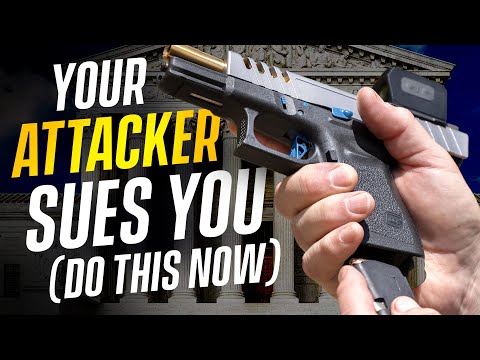
This video explains that even after being cleared criminally for a defensive gun use, individuals can still face civil lawsuits. It highlights that these civil suits can result in significant financial burdens, potentially costing tens or hundreds of thousands of dollars in legal fees, even if the defendant ultimately prevails. The USCCA is mentioned as a resource that can help members navigate these legal challenges.
Massad Ayoob, an expert firearms instructor and legal analyst, breaks down the critical legal distinctions in self-defense scenarios, using the Ahmaud Arbery and Kyle Rittenhouse cases as examples. He emphasizes the importance of not being the initial aggressor and the legal ramifications of citizen's arrests, highlighting how motive and the totality of circumstances are crucial in determining the legality of using deadly force.
This video analyzes the legal principles of self-defense, particularly in the context of the Kyle Rittenhouse case. The speaker, identifying as an instructor, emphasizes that initiating a confrontation or acting with intent to provoke negates self-defense. He argues that while Rittenhouse's presence with a firearm might have been poor judgment or even technically illegal (like a straw purchase), it did not automatically invalidate his right to self-defense if he was attacked. The core legal requirement, according to the speaker, is proving the defendant's intent to create a situation for self-defense, a burden the prosecution failed to meet.
You've reached the end! 3 videos loaded.
Gun Laws by State
Read firearms regulations for all 50 states + D.C.
Find Gun Dealers
Search licensed FFL dealers near you.