This video provides a first look at the Smith & Wesson Model 386 Night Guard, a scandium-framed L-frame revolver chambered in .357 Magnum. The presenter highlights its lightweight yet durable construction, a 3-inch barrel with a full-length extractor rod, ball detent lockup, Hogue Bantam grips, and an adjustable rear sight. It's presented as a capable defensive carry option.
This video provides an overview of the Smith & Wesson Model 586 Classic revolver. It highlights its L-frame construction, designed for durability and handling .357 Magnum ammunition. The presenter notes its historical use by law enforcement and security professionals, emphasizing its robust build capable of withstanding thousands of rounds.
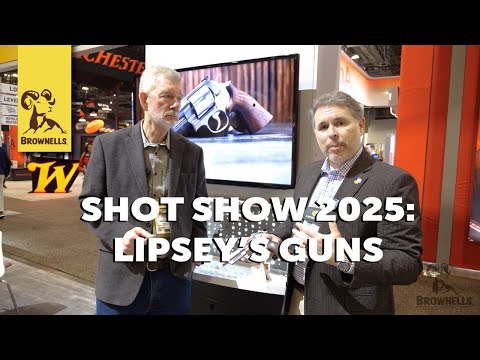
This video showcases Lipsey's exclusive 2025 releases: the Smith & Wesson 686 Plus and 629 Mountain Gun revolvers. These models revive the iconic Mountain Gun concept with modern enhancements like ball detent lockup, reinforced forcing cones, and custom Tyler Gun Works grips, while omitting the internal lock. The 686 Plus is a 7-shot .357 Magnum, and the 629 is a .44 Magnum, both featuring tapered barrels and lightweight designs.
This expert review from Line45 analyzes the top 5 .357 Magnum revolvers for 2025, including the Diamondback SDR, Colt Python, Ruger GP-100, Smith & Wesson Model 686 Plus, and Taurus 608 Competition. The video provides detailed insights into each model's design, features, and performance, drawing on the instructor's extensive experience in firearms instruction and competitive shooting. Key aspects covered include trigger pull, ergonomics, capacity, and suitability for various applications like self-defense and competition.
This review of the Smith & Wesson Model 69 .44 Magnum, dubbed the 'Combat Magnum,' highlights its L-frame construction, a departure from the larger N-frame typically used for .44 Magnum revolvers. The presenter, a seasoned revolver owner, praises its manageable recoil for the caliber, accurate shooting characteristics, and the tight lock-up facilitated by its ball detent system. The review details trigger pull weights for both single and double action, notes the two-piece barrel design, and discusses potential considerations like the smaller trigger guard for gloved use.
This video compares the Smith & Wesson Model 60 and the 686 Deluxe, both chambered in .357 Magnum. The Model 60, a J-frame, is highlighted for its concealability and lightweight design, making it ideal for carry but less comfortable for extensive range sessions due to recoil. The 686 Deluxe, an L-frame, is presented as a more substantial firearm suitable for home defense and enjoyable range use, though its size and weight make it less practical for concealed carry.
This review of the Smith & Wesson Model 69 Combat Magnum highlights its suitability for backcountry defense, offering .44 Magnum power in a more compact L-frame than a full-size 629. It features interchangeable barrel lengths, a recoil-absorbing grip, and a surprisingly crisp trigger, making it accurate even at extended ranges for an unrested firearm.
This guide details shooting techniques and ammunition considerations for the Smith & Wesson Model 686-1, drawing on the expertise of Hickok45. It covers transitioning from .38 Special to .357 Magnum, demonstrating accuracy at various ranges, and understanding the practical implications of carbon ring buildup. The guide also touches on double-action vs. single-action firing for precision.
This video provides an in-depth look at the Smith & Wesson Model 696 in .44 Special, presented by firearms expert hickok45. It covers the revolver's features, historical context of the .44 Special cartridge, and practical shooting demonstrations. hickok45 highlights the L-frame design, the manageable recoil of the .44 Special, and compares the 'no-dash' 696 to modern S&W revolvers, offering insights into its cult following and discontinuation.
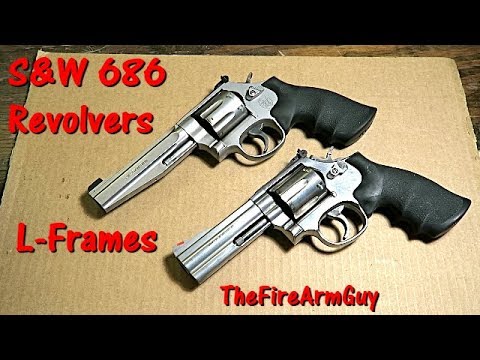
This review covers two Smith & Wesson 686 L-Frame revolvers. One is a pre-lock, 6-shot model likely from the 1980s with a 4-inch barrel, featuring a firing pin on the hammer. The other is a newer Pro Series, 7-shot model with a 5-inch barrel and a transfer bar, which has undergone internal polishing and mainspring lightening for a 6.5-pound double-action trigger pull, making it suitable for competition. Both revolvers are praised for their reliability, accuracy, and comfortable grips, performing well with both .357 Magnum and .38 Special ammunition.
This video reviews the Smith & Wesson Model 69 and Model 66 revolvers, highlighting their suitability as carry options. The Model 69 is noted as the first L-frame revolver chambered in .44 Magnum, offering significant power in a compact package. Both models feature a two-piece barrel design and ball detent lockup for enhanced durability and rigidity. The discussion emphasizes the versatility of shooting lower-power ammunition (.44 Special, .38 Special) for practice and recoil management.
This review of the Smith & Wesson 686 - 6 L-frame revolver highlights its stainless steel construction, polished finish, and 4.25-inch bull barrel. The instructor notes the comfortable Hogue grip and the revolver's balance, weighing just under 40 ounces. While the double-action trigger is described as heavy and slightly gritty in stock form, the single-action break is considered good. The firearm handles both .38 Special and .357 Magnum rounds effectively, with the weight and grip mitigating recoil.
Gun Laws by State
Read firearms regulations for all 50 states + D.C.
Find Gun Dealers
Search licensed FFL dealers near you.