S&W Model 696 Chapter 2 .44 Special

Published on June 23, 2019
Duration: 25:15

This video provides an in-depth look at the Smith & Wesson Model 696 in .44 Special, presented by firearms expert hickok45. It covers the revolver's features, historical context of the .44 Special cartridge, and practical shooting demonstrations. hickok45 highlights the L-frame design, the manageable recoil of the .44 Special, and compares the 'no-dash' 696 to modern S&W revolvers, offering insights into its cult following and discontinuation.

Quick Summary

The Smith & Wesson Model 696 is a classic L-frame revolver chambered in .44 Special, known for its manageable recoil and accuracy. Produced from the late 1990s to early 2000s, 'no-dash' versions feature a hammer-mounted firing pin. Despite its appeal, it was likely discontinued due to sales volume, offering a distinct experience compared to higher-capacity .357 Magnum models like the 686 Plus.

Chapters

  1. 00:00Introduction and Caliber Comparison
  2. 01:52Initial Shooting and Acquisition
  3. 04:00Model 696 Features and History
  4. 07:30The .44 Special Cartridge
  5. 09:30Market Position and Discontinuation
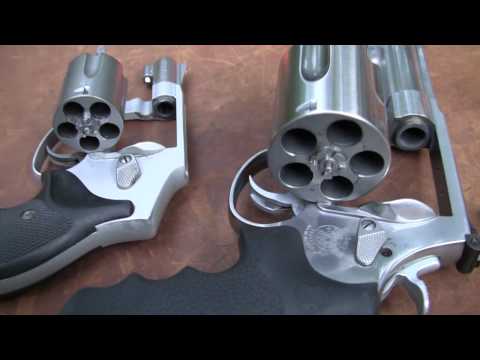
  6. 13:30Comparison with Modern S&W Revolvers

Frequently Asked Questions

What are the key features of the Smith & Wesson Model 696?

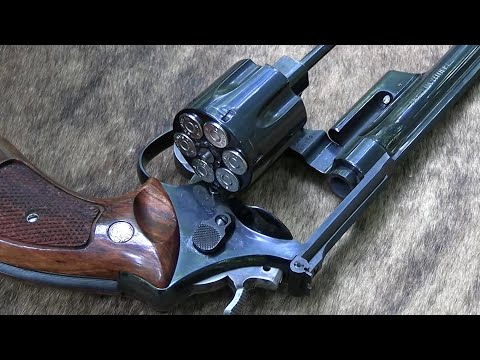
The S&W Model 696 is an L-frame revolver chambered in .44 Special, typically featuring a 3-inch barrel and a 5-round cylinder. Early 'no-dash' models, like the one shown, lack an internal lock and have a hammer-mounted firing pin, produced roughly between 1996 and 2002.

How does the .44 Special cartridge compare to other calibers?

The .44 Special, originating from the .44 Russian, is known for its accuracy and manageable recoil, offering ballistic performance often compared to the .45 ACP. It's considered a 'sweet-shooting' round suitable for various applications.

Why was the Smith & Wesson Model 696 discontinued?

While the Model 696 has a dedicated following, it's believed to have been discontinued because it likely did not achieve the sales volumes necessary to justify its continued production costs when compared to other firearm models in Smith & Wesson's lineup.

What distinguishes older S&W revolvers from newer models?

Older Smith & Wesson revolvers, like the 'no-dash' Model 696, often feature hammer-mounted firing pins and lack the internal safety lock found on many newer models, such as the 686 Plus. These design changes reflect evolving manufacturing practices and safety considerations.

Related News

All News →

More Reviews Videos You Might Like

More from hickok45

View all →