This video features a comparison of five different 1911 pistols, including a brand-new Dan Wesson Specialist, a WWII-era Remington Rand, a used SIG Sauer GSR, a Kimber Classic Lightweight, and a Colt Series 70 Gold Cup National Match. The participants, including a firearms instructor and a beginner shooter, provide their impressions on handling, recoil, trigger feel, and accuracy. While all guns performed reasonably well, the Dan Wesson Specialist and the SIG Sauer GSR were highlighted for their performance and feel.
Joel Park, a firearms instructor, emphasizes the importance of analyzing shooting trends over individual shot performance. By examining aggregate target results and correlating them with physical sensations, shooters can identify specific issues like trigger control or sight alignment problems. This data-driven approach provides clear direction for focused training to achieve long-term improvement.
This video explains how to overcome cross-dominance in shooting, a condition where your dominant hand and eye are on opposite sides. It advises against bringing your head to the optic, instead recommending either turning your head to the optic (a temporary crutch) or, preferably, bringing the optic to your dominant eye. This latter method is more efficient as it involves aligning a moving object (firearm) with a stationary reference (dominant eye), reducing overall motion and increasing proficiency, especially with handguns.
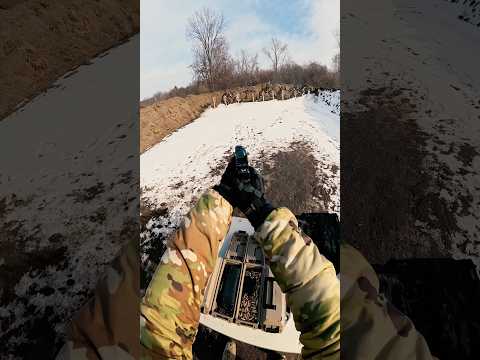
This video demonstrates advanced handgun shooting techniques for USPSA competition, specifically addressing the challenge of extreme sun glare. The shooter, Alyssa Seymour, highlights how stage briefs may not always cover environmental factors like intense sun, requiring competitors to adapt their strategy on the fly. The footage showcases rapid target engagement and efficient magazine reloads under difficult visual conditions, underscoring the need for adaptability and proficient firearm manipulation in competitive shooting.
This comprehensive guide, drawing on the expertise of an experienced instructor, details seven key areas for improving handgun shooting performance. It covers essential techniques like grip, stance, trigger control, and sight management, alongside crucial maintenance and upgrade considerations. The advice emphasizes practical application and reliability over theoretical performance, aiming for faster, cleaner, and more consistent shooting.
This video documents a shooter's 6th USPSA match, specifically focusing on a Carry Optics stage using a CZ Shadow 2. The shooter reviews their performance, seeking feedback on areas for improvement after completing the stage in 2 minutes and 22 seconds. The visual evidence highlights the stage setup with various targets and barricades, along with spent casings and debris, indicating the dynamic nature of the competition.
This guide, based on insights from TheYankeeMarshal, focuses on the most common handgun shooting mistake: anticipating recoil. It emphasizes overcoming the natural fear of loud noises and explosions through consistent dry fire practice to build muscle memory for trigger control and sight alignment. The instruction highlights how this anticipation leads to flinching and inaccurate shots, offering a path to improvement by focusing on fundamental shooting techniques.
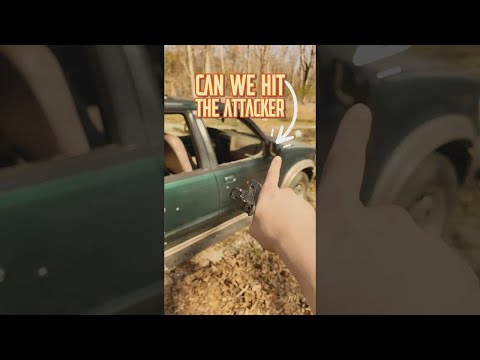
This video demonstrates a self-defense scenario within a vehicle, focusing on the ability to effectively engage a threat from the back seat by shooting through the front seat. An experienced instructor tests the penetration capabilities of a firearm, confirming it can damage a car's side mirror after passing through the seat. The content also touches upon discreet firearm carry methods using a cross-body bag.
This video from Colion Noir critically examines the public's perception of defensive shooting, contrasting Hollywood's dramatic portrayals with the realities of high-stress encounters. Noir, drawing on his experience and referencing experts like Army Sniper Nicholas Irving, explains how adrenaline impacts fine motor skills and perception, leading to potential miscounts of shots fired. The content emphasizes the importance of realistic training, such as that offered by USCCA, to prepare individuals for the complexities of self-defense situations.
The speaker, demonstrating significant firearm proficiency and ownership, expresses an unyielding passion for shooting. They dismiss the notion of ever tiring of the activity, framing it as an integral part of living in the best country and doing the best thing. The video showcases a casual yet experienced approach to firearms.
This guide, led by Chief Instructor Ernie Medina of Tap Rack Bang, LLC, focuses on maximizing range training through dynamic drills. It emphasizes varying target distances and angles, implementing 'throttle control' for effective fire rate adjustment, and practicing under pressure with elements like unplanned reloads. The instruction highlights the benefits of outdoor ranges for realistic self-defense and tactical skill development.
This guide, drawing on insights from Joel Park, a high-authority firearms instructor, focuses on improving handgun shooting performance, particularly with polymer-framed pistols like the Walther PDP Polymer Match. It emphasizes proper grip technique, recoil management through dry-fire, and the benefits of enhanced grip textures. The advice is geared towards intermediate shooters looking to refine their skills in competitive or practical shooting scenarios.
Gun Laws by State
Read firearms regulations for all 50 states + D.C.
Find Gun Dealers
Search licensed FFL dealers near you.