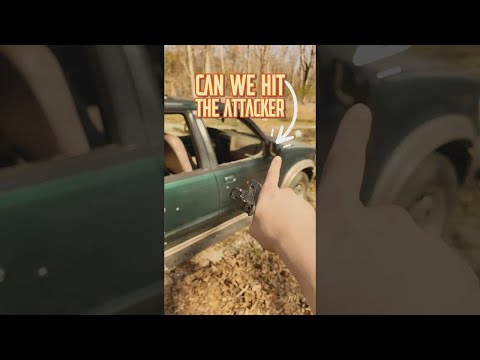
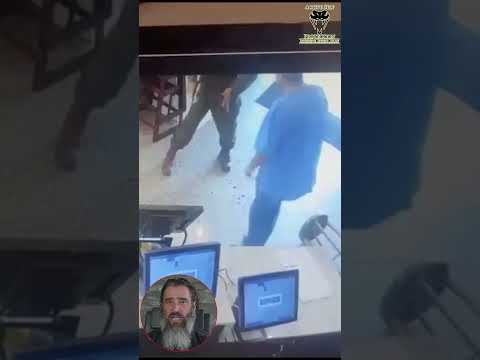
Is 4 Shots “Overkill”? Let’s Be Honest.

Published on February 13, 2026
Duration: 7:14

This video from Colion Noir critically examines the public's perception of defensive shooting, contrasting Hollywood's dramatic portrayals with the realities of high-stress encounters. Noir, drawing on his experience and referencing experts like Army Sniper Nicholas Irving, explains how adrenaline impacts fine motor skills and perception, leading to potential miscounts of shots fired. The content emphasizes the importance of realistic training, such as that offered by USCCA, to prepare individuals for the complexities of self-defense situations.

Quick Summary

Colion Noir explains that high-stress defensive shootings involve adrenaline, which degrades fine motor skills and distorts perception, causing miscounts of shots fired. Unlike Hollywood, real encounters often require multiple hits ('timers') to incapacitate a threat, as immediate neurological stops ('switches') are rare. Realistic training is vital.

Chapters

  1. 00:00Hollywood vs. Reality
  2. 00:27Nicholas Irving on Shot Count
  3. 01:34Stress and Perception
  4. 03:05Timers vs. Switches
  5. 04:24The Reality of Defensive Shooting
  6. 05:20Importance of Training and USCCA

Frequently Asked Questions

What is the difference between 'timers' and 'switches' in defensive shooting?

'Timers' refer to physiological incapacitation, like blood loss, that eventually stops a threat. 'Switches' are immediate neurological incapacitation, such as a brain stem hit, that instantly halts all action. Understanding this helps explain why multiple shots are often needed.

Why do people miscount shots fired in a self-defense situation?

High-stress situations trigger adrenaline, which significantly degrades fine motor skills and distorts perception of time and events. This can lead to a shooter believing they fired fewer rounds than they actually did, as demonstrated in a USCCA training scenario.

How does Hollywood influence public perception of defensive shootings?

Movies often portray unrealistic scenarios where a single shot dramatically stops a threat. This creates a false sense of knowledge, leading the public to believe defensive encounters are less complex and require fewer rounds than in reality.

What is the recommended approach to preparing for defensive shooting encounters?

Realistic, scenario-based training is crucial. Organizations like USCCA provide training that simulates high-stress environments, helping individuals manage adrenaline's effects and understand the complexities of actual defensive encounters beyond movie tropes.

More Tactical & Gear Videos You Might Like

More from Colion Noir

View all →