This video details the 'Rifle Now Drill,' a demanding shooting exercise requiring shooters to fire 30 rounds from a rifle (one in the chamber, 29 in the magazine) within 13 seconds, followed by a reload and one additional shot. All 31 rounds must impact a specific target area. The drill emphasizes speed, accuracy, and efficient magazine management under pressure, with a focus on maintaining tight shot groups at a close distance.
This drill focuses on the critical skill of transitioning from a rifle to a pistol under time pressure. The instruction emphasizes breaking hands apart, managing the rifle with the support hand while the firing hand moves to the pistol, and achieving smooth, controlled movements. The goal is to execute the transition efficiently, ensuring both shots are hits within a tight time limit, highlighting the importance of muscle memory and deliberate practice.
This video demonstrates a pistol presentation drill focused on drawing and firing a single accurate shot from the holster under time pressure. The instructor emphasizes the critical importance of establishing a master grip on the firearm immediately upon drawing, as the first shot is often the most difficult to make accurately due to haste. The drill is designed to test the shooter's ability to perform this fundamental skill under stress.
This video demonstrates the Special Forces Check Drill, a critical training exercise for maintaining offensive capability when a rifle runs dry. It involves firing two rounds, transitioning to a pistol for one shot, assessing the rifle, and then performing a tactical reload to continue engaging the target. The drill emphasizes speed and efficiency in weapon manipulation under stress.
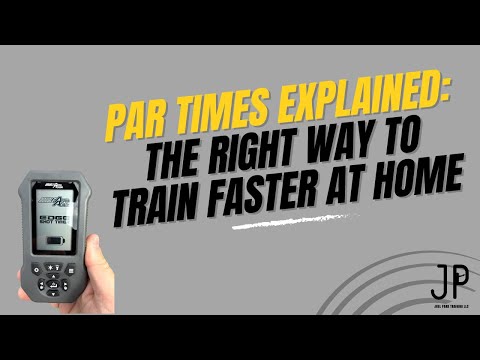
This video explains how to effectively use par times in dry fire training to build speed and efficiency. The instructor demonstrates finding an optimal par time by incrementally reducing the duration for a multi-target engagement sequence. The key is to find a time that creates a sense of urgency without sacrificing accuracy or ingraining bad habits, emphasizing honesty in self-assessment.
This video demonstrates the "hammered pairs" drill, a tactical training exercise focused on rapid, accurate fire. The drill involves firing two shots in quick succession, with a slight adjustment to the point of aim for each pair. The emphasis is on delivering effective damage to the target anatomy while maintaining speed, highlighting the importance of understanding "height over bore" for accurate shot placement at varying distances.
This video analyzes an active shooter incident in Austin, Texas, highlighting the rapid response of Austin PD. It emphasizes the importance of firearm proficiency for both law enforcement and private citizens, detailing tactical considerations during the engagement. Key takeaways include the challenges of sound localization in urban environments, the effectiveness of a quick reaction force, and the necessity of proper firearm handling and tactical positioning.
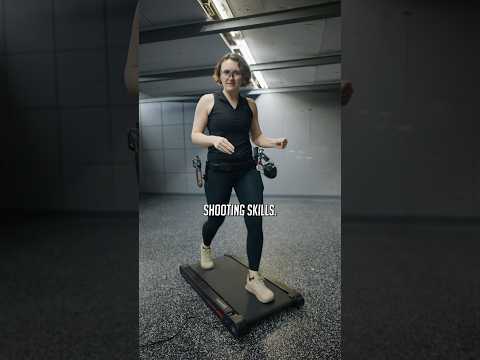
This video explores the effectiveness of using a treadmill for dry-fire training to improve shooting on the move. Instructor Lena Miculek demonstrates how 20 minutes of consistent motion on a treadmill can increase awareness of footwork, sight bounce, and trigger timing, leading to measurable improvements in accuracy and speed on a subsequent shooting drill. The technique emphasizes developing a feel for body mechanics during movement.
This video explains how to overcome cross-dominance in shooting, a condition where your dominant hand and eye are on opposite sides. It advises against bringing your head to the optic, instead recommending either turning your head to the optic (a temporary crutch) or, preferably, bringing the optic to your dominant eye. This latter method is more efficient as it involves aligning a moving object (firearm) with a stationary reference (dominant eye), reducing overall motion and increasing proficiency, especially with handguns.
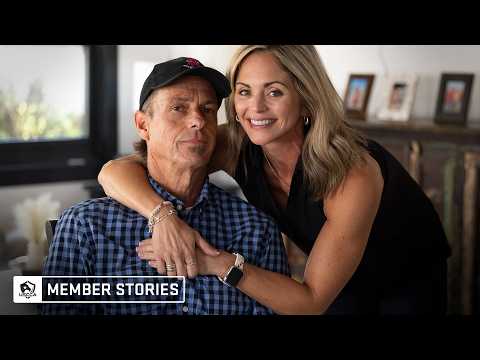
This video details a harrowing self-defense incident where a USCCA member, Lindsay Duncan, was forced to engage in a shootout to protect his wife, Molly, from assailants. The narrative highlights the importance of situational awareness, firearm proficiency, and the legal protections offered by organizations like the USCCA following a defensive shooting. It underscores the psychological impact of such events and the subsequent journey toward healing and finding purpose.
This video outlines five common mistakes made by new concealed carriers and provides actionable advice to avoid them. Key takeaways include the critical importance of using a safe holster that covers the trigger guard, focusing on practical skills over firearm 'bells and whistles,' developing hand-to-hand combat abilities, and carrying supplementary tools like pepper spray and a trauma kit. The speaker emphasizes that consistent training is paramount for effective self-protection.
This video offers a comprehensive approach to improving shooting skills, emphasizing a long-term, varied training strategy over specific round counts or arbitrary goals. The instructor, drawing from personal experience, advocates for consistent practice, aggressive information seeking, and a balanced development of multiple shooting disciplines. Key takeaways include the importance of observing performance, targeted dry-fire practice, and the value of professional instruction for breaking through plateaus.
Gun Laws by State
Read firearms regulations for all 50 states + D.C.
Find Gun Dealers
Search licensed FFL dealers near you.