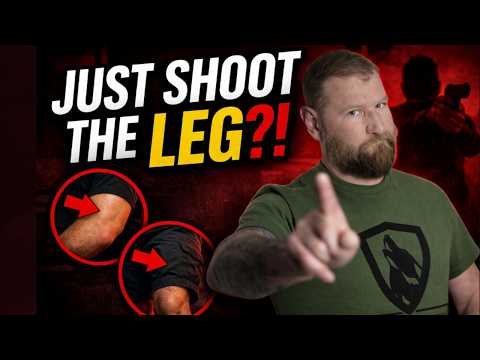
This video from Geauga Firearms Academy debunks the myth of shooting specific body parts like the hand or leg to stop a threat. Instructor Kim explains that the primary goal of using deadly force is to stop the threat, not to kill. He emphasizes that under extreme stress, aiming for small targets like hands or legs is ineffective due to reduced accuracy and the presence of vital arteries in those areas. The instruction highlights that center mass is the recommended target area because it's the largest and most accessible under duress, a principle used by law enforcement and military. The video also stresses the importance of de-escalation and using alternative, less-lethal methods if available before resorting to deadly force.
This analysis from Active Self Protection breaks down three real-world confrontations, offering insights into de-escalation, the use of force, and legal considerations. Instructors John Korea and Neil Widner emphasize recognizing pre-assault indicators, the effectiveness of less-lethal options like OC spray, and the critical importance of acting decisively and legally when faced with threats. The video highlights the severe consequences of escalating situations, particularly road rage, and the legal scrutiny surrounding the use of lethal force.
This video from Warrior Poet Society analyzes the critical importance of rapid police response in an active shooter event in Austin, TX. The speaker, an expert in tactical analysis, highlights how a one-minute response time by officers already 'on the X' likely prevented mass casualties. The discussion emphasizes that even brief delays can drastically increase fatalities, especially in close-range rifle engagements.
The speaker reflects on the justification of lethal force, particularly in the context of home defense. While initially hesitant to equate property with life, the speaker concedes that an intruder entering a home where a family sleeps warrants a different consideration and potential for lethal force.
This video, presented by The Yankee Marshal, addresses the complex legal and ethical considerations surrounding the use of deadly force, particularly in response to property crimes. The speaker, an experienced firearms instructor, clarifies that while defending one's home against an intruder is supported, using lethal force solely for the protection of property is not condoned. He emphasizes the crucial distinction between threats to property and threats to life, advocating for a reasonable assessment of danger in self-defense scenarios.
This video provides a critical analysis of the Alex Pretti incident in Minnesota, focusing on legal interpretations of self-defense and use-of-force standards. Colion Noir, a recognized legal commentator and firearms advocate, breaks down the event, emphasizing the legal right to carry firearms during protests under Minnesota law and dissecting the application of Fourth Amendment standards in use-of-force scenarios. The analysis highlights the distinction between legality and prudence in carrying firearms in volatile situations.
This video discusses the controversial topic of carrying a gun and its relationship to lethal force, framing it as a debate rather than a justification for violence. It appears to be a reaction piece to existing content or an event, exploring the nuances of self-defense laws and responsible gun ownership. The title suggests a critical examination of how gun carriage is perceived and its implications in violent situations.
This video features an authoritative instructor, Shortshot Tony, debunking the concept of warning shots in self-defense scenarios. He emphasizes that discharging a firearm should only occur when facing an imminent threat requiring lethal force. Firing a warning shot can negate the immediacy of the threat, potentially making the shooter the legal aggressor and leading to severe legal consequences. The video also briefly showcases a Glock-style handgun with a Holosun sight and a weapon-mounted light, alongside the Mossberg 940 Pro shotgun.
This video from Predator Armor emphasizes that self-defense is legally and tactically complex. It stresses the critical importance of understanding state-specific laws, as actions perceived as justified can lead to severe legal consequences, including imprisonment and civil lawsuits. The instruction shifts the defensive mindset from 'shoot to kill' to 'stop the threat' and highlights the necessity of maintaining situational awareness to avoid legal pitfalls like shooting a fleeing suspect.
This video from Washington Gun Law TV, hosted by William Kirk, analyzes a road rage incident escalating to a carjacking attempt, discussing the legal justification for lethal force. It breaks down the conditions under which self-defense laws, including the use of lethal force, apply in such volatile situations, emphasizing imminent threats and felony offenses.
Colion Noir critically analyzes the dangerous TikTok 'door kick challenge,' highlighting its severe real-world consequences. He emphasizes that simulating a home invasion is not a harmless prank but a potentially lethal act, as homeowners are justified in using self-defense. The video serves as a stark warning to teens and parents about the irreversible outcomes of such reckless behavior in a gun-owning society.
This video from Active Self Protection analyzes a Phoenix PD response to a hatchet-wielding suspect at an IHOP. It details the deployment of a 40mm less-lethal launcher and subsequent lethal force engagement with a patrol carbine. The analysis highlights the importance of understanding distance perception with bodycams and the limitations of less-lethal options against determined threats.
Gun Laws by State
Read firearms regulations for all 50 states + D.C.
Find Gun Dealers
Search licensed FFL dealers near you.