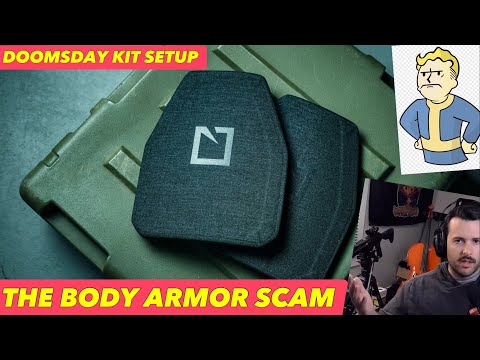
This video provides an in-depth comparison between chest rigs and plate carriers, emphasizing that the choice depends heavily on the intended mission and operational environment. The speakers, with military backgrounds, argue that while body armor offers ballistic protection, its weight and bulk significantly hinder maneuverability, making chest rigs more practical for many preparedness and tactical scenarios. They also discuss the limitations and potential compromises of various armor types, including special threat and Level IIIA plates, and advise prioritizing training and understanding personal needs over simply adopting popular gear trends.
This video demonstrates a discreet carry solution for airguns using a non-tactical looking bag. It highlights how to quickly access the airgun from the bag in a self-defense scenario and mentions the integration of Level IIIA armor panels for added protection.
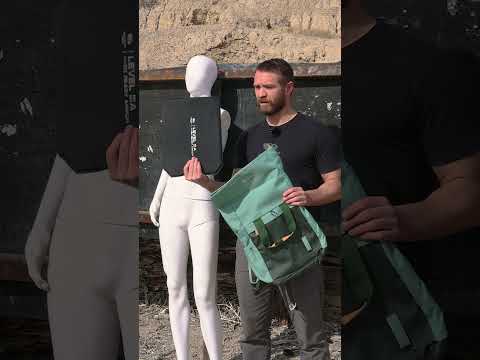
This video demonstrates how to convert a standard backpack into a bulletproof one by installing a Level IIIA armor panel. The panel is shown to be flexible, lightweight, and designed to fit into common backpack compartments like laptop sleeves. The demonstration includes placing the panel into a backpack before a simulated ballistic test.
This video breaks down the National Institute of Justice (NIJ) body armor standards into five levels based on ballistic performance. It explains that as performance increases, so does the level. The instructor notes that Level IIA and Level II are handgun-rated but less common due to advancements in materials, with most consumers and companies opting for Level IIIA and above.
This video debunks common misconceptions about NIJ body armor certification, explaining that while NIJ sets standards, certification doesn't guarantee ongoing quality. The speaker emphasizes that NIJ does not certify ballistic helmets and highlights the limitations of the certification process, including the potential for manufacturers to deviate from original standards and the issues with fit tests. The video suggests that extensive independent YouTube testing may offer a more reliable indicator of armor quality and consistency over time than NIJ certification alone.
This video explores the fundamental question of why layers are important in soft body armor. It aims to educate viewers on the construction and effectiveness of different types of ballistic protection. The description highlights Predator Armor's commitment to providing high-quality, "Made in the USA" gear for military, first responders, and outdoor enthusiasts, with links to specific products like Level IIIA soft armor plates and backpack armor.
This video provides an expert-level assessment of bulletproof backpacks and armor plates, featuring demonstrations by Scott from Kentucky Ballistics. The testing covers Level IIIA and Level III armor ratings against a variety of threats, from common handgun rounds to powerful rifle calibers and even extreme 4-bore projectiles. The analysis highlights the effectiveness of the armor while also emphasizing the critical concept of backface deformation and its potential to cause severe internal injuries, even when the projectile is stopped.
This video focuses on the Tacticon Backpack Armor Plate, highlighting its Level III (SRT) Rifle and Level IIIA Pistol rating. The creator provides links to purchase the armor, including a discount code '704tactical' for Guard Dog Armor, and other related products. Additional links are provided for the creator's social media, YouTube channels, and Patreon, with a disclaimer about affiliate links and items being sent for review.
This video debunks the myth that Level IV body armor is the only realistic option. It emphasizes that the 'end purpose' and 'perceived threats' should dictate armor selection, not a blanket assumption of needing the highest rating. Different levels offer trade-offs in weight, cost, and concealability, making lower levels suitable for specific civilian needs.
This review tests the RTS Tactical Bulletproof Memory Foam Pillow, evaluating its ballistic resistance against various handgun and shotgun rounds. The pillow integrates a 20x30 inch armor panel, offering a discreet form of personal protection. The testing demonstrates its effectiveness against common handgun calibers and buckshot, while also pushing its limits with higher-powered rounds.
This video showcases the Concealable Plate Carrier from Predator Armor, emphasizing its lightweight and low-profile design for extreme low visibility. It's designed for comfort and concealment under various clothing types and is compatible with Level IIIA Soft Armor or any standard 10"x12" plate. The carrier is constructed from a breathable nylon and spandex blend for a flexible fit, featuring adjustable cummerbund and shoulder straps.
This video tests the RTS Tactical Bulletproof Pillow, a product combining a memory foam pillow with a ballistic armor plate. The review details the pillow's construction, its two available armor levels (IIIA and IIIA+), and demonstrates its effectiveness against 9mm handgun rounds, 12-gauge buckshot, and 12-gauge slugs. The testing confirms the pillow's ability to stop these threats without penetration.
Gun Laws by State
Read firearms regulations for all 50 states + D.C.
Find Gun Dealers
Search licensed FFL dealers near you.