
Videos tagged with Metal Finishing


This video demonstrates a practical gunsmithing technique using readily available sanding paper kits. The instructor highlights the utility of open-coat sandpaper for both metal and wood finishing, explaining how its design aids in clearing debris and maintaining lubrication. The guide covers selecting grits, preparing surfaces, and achieving smooth finishes on various components.


This YouTube video, "How To Polish Steel: Part 7 | Simichrome Polish (Final Step!)", is the concluding installment in a series focused on polishing steel using Simichrome. The title and description, which include the hashtags #diy and #howto, indicate a practical, instructional video for viewers interested in metal finishing techniques. While no specific firearms are mentioned, the application of polishing techniques often extends to firearm components for aesthetic or functional improvements. The video is likely to appeal to gunsmiths, hobbyists, and those looking to enhance the appearance and finish of their metal items.
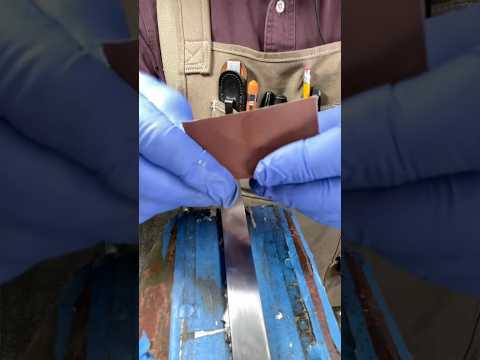
This video demonstrates the final stages of polishing steel, focusing on the use of 1200 grit paper followed by crocus cloth. The instructor emphasizes the importance of lubricant with the grit paper and its absence with crocus cloth, describing the latter as a burnishing process to enhance shine without material removal. The total polishing time for the demonstrated piece of steel is estimated to be around six to eight minutes.

This video demonstrates the process of polishing steel using 800 and 1,000-grit wet and dry sandpaper. It emphasizes the importance of lubrication and observing 'swarf' as an indicator of material removal. The technique is applicable to various metal types and aims to achieve a mirror-like finish, a crucial step in firearm refinishing or custom work.

This video demonstrates a step-by-step process for polishing steel using progressively finer grits of wet or dry sandpaper, specifically moving from 400-grit to 600-grit. The instructor emphasizes consistent pressure and the use of a flat sanding tool to achieve an even finish. The technique shown is directly applicable to achieving professional-grade metal finishes on firearms, mirroring methods used by restoration specialists.

This guide details the process of polishing steel using 320-grit wet and dry sandpaper, following a previous 220-grit step. The instructor emphasizes using a light oil or lubricant to prevent rust and explains how to feel for surface imperfections as they are smoothed out. The importance of using fresh sandpaper as grit wears down is also highlighted, with the goal of achieving a noticeable reflection on the metal surface.
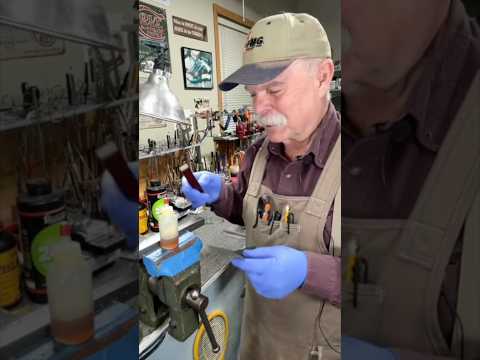
This guide details the process of polishing steel using 220 grit wet/dry sandpaper, a crucial step in firearm finishing. The instructor emphasizes the importance of using a flat backing block to achieve a smooth, wave-free surface and lubricating the process to keep the sandpaper clear. Following these steps helps remove imperfections like file and milling marks, leading to a significantly improved finish.
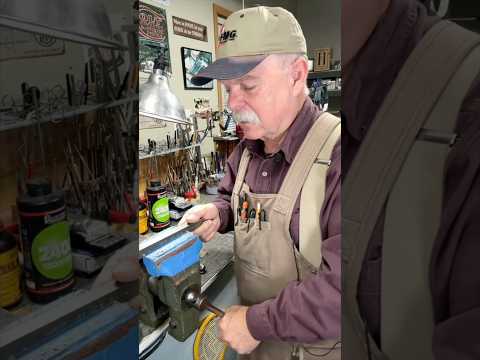
This video demonstrates the draw filing technique for preparing steel surfaces, a crucial step before cold bluing. The instructor emphasizes that draw filing involves drawing the file towards you, not drawing with it, to flatten uneven surfaces and remove imperfections. This method is presented as an alternative to buffing wheels, which can sometimes cause more problems. The process begins with a rough steel piece and progresses towards a smooth, flat surface ready for finer grit sandpaper.

