This video provides an expert-level comparison of two .50 BMG ammunition types: the M20 APIT and the Swiss Silver Penetrator. The host, demonstrating high expertise in ballistic testing, uses a Desert Tech HTI rifle and a chronograph to measure penetration against various steel plates. The Swiss Silver Penetrator, with its tool steel core, shows superior performance against hardened materials and thicker mild steel compared to the M20 APIT.
This video features a comparison of the effectiveness of 5.56mm ammunition against mild steel. The demonstration utilizes an HK SL8 rifle equipped with a Triton LPVO scope. The focus is on the ballistic performance of the 5.56mm round when impacting a steel target.
This video demonstrates the dangerous consequences of shooting mild steel targets with standard rifle ammunition. The instructor emphasizes that rounds did not penetrate but instead created significant craters, highlighting a critical safety concern. Viewers are strongly advised against replicating this experiment due to the potential for ricochets and unpredictable projectile behavior.
This video tests the penetration capabilities of 300 Winchester Magnum ammunition against various steel targets. The presenter, demonstrating expertise in firearms and ballistics, aims to debunk claims of a 300 Win Mag round penetrating a 1/2 inch AR550 steel target. The tests reveal that standard Federal Fusion rounds do not penetrate the AR550, while a faster 150-grain Federal Power-Shock round does cause a pass-through on AR500 steel, highlighting the importance of steel quality and specifications.
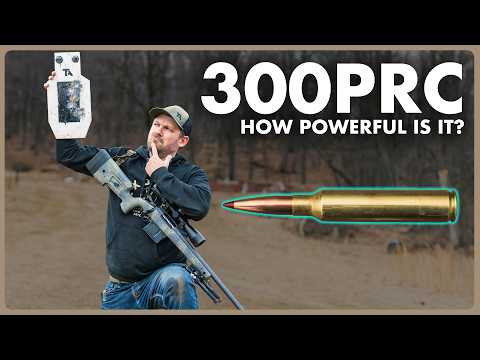
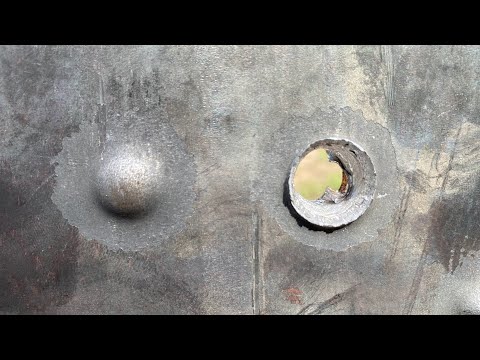
This video details a rigorous test comparing the impact of 300 PRC ammunition on various steel target plates, including mild steel, AR500, and AR550. The experiment aims to debunk claims about 300 Win Mag damage and demonstrate the resilience of quality steel targets. The instructor emphasizes safety and the importance of using appropriate steel for different calibers and ammunition types.
This video compares the steel penetration capabilities of 5.56x45mm M193 and 7.62x51mm M80 ammunition. While both calibers penetrated 1/4" and 3/8" mild steel, neither fully penetrated 1/2" mild steel with standard FMJ rounds. The M855A1 round, however, cleanly penetrated the 1/2" steel, demonstrating superior performance. The test highlights velocity's significant role in steel penetration, with 5.56 achieving 84% of 7.62's impact depth on 1/2" steel despite lower kinetic energy.
This video compares the performance of 14 different 6.5 Creedmoor bullet types and weights when impacting mild steel at 50 yards. The test utilizes A529 Grade 55 mild steel and highlights how bullet construction significantly influences terminal ballistics. The ammunition features new, heavily blemished brass and pulled projectiles, some of which are typically only found in factory loads. The creators emphasize that these tests are for entertainment and educational purposes only and strongly advise viewers not to replicate them due to the inherent dangers of shooting steel.
This YouTube video compares the steel penetration capabilities of two popular rifle calibers: .223 Remington and .22-250 Remington. The testing focuses on mild steel (A529 grade 55) at a distance of 50 yards, aiming to determine if sheer velocity is the sole determinant of penetration power. The description also notes the inclusion of an affiliate link for a brass catcher and emphasizes that the tests are for entertainment and educational purposes, with a warning about the dangers of shooting steel.
This guide details a steel penetration test comparing 6.5 Creedmoor and .308 Winchester cartridges. The test, conducted by a ballistics enthusiast, involved firing both calibers at various thicknesses of mild steel plates. Results indicate that .308 Winchester, with its higher kinetic energy, achieved deeper penetration into a 1/2-inch steel plate than the 6.5 Creedmoor.
This video provides a comprehensive guide to setting up the TA Targets Arachnid Base. It details the unboxing process, component identification, and a step-by-step assembly procedure, emphasizing the use of clevis and cotter pins for secure construction. The guide also covers how to properly install a post and attach target systems, highlighting the base's stability features and its design evolution from previous models.
This video showcases the "Legacy Fire Boxes" from TAT Targets, designed for outdoor relaxation during the fall and winter months. The description emphasizes the durable construction using 3/16" and 1/4" mild steel, which is thicker than most competitors. The fire boxes are designed for easy, tool-less assembly and disassembly for storage or transport, with interlocking sides and a bottom (on the Nomad model). They feature tasteful designs and half-circle cutouts for holding fire sticks. The company highlights their passion for family and creating long-lasting products, drawing a parallel to the concept of legacies. The video encourages viewers to visit their website for available designs and mentions upcoming seasonal and special occasion designs.
This video details a comprehensive test of homemade body armor constructed from mild steel and a rubber horse stall mat, demonstrating its effectiveness against various handgun rounds up to .45 ACP and 12 Gauge slugs, while highlighting its limitations against rifle calibers like 7.62x39mm. The expert-level demonstration, led by Matt Carriker, showcases safe firearm handling and a practical understanding of ballistic resistance.
You've reached the end! 12 videos loaded.
Gun Laws by State
Read firearms regulations for all 50 states + D.C.
Find Gun Dealers
Search licensed FFL dealers near you.