This video delves into the darker, more conspiratorial aspects of the music industry, exploring legends like Robert Johnson selling his soul for talent and claims of artists like John Lennon feeling 'possessed' during songwriting. It touches upon Lennon's assassination and motives, and extends these themes to modern artists such as Beyonce and Ariana Grande, suggesting a recurring narrative of external influence or demonic possession within popular music. The content is presented with a serious, investigative tone, drawing on historical anecdotes and alleged artist statements.
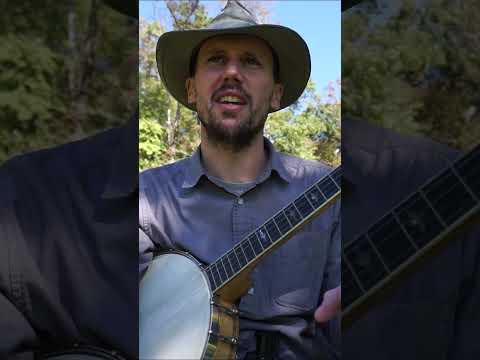
This YouTube video features Clifton Hicks performing "Danville Girl," a song originally recorded by Dock Boggs in 1927. The description emphasizes learning the song from Boggs' Brunswick Records performance and offers access to lyrics and banjo tablature through various platforms like Patreon, Banjo Heritage, and Bandcamp. It also highlights Hicks' banjo heritage online course and musical releases on Spotify and iTunes. The video aims to share this piece of musical history and connect with an audience interested in traditional banjo music.
This video delves into the historical origins and evolution of the song "Shaving a Dead Man," also known as "Shave a Dead N*****" and recently "Protect the Innocent." The creator discusses the practice of undertakers shaving deceased individuals, suggesting the song's roots in this practice, particularly within Black Southern communities as a banjo tune. The video highlights the problematic nature of the modern title "Protect the Innocent" and promotes various platforms for supporting the creator's banjo heritage work, including Patreon, Bandcamp, and other merchandise and streaming services.
This video showcases a "Marching Through Georgia" recording played on an antique Edison Wax Cylinder Phonograph. The content focuses on historical audio technology and its playback, with links provided for Patreon support, banjo heritage courses, merchandise, streaming music, and donations. The video does not feature firearms, ammunition, or related topics.
This video features Dave Mustaine recounting a humorous and chaotic concert experience with Megadeth playing for bikers. The narrative focuses on a stolen beer keg incident and the subsequent events, highlighting the band's ability to navigate unusual and potentially dangerous situations with a mix of wit and improvisation. The story is told with a nostalgic and entertaining tone.
This video explores the historical journey of the banjo, tracing its origins from West Africa and the Caribbean to its prominence in the 19th-century commercial music scene. It highlights a significant archaeological find from an 18th-century Maryland plantation and touches upon the current landscape of traditional banjo culture. The description also includes numerous links to support the creator, Clifton Hicks, through Patreon, merchandise, courses, and streaming services.
This video challenges the common understanding of the term "Clawhammer" as it relates to banjo playing. The creator argues that the term was not in use before the 1960s and was later popularized by academics and urban folk music enthusiasts from the Northeast. The description also includes numerous links to the creator's Patreon, website, merchandise, streaming platforms, and donation options, all focused on banjo music and heritage.
This YouTube video, titled 'Traditional Banjo Bridges EXPLAINED', features Clifton Hicks detailing the significance of traditional banjo bridges for optimal sound. The description emphasizes supporting Clifton Hicks through various platforms like Patreon, SubscribeStar, and PayPal, promoting his Banjo Heritage online course and merchandise. It also highlights his music available on Bandcamp, Spotify, and iTunes, and encourages YouTube channel memberships. The video's hashtags include #cliftonhicks, #banjoheritage, #banjo, #bluegrass, #americana, and #432hz.
This YouTube video centers on Clifton Hicks introducing the "The Harry Smith B-Sides" compilation album from Dust-to-Digital. The content highlights Americana, music history, blues, folk, and country music, with a specific focus on 78 RPM records and banjo heritage. The description provides extensive links to the creator's various platforms, including Patreon, website, Bandcamp, Spotify, iTunes, and donation channels, all related to his music and banjo-related online courses and merchandise.
This video appears to be a critique of Dust to Digital's facsimile release of Harry Smith's Anthology of American Folk Music. The uploader, Clifton Hicks, promotes their own "Banjo Heritage" brand through various platforms like Patreon, SubscribeStar, Bandcamp, and their website. They also mention their music is available on Spotify and iTunes, and accept donations via PayPal and Venmo. The video touches on themes of cultural heritage, traditional music, music history, and country music, with a specific focus on banjo music and a mention of 432hz tuning.
This video discusses the perceived commercialization and modern origins of old-time music, tracing its roots to the 1960s urban folk revival in New York City. The creator argues that elements like jam circles, judging panels, tablature, and workshops are modern constructs within the old-time music subculture. The video primarily focuses on music history and cultural commentary, with a significant amount of promotional content for the creator's music and merchandise.
This video features Clifton Hicks discussing the complexities and controversies surrounding "racist" folk songs, particularly within the context of contemporary old-time music. The description highlights a perceived lack of cultural literacy among enthusiasts of this genre. Hicks provides numerous links to his platforms for support, music, and merchandise, indicating a focus on his artistic and intellectual contributions.
Gun Laws by State
Read firearms regulations for all 50 states + D.C.
Find Gun Dealers
Search licensed FFL dealers near you.