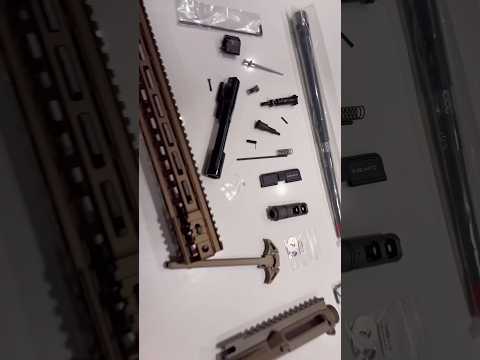
This guide details the installation of an SLR handguard and muzzle device onto a Faxon AR-10 upper receiver for an 8.6 Blackout build. The presenter, demonstrating experienced authority, highlights the quality of SLR components and the importance of proper fitment. Key steps include installing the barrel nut, muzzle device, and securing the handguard, emphasizing the anti-rotation tab for stability. The build aims for a balanced, lightweight rifle.
This video provides a comprehensive guide to upgrading a Smith & Wesson M&P10 rifle. It details the step-by-step process of replacing the stock, grip, trigger, buffer tube assembly, handguard, gas block, and muzzle device. The instructor also covers the installation of accessories like a bipod, charging handle, and iron sights, demonstrating advanced gunsmithing techniques for a large-frame AR platform.
This video provides a comprehensive guide to building a 16-inch LMT MARS-H rifle chambered in .308 Winchester, configured as a Designated Marksman Rifle (DMR). The build process covers lower receiver assembly, buffer system configuration specific to the MARS-H, upper receiver and barrel installation, muzzle device and suppressor mounting, and accessory integration. The instructor, Caleb from Brownells, details the parts and techniques required, emphasizing specific component choices and their rationale.
This guide provides expert instruction on preventing baffle strikes by ensuring proper suppressor alignment. It details the use of suppressor alignment rods with various firearms, including the KRISS Vector and AK platforms, emphasizing the importance of checking concentricity after installing muzzle devices and suppressors. The instruction highlights common pitfalls like misaligned barrels and the risks associated with multiple thread types.
This guide details the installation and maintenance of the Ridgeback Defense Rhino X 5.56 suppressor, based on insights from TX Gear Guy. It covers proper mounting with Comstock Armory devices, the use of Vibra-Tite Hot Lock threadlocker for security, and essential safety checks. The review highlights the suppressor's 3D printed Inconel construction and low back pressure design.
This guide details the construction of a high-performance Pistol Caliber Carbine (PCC) AR-15 utilizing CMMG's radial delayed blowback system. The build emphasizes using standard AR-15 components where possible, with specific attention to the unique barrel, bolt, and magazine requirements for this advanced operating system. The video demonstrates the installation of key components like the handguard, muzzle device, and accessories, highlighting how this system reduces recoil and reciprocating mass compared to traditional direct blowback PCCs.
This video provides a comprehensive, step-by-step guide to building a competition AR-15 rifle, starting from individual components. It covers the installation of lower receiver parts, including the trigger, hammer, and selector, followed by the assembly of the upper receiver, barrel, handguard, and gas system. The guide also details the mounting of an optic and accessories, emphasizing proper torque values and techniques for a reliable and accurate firearm suitable for competition.
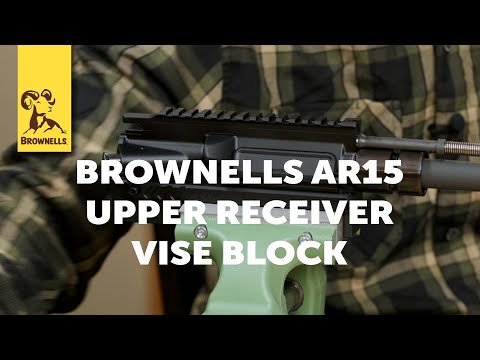
This video demonstrates the installation and use of the Brownells AR-15 Upper Receiver Vise Block. The block is designed to securely hold an AR-15 upper receiver in a vise for various gunsmithing tasks, such as installing muzzle devices or barrel nuts. It features a unique internal wing for added rigidity and support, reducing stress on the receiver's lugs.
This video explains the purpose and identification of pinned and welded muzzle devices. These are used to permanently attach a muzzle device to a barrel shorter than 16 inches, bringing the overall legal length to 16 inches or more, thus complying with ATF regulations. The process involves pinning a rod through the muzzle device and barrel, then welding it to create a permanent attachment.
This guide details the efficient assembly of an AR-15 upper receiver in under 60 seconds, as demonstrated by Vietac. It covers preparation, barrel and handguard installation, muzzle device timing, and BCG integration, utilizing specialized tools and professional techniques. The completed upper is then tested for function, both suppressed and unsuppressed, with a Vortex optic.
This review of the TommyBuilt T7 MP7 clone highlights significant quality control issues and customer service problems encountered during the initial ownership experience. The reviewer details issues with a loose end cap due to molding flash and a critical failure of the bolt release mechanism shortly after receiving the firearm. Furthermore, the review discusses extensive ammunition-related malfunctions, particularly with Hornady Black 4.6x30mm, and a lack of clear communication and support from the manufacturer.
This guide details the proper techniques for assembling AR-15 upper receivers, emphasizing the correct tool selection to prevent damage. Instructor Chad Albrecht of School of the American Rifle highlights the critical importance of using tools that engage both the upper receiver and barrel extension for barrel nut installation, and barrel-holding tools for muzzle device work. Improper tool usage can lead to catastrophic failures like sheared index pins and unthreaded barrel extensions.
Gun Laws by State
Read firearms regulations for all 50 states + D.C.
Find Gun Dealers
Search licensed FFL dealers near you.