Channel: @schooloftheamericanrifle
This video provides a cosmetic and functional overview of an H&R 606 (Colt 606 clone) rifle. The instructor highlights cosmetic differences in the Colt gray finish, a noticeable lip where the receiver extension meets the buttstock, and significant damage to the handguards, including gouges and cracks. Functionally, the rifle is working well, but a key technical concern is the mismatch between the M4 barrel extension and the rifle-style upper receiver, which can lead to feeding issues. The instructor plans to correct this by replacing the barrel extension with a rifle-style one.
This guide focuses on maximizing the learning experience in an AR-15 armorer's class. It emphasizes the importance of pre-class preparation, including practicing basic assembly/disassembly and becoming proficient with essential hand tools. The advice extends to active participation during the class, encouraging students to pay attention, maintain an open mind, and consider investing in quality tools. The goal is to enable students to focus on the technical instruction rather than struggling with fundamental tasks.
This video from School of the American Rifle addresses common negative feedback received on social media, specifically the phrase "I've never had that problem before." The instructor, with over 20 years of gunsmithing experience and having worked on over 30,000 AR-15s, emphasizes that sharing observed problems is not about 'ragebaiting' but about providing educational content based on real-world experience. He encourages an open mindset, highlighting that even if a viewer hasn't encountered a specific issue, it doesn't invalidate the information shared, drawing parallels to automotive maintenance. The content aims to distill complex issues into digestible lessons, with in-depth learning available through in-person classes which blend armorer and gunsmithing techniques.
This video details issues with VKTR Industries bolt carrier groups, specifically focusing on improperly staked or torqued carrier key screws. The instructor explains how to identify inferior screws by their rounded heads and lack of full-length serrations, which prevent proper staking. He emphasizes the importance of correct screw type and staking/torquing for AR-15 carrier keys to prevent failures.
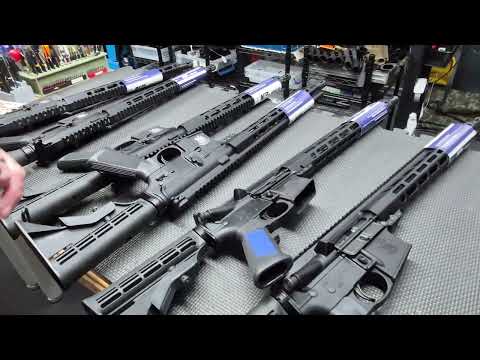
This comprehensive inspection of multiple Smith & Wesson M&P 15 Sport II rifles reveals a range of manufacturing and assembly issues. The video details checks for bolt lock, magazine release function, magazine well dimensions, selector engagement, forward assist operation, muzzle device alignment, receiver extension alignment, rail screw torque, takedown pin bores, gas block screw torque, barrel extension alignment, buffer spring length and compression, gas port alignment, headspace, trigger pull weight, castle nut torque, and carrier key alignment. Several firearms exhibited problems including sticky magazine releases, tight magazine wells, misaligned muzzle devices, clocked receiver extensions, undertorqued rail screws, loose gas block screws, short buffer springs, and loose castle nuts.
This video details the significant financial and logistical burdens of obtaining concealed carry permits across multiple states. The School of the American Rifle hosts explain their $12,804.63 expenditure for permits covering 46 states and D.C., highlighting the complex, state-specific requirements and the impact on Second Amendment rights. They discuss dropped permits due to changing laws and the challenges faced by non-residents.
This guide details the installation of an AR-15 buffer tube using the LAW Tactical Alignment Tool (LAT) in conjunction with a Geissele Reaction Block. Expert instruction from the School of the American Rifle demonstrates how to achieve perfect alignment of the receiver extension with the lower receiver, crucial for proper function and preventing common assembly errors. The process involves securing the components, torquing the castle nut to 38-42 foot-pounds, and ensuring a reliable build.
This expert guide from the School of the American Rifle details how to identify and address rough carrier key bores in AR-15 bolt carrier groups. The instructor, demonstrating expert knowledge, explains how these manufacturing defects, particularly on Colt components, can lead to premature wear on the gas tube and reduced reliability. Solutions involve replacing the defective carrier key to ensure smooth operation and longevity of the firearm.
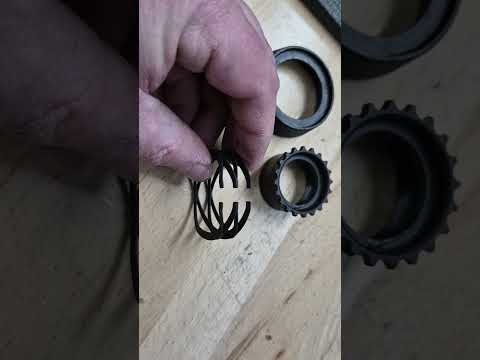
This expert guide from School of the American Rifle details how to identify and replace a malformed weld spring in an AR-15's delta ring assembly. A misaligned weld spring can cause gas tube issues, leading to potential component damage. The video provides a clear visual comparison and step-by-step instructions for replacement, emphasizing proper alignment for optimal function.
This guide details the process of staking AR-15 carrier key screws, a critical step for preventing loosening under operational stress. It covers historical staking methods, modern techniques like OCKS, and specific torque values for different generations. The instruction emphasizes the importance of proper staking for reliability, drawing on historical military technical manuals.
This guide details the use of the Obsidian Arms Bolt Assembly/Disassembly Tool for AR-15, AR-10, and SR-25 platforms. The tool features dual knockout holes, beneficial for stubborn or damaged roll pins, unlike single-hole designs. It includes a roll pin holder and punch. The video emphasizes using a stable wood bench block for striking and a flat-face punch for final pin seating to prevent damage. Instruction is provided by Chad Albrecht, a recognized expert in AR technical maintenance.
This guide details how to inspect an AR-15 Bolt Carrier Group (BCG) for critical defects, specifically peening marks on the carrier rails. Instruction from School of the American Rifle highlights how improper peening can lead to significant damage to the upper receiver. Proper inspection is crucial for ensuring BCG longevity and firearm safety.