This video explores the future of digital night vision, detailing the technical evolution from analog systems to advanced digital concepts. It highlights key challenges like sensitivity, latency, and dynamic range, proposing solutions such as multi-sensor arrays, high-refresh-rate displays, and IMU-based latency mitigation. The discussion extends to potential AI integration and the benefits of analog computing for future night vision devices, presented by an instructor with deep technical knowledge.
This YouTube video focuses on enhancing the "Night Vision M1 Pro" device by integrating virtual reality capabilities. While the title mentions "turbinar" (to turbocharge or enhance), the core concept revolves around technological upgrades and augmented experiences rather than traditional firearm modifications. The description is currently empty, so the analysis relies solely on the title.
This video provides an in-depth review and performance test of the ADNV G14SE digital night vision monocular. The presenter, with significant experience in night vision, compares it to traditional analog devices like the PVS14, highlighting its strengths in image clarity, low latency (100fps), and recording capabilities. It also covers its use in various shooting scenarios with different firearms and optics, offering insights into its effectiveness for passive aiming and general low-light navigation.
This video compares single-tube and dual-tube night vision devices, highlighting their respective advantages. Single-tube units like the PVS-14 offer cost-effectiveness and the ability to maintain one eye's natural light adaptation, crucial for reading ambient light conditions. Dual-tube systems, while significantly more expensive, provide enhanced depth perception and more seamless movement, leading to better coordination.
This YouTube Short addresses the affordability of night vision devices. While the title is a direct question, the content likely explores the cost of night vision technology, potentially comparing different models or brands. The '#shorts' tag indicates a brief, attention-grabbing format. The video aims to inform viewers interested in acquiring night vision for various applications, possibly including tactical use, hunting, or observation.
This video provides an expert comparison between analog and digital night vision devices, detailing their core technologies. Analog NVGs use intensifier tubes with phosphor screens (green or white), while digital NVGs employ sensors and internal projection screens. The speaker highlights that while digital technology is advancing, analog currently offers superior efficiency, though future hybrid systems are anticipated.
This video highlights a significant advantage of white phosphor night vision over thermal imaging: battery life. While thermal technology has improved, it continues to consume batteries considerably faster, especially in cold conditions. White phosphor night vision, exemplified by a PVS-14, can achieve up to 50 hours of continuous operation on a single AA battery, a stark contrast to the rapid depletion often experienced with thermal devices.
This video evaluates the DNT Optics Zulus HD 5-20, a budget-friendly digital night vision scope, comparing it to traditional analog night vision setups. The review highlights its capabilities in low-light conditions, including target acquisition at various distances and the effectiveness of its built-in laser rangefinder. While acknowledging limitations like digital lag and image graininess in very dark environments, the assessment concludes that the Zulus HD offers significant value for its price point, making night vision more accessible for budget-conscious users.
This video from Basement Operator Company delves into the lifespan of Night Vision Goggles (NVGs). While the primary focus is on NVGs, the description and associated links suggest a broader focus on firearms, tactical gear, and the lifestyle surrounding them. The channel promotes its website, Discord server, merchandise, and other social media platforms, indicating a community built around these interests. They also offer marketing content services.
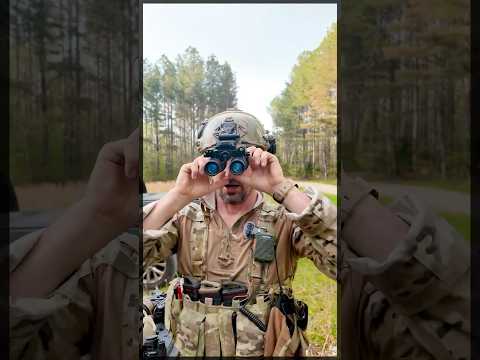
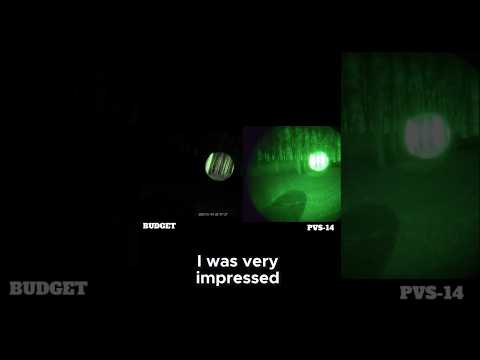
This video aims to determine if budget-friendly night vision devices can perform adequately and how they compare to professional-grade equipment like the PVS-14. The creator highlights a specific budget night vision product with a discount code and mentions supporting the channel through various platforms including their website, Rumble, Greyhive, Telegram, and Locals. The video also lists specific gear used, such as a wireless microphone and lighting, and emphasizes safety protocols with firearms being handled by trained professionals at a private range.
This video is a forthcoming buyer's guide for night vision equipment. As it is a pre-release announcement, the content details are minimal, but it promises to guide potential purchasers through the complexities of selecting night vision devices. The title and description indicate a focus on providing educational information to consumers interested in acquiring night vision technology.
Gun Laws by State
Read firearms regulations for all 50 states + D.C.
Find Gun Dealers
Search licensed FFL dealers near you.