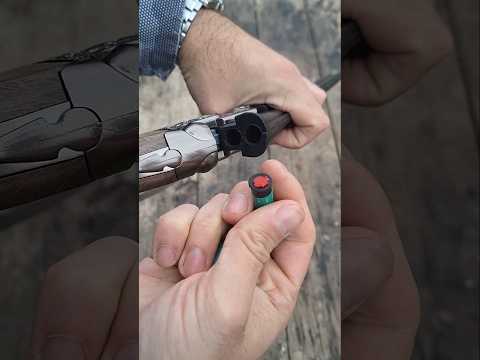
This video from Guns of the West addresses the interchangeability of CCI #11 and Remington #10 percussion caps for cap and ball revolvers. While both have the same interior diameter and fit standard nipples, the Remington #10 is slightly longer, providing better purchase and reducing the risk of caps backing off during recoil. The instructor advises vigilance when using CCI #11 caps, particularly on .44 caliber revolvers, to prevent chain fires.
This video demonstrates the process of loading and firing a Pietta Traveling 1858, a reproduction of the Remington New Model Army, using paper cartridges. The presenter, Dustin from Guns of the West, walks through the steps of preparing the cylinder, inserting cartridges, seating bullets, applying lube, and capping the nipples. He then provides shooting impressions at approximately 15 yards, noting the effectiveness of both curr bullets and round balls.
This video addresses the common challenge of capping Remington-style cap and ball revolvers due to their angled cylinder cuts. The presenter demonstrates how a specifically designed '12cap capper' with narrower arms can overcome this issue, contrasting it with the easier capping of Colt-style revolvers. The guide also covers capping smaller Remington pocket models.
This video addresses common questions about black powder revolvers, focusing on proper loading techniques, projectile and powder selection, and differences between various models. The instructor emphasizes the importance of sealing the chamber with a projectile or lube to maintain accuracy and explains the safety reasons for loading percussion caps last. He also discusses the nuances of choosing between Colt and Remington models and the quality control of Pietta versus Uberti replicas.
This video demonstrates the basic operation of Giza toy cap guns, specifically an Over-Under and a Side-by-Side model. It covers loading the toy caps into plastic shells, chambering them, simulating firing by pulling the trigger, and ejecting the spent shells. The reviewer, acting as a hobbyist, clearly shows the mechanical functions of these toy replicas.
This video demonstrates the operation of a Giza Hunting Rifle Cap Gun, a toy over-under shotgun. It covers the break-action mechanism, loading with plastic shells and caps, and firing, which produces smoke. The construction is primarily plastic with a realistic finish.
This guide details the loading and firing technique for the Pietta 1851 Pepperbox .36 Caliber black powder revolver. It covers the unique barrel-less design, proper black powder charging, projectile seating, priming with CCI No. 11 caps, and safe live-fire demonstration. The instruction emphasizes safe range practices and the single-action operation of this historical firearm replica.
This YouTube video focuses on a niche firearm maintenance topic: adjusting percussion caps to ensure a proper fit. While the description is brief, the title clearly indicates a practical, hands-on approach to a specific problem encountered by firearm enthusiasts, likely those involved in reloading or maintaining older firearms that utilize percussion ignition. The content will likely appeal to gunsmiths, hobbyists, and those interested in the historical or technical aspects of firearms.
This video, titled 'Are Percussion Caps Safe?', aims to address the safety aspects of percussion caps. While the description is currently unavailable, the title suggests a focus on the inherent risks, handling procedures, or potential dangers associated with these essential ignition components for certain firearms. The content likely delves into the physical properties of percussion caps, their storage, and their use in historical or muzzleloading firearms.
This guide details the loading and operational quirks of the Colt Paterson Revolver No.5, a Uberti reproduction. It covers the multi-step black powder loading process, the unique folding trigger mechanism, and common issues like cap jams, as explained with high authority.
This video showcases two Uberti reproductions of the Colt 1851 and 1861 Navy revolvers in .36 caliber. The presenter highlights their aesthetic appeal, comparing the octagonal barrel of the 1851 to the more streamlined 1861, which resembles the 1860 Army. Both are presented as excellent choices for a first cap-and-ball revolver, with the choice between them largely a matter of personal style.
This video provides a practical comparison of Remington #10 and CCI #11 percussion caps for cap and ball revolvers. The presenter demonstrates their function in a Uberti 1851 Navy .36 caliber revolver using standard black powder loads. Both cap types are shown to function reliably, preventing chain fires and allowing for consistent firing, though minor differences in fit and grip are noted.
Gun Laws by State
Read firearms regulations for all 50 states + D.C.
Find Gun Dealers
Search licensed FFL dealers near you.