This guide outlines essential gear for effective mobile dry fire training, emphasizing the importance of maintaining practice habits while traveling. Ben Stoeger, a recognized authority in practical shooting, demonstrates how to set up a productive dry fire session using scaled targets, a shot timer, dummy rounds for reload drills, and optional tech like the Mantis system. The focus is on minimal, portable equipment that enables consistent skill development regardless of location.
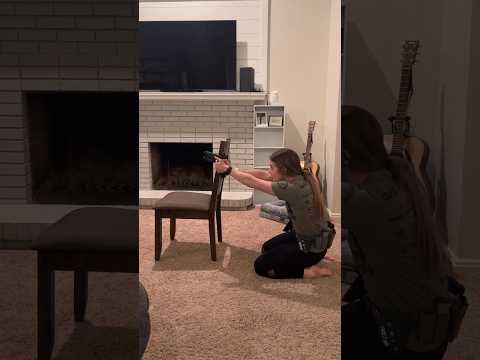
This video demonstrates a comprehensive dry fire drill designed to integrate physical stress with marksmanship. Instructor Alyssa Seymour, an experienced tactical fitness practitioner, guides viewers through a process of elevating heart rate via burpees while wearing a weighted vest, followed by immediate engagement from behind cover using both a pistol and an AR-15 rifle. The drill emphasizes proper barricade utilization, controlled transitions, and maintaining accuracy under simulated combat conditions.
This comprehensive guide synthesizes Frank Proctor's expert instruction from 'Way Of The Gun' lessons, covering essential pistol and rifle techniques. It details advanced methods for dry fire, shooting positions, reloads, low-light setups, stance, grip, transitions, bracing, and aimed fire. Proctor, a Special Forces veteran, emphasizes efficient weapon handling and the 'Way of the Gun' philosophy for superior performance.
You've reached the end! 3 videos loaded.
Gun Laws by State
Read firearms regulations for all 50 states + D.C.
Find Gun Dealers
Search licensed FFL dealers near you.