This video from Active Self Protection, featuring John Correia and Neil Weidner, analyzes a carjacking incident where an off-duty officer successfully defended himself. It highlights the importance of situational awareness in transitional spaces, the 'visually quiet draw' technique, and the challenges of shooting from within a vehicle, including windshield deflection. The analysis also covers post-incident procedures using the TAPIF checklist.
This video analyzes a self-defense scenario where an individual intervenes in an altercation at a pizza shop. It highlights the importance of drawing a concealed firearm, utilizing cover, and assessing threats. The analysis emphasizes the decision-making process for engaging a threat, particularly when a weapon is produced, and outlines critical post-incident actions.
This analysis breaks down a self-defense incident where a Texas vape store clerk successfully defended against armed robbers. The clerk demonstrated exceptional reaction time, drawing his firearm in approximately 0.5 seconds and executing tactical movement. The video emphasizes the importance of preparedness, rapid threat assessment, and proper post-incident procedures (TAP-IFS). Instruction is provided by John Correia of Active Self Protection, known for his analytical approach to defensive encounters.
This guide, presented by an expert from USCCA, outlines critical steps for individuals involved in a self-defense incident. It emphasizes following police instructions, asserting the right to remain silent, and requesting an attorney. The expert highlights that even if justified, a firearm will be confiscated as evidence and the legal aftermath can be lengthy. Preparation for these events is crucial for surviving both the incident and its legal consequences.
This video from Active Self Protection, hosted by John Correia, analyzes a violent cell phone store robbery in Newcastle, South Africa. Correia, demonstrating high expertise, breaks down the tactical situation, highlighting the 'initiative deficit' faced by defenders and identifying a missed 'counter-ambush' opportunity. The analysis emphasizes the importance of being armed and trained to potentially end threats early, while also stressing crucial post-incident procedures like immediate lockdown and contacting emergency services.
This video from Active Self Protection analyzes a self-defense incident where a defender, Diego, used a firearm against two aggressive dogs in Riverbank, California. Instructor John Correia, an evidence-based defensive trainer, breaks down the event, emphasizing consistent firearm carry, situational awareness, and the appropriate use of force. The analysis includes tactical movement and introduces the TAP-IFS framework for post-incident actions.
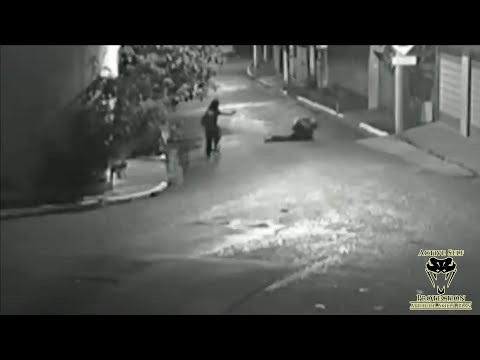
This video details a self-defense incident involving an off-duty officer in Brazil, highlighting the critical importance of situational awareness and rapid response. Instructor John Correia, an evidence-based defensive trainer, breaks down the officer's impressive 1.2-second draw time and tactical movement. The analysis also introduces the 'TAP IFS' acronym for crucial post-incident procedures, emphasizing immediate threat assessment, self-care, and contacting authorities.
This guide details a self-defense scenario where a clerk successfully defended against an armed robber. It emphasizes waiting for a tactical 'go signal' and a 'counter-ambush' opportunity before drawing and firing. The guide also covers crucial post-incident procedures, including holstering the weapon and rendering the attacker's firearm safe, highlighting the importance of controlled reaction and adherence to safety protocols.
This analysis from Active Self Protection, featuring John Correia and Mike Willver, breaks down a critical incident involving an officer shooting a fleeing armed suspect. It covers tactical considerations like the use of high-candela lights, legal aspects of verbal warnings, and crucial post-incident procedures for officers. The instruction emphasizes careful articulation of perceived threats and potential jury perception.
This guide details critical self-defense techniques observed in a real-world incident, emphasizing the importance of the defender acting as the primary agent in their own rescue. It covers counter-ambush timing, effective incapacitation through rapid fire, understanding cover versus concealment, and a structured post-fight procedure (TAP IFS) for safety and follow-up. Instruction is provided with high authority, drawing on tactical terminology and detailed analysis.
This analysis breaks down an officer-involved shooting incident in Long Beach, California, as presented by Active Self Protection. It covers the critical elements of the confrontation, emphasizing the importance of officer mental preparation, the tactical advantages of Pistol Mounted Lights (PMLs), and the analysis of suspect actions like 'furtive gestures.' The breakdown highlights the necessity of rapid response due to human reaction times and reviews post-incident procedures.
This video features John Correia and attorney Mark discussing the legal ramifications of detaining a suspect after a self-defense incident. They emphasize that while citizen's arrests are legally recognized, they come with significant obligations and potential liabilities. The discussion highlights the importance of acting reasonably and avoiding excessive force, particularly when handling a firearm post-incident, to prevent being charged as the aggressor.
Gun Laws by State
Read firearms regulations for all 50 states + D.C.
Find Gun Dealers
Search licensed FFL dealers near you.




![[Legal Discussion] Laws of Detainment](https://i.ytimg.com/vi/PEcPQR-CeVc/hqdefault.jpg)