California Senate Bill 704 significantly alters the transfer of standalone firearm barrels starting January 1, 2026. All such transfers must now occur in person through a licensed firearms dealer (FFL). By July 1, 2027, an eligibility check and electronic reporting to the DOJ will be required for these transfers, creating a tracked transaction process. The law also broadens the definition of a 'firearm barrel' to include unfinished or partially finished items designed to become barrels.
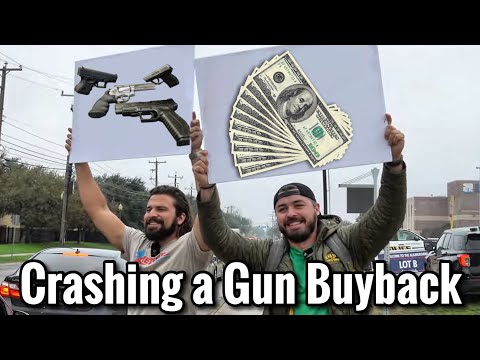
Brandon Herrera, an FFL and professional firearms manufacturer, attended a San Antonio gun buyback event to purchase firearms before they were destroyed. He and his team offered cash for guns, contrasting with the city's gift card incentives. Despite successfully completing private sales, they were eventually asked to leave the premises by law enforcement and event staff for conducting private transfers on city property. Herrera critiqued the buyback's effectiveness, citing studies and police chief statements.
This video provides a critical analysis of the "ghost gun" narrative presented by CBS's 60 Minutes. The speaker, Reno May, argues that the term "ghost gun" is a manufactured scare tactic and that the laws surrounding unserialized firearms are often misunderstood. He explains that the ability to build firearms at home from parts, or to deface serial numbers on existing firearms, is not a new phenomenon and that existing laws are often circumvented through private sales or illegal acts, regardless of whether the firearm is factory-made or home-built. The video highlights the legal complexities and the ATF's stance, while also critiquing the sensationalism used in media reports.
This video provides a comprehensive guide on selling personal firearms while mitigating liability. It outlines methods including selling to an FFL (Federal Firearms Licensee) for zero liability but lower return, and selling to individuals via online platforms or local forums. The instructor emphasizes verifying buyer legitimacy through methods like checking for concealed carry permits or utilizing FFL transfers to protect against legal repercussions.
This video debunks the common myth of the 'gun show loophole,' explaining that FFL dealers must follow standard procedures like background checks at gun shows. Private sales between individuals within the same state are generally permissible without a background check, though a bill of sale is recommended for traceability. The discussion clarifies that federal firearm registration does not exist, and Form 4473 serves as a trace record for FFL sales, not a universal registration.
You've reached the end! 5 videos loaded.
Gun Laws by State
Read firearms regulations for all 50 states + D.C.
Find Gun Dealers
Search licensed FFL dealers near you.