This video, featuring a lawyer and former prosecutor from Shark Coast Tactical, explains the complex legal landscape surrounding marijuana use and firearm ownership in the US. It clarifies that under current federal law, marijuana use is a disqualifier for purchasing firearms, regardless of state-level legalization, due to its Schedule 1 classification. The discussion highlights the implications for Form 4473 and ATF enforcement, noting that until official guidance changes, known marijuana users will be denied firearm sales.
This video features a Gun Lawyer from Shark Coast Tactical explaining how marijuana use can make an individual a prohibited person under federal law, regardless of state legalization. The discussion delves into the complexities of federal drug classification, the role of Congress versus the executive branch in changing these laws, and the implications for firearm ownership and background checks. The speaker critically analyzes political inconsistencies regarding executive overreach.
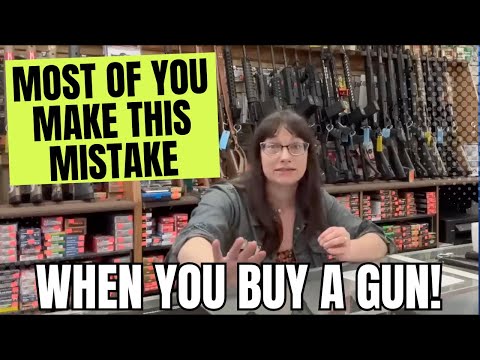
This video provides a public service announcement regarding common mistakes made when filling out the ATF Form 4473 for firearm purchases. It highlights the importance of reading the entire question, especially sections 21 and the specific instructions for U.S. citizens regarding questions 21N1 and 21N2, which should be left blank. The speakers emphasize that these forms, revised in April 2023, are often misinterpreted due to their wording and placement of instructions, leading to errors that require correction.
This video provides a public service announcement regarding common mistakes made when filling out the revised ATF Form 4473 for firearm purchases. It highlights that many individuals, including experienced gun owners, fail to read the entire questions, particularly sections 21B and 21N. The presenters emphasize that US citizens should leave specific alien-related questions blank and proceed to signature lines, a detail often missed due to the form's layout.
This video details a concerning case where a Montana resident had his firearms confiscated due to a red flag order issued in Washington state, despite having no recent ties to Washington. The order was eventually dismissed, but the individual was still listed as a prohibited person, highlighting issues with inter-state enforcement and the difficulty of removing oneself from such lists. The Montana Shooting Sports Association is working on legislation to prevent similar occurrences.
This video clarifies the specific legal definitions and requirements related to mental health and firearm purchases in the US, focusing on the Form 4473. It emphasizes that 'mental illness' is not the disqualifying factor, but rather specific legal determinations like being adjudicated as mentally defective or committed to a mental institution against one's will. The content highlights the importance of precise legal language in gun laws and the potential chilling effect of broad interpretations on individuals seeking mental health treatment.
This video serves as a public service announcement regarding common mistakes made when filling out the ATF Form 4473 for firearm purchases. It highlights the importance of reading questions entirely, particularly for US citizens who should skip specific sections related to alien status and proceed directly to signing the form. The speakers emphasize that the form's wording can be confusing, leading many to err, and provide guidance on correcting mistakes.
This video critiques a news article suggesting that tracking denied gun sales could prevent tragedies. The speaker argues that such policies are ineffective and based on flawed logic, citing the case of Muhammad Solyman, who attempted to purchase firearms despite being a prohibited person. The video highlights that existing laws already cover items like Molotov cocktails, and that focusing on denied purchases for job applications is an overreach.
The video clarifies that the 'gun show loophole' is a term often used by gun control advocates. It explains that while private sellers in some states, like Kansas, may not be required to conduct a background check, licensed dealers (FFLs) at gun shows must always perform a background check using Form 4473, or accept a valid concealed carry permit as an alternative.
This video provides a crucial public service announcement regarding common mistakes made when filling out the ATF Form 4473 for firearm purchases. It highlights the importance of reading the entire form, particularly sections related to alien status and US citizen requirements, to avoid errors that can delay or invalidate a firearm transfer. The presenters emphasize that US citizens should leave specific sections blank and proceed to signature and date lines, a detail often overlooked due to the form's layout.
This video explains the process and historical context of restoring Second Amendment rights for individuals who have lost them. It details federal statutes like 18 USC 925C, the role of the Attorney General, and the historical congressional appropriations riders that have hindered the ATF's ability to process these applications. The speaker outlines three categories of individuals who may have their rights restored: non-violent offenders, those convicted of violent crimes, and those in a middle ground, emphasizing the Trump administration's focus on this issue.
Gun Laws by State
Read firearms regulations for all 50 states + D.C.
Find Gun Dealers
Search licensed FFL dealers near you.