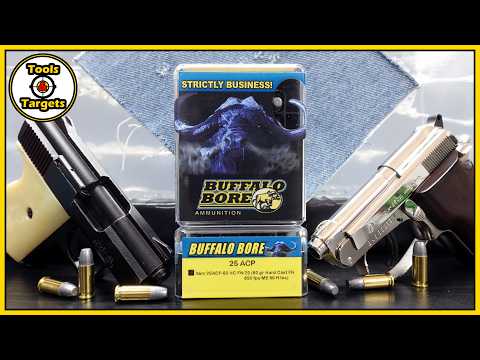
This video provides a detailed ballistic gel test comparing Buffalo Bore .25 ACP ammunition fired from a Lorcin pistol versus a Beretta 21A Bobcat. The test evaluates projectile performance through a simulated clothing barrier, measuring penetration depth and velocity. The instructor, with significant firearms experience, highlights the critical role of the firearm platform in achieving consistent ammunition performance, particularly for smaller calibers.
This video from Yee Yee Life explores the ballistic penetration capabilities of various firearms and ammunition types through basketballs. Lead Firearms Instructor and SEO Strategist Parker demonstrates the stopping power of .22LR, 9mm (FMJ and Hollow Point), 12 Gauge (Birdshot and Slug), and .50 BMG rounds. The experiment highlights how different projectile designs and calibers interact with a soft, yielding medium like a basketball, offering practical insights into terminal ballistics and the limitations of improvised barriers.
This video provides an expert-level ballistic gel test of Sellier & Bellot XRG Defense .38 Special ammunition, conducted by the Tools&Targets host, an experienced reviewer. The test meticulously measures velocity, penetration, and expansion through a simulated clothing barrier using revolvers like the Rock Island Model 206 and Smith & Wesson 686 Plus. The analysis highlights critical performance data, offering insights into the ammunition's effectiveness for self-defense.
This video tests the thermal effects of Dragon's Breath shotgun ammunition on ballistic gel. The experiment demonstrates that the ammunition causes significant burning and melting of the gel, indicating a substantial thermal output. The test uses a double-barrel shotgun and specialized ammunition from Hicory Flatbor, with additional Wallbear projectiles added to increase penetration chances.
This video features an expert-level ballistic test comparing 1776 USA's lead-free 9mm ammunition against traditional FMJ rounds. The host, demonstrating high authority and expertise, conducts multiple penetration tests, including cinderblocks, car doors, and body armor, highlighting the superior barrier penetration of the lead-free bonded steel projectiles. The tests also confirm the reliability of the lead-free rounds in cycling a Girsan Influencer X 1911 pistol.
This YouTube Short explores the ballistic capabilities of common water jugs, specifically questioning their effectiveness at stopping bullets. The video title "Can Water Jugs Stop a Bullet? #shorts" suggests a practical demonstration or test. Given the nature of the query, it's highly probable that firearms and ammunition will be used to conduct this test. The content likely aims to provide a visual answer to a common question regarding projectile penetration through everyday objects.
This video tests the ability of a 5kg block of solid medical-grade ice to stop shotgun projectiles. Initially, fine lead ammunition was tested against the ice block and a milk jug. While the ice block was impacted, the milk jug behind it remained intact, suggesting the ice was effective against this type of projectile. However, when buckshot was fired, the ice block shattered, and the projectiles penetrated the milk jug, indicating the ice was not effective against buckshot.
This video explores the penetration capabilities of the .50 BMG round against pumpkins. It demonstrates that a single pumpkin is insufficient to stop a .50 BMG round fired from a Raptor 50. Multiple attempts show that the round can penetrate up to six pumpkins before veering off, highlighting the significant power of the .50 BMG cartridge.
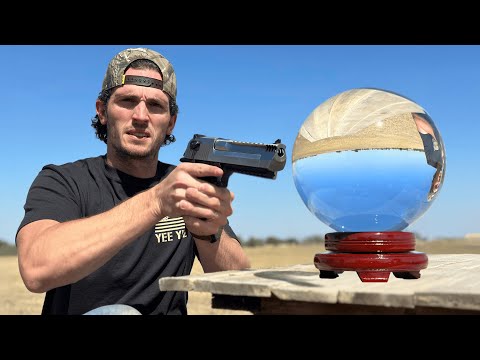
This video from Yee Yee Life tests the surprising bullet resistance of an 8-inch solid glass ball against a variety of calibers, from .22 LR to .50 BMG. While high-powered rounds cause significant shattering, the glass ball consistently stops projectiles, demonstrating an unexpected level of durability. The host, Parker, also highlights the glass ball's potential as a fire hazard due to its magnifying properties.
This video explores the potential danger of marshmallows when fired from a shotgun, conducting tests for accuracy, impact energy, and lethality. While the primary focus is on a novelty experiment, it touches upon projectile energy and penetration capabilities. The presenter also promotes a giveaway for tactical jackets.
This video explores DIY body armor solutions using common household items and budget-friendly materials, testing their effectiveness against .22LR and 9mm projectiles. Participants attempted to protect pumpkins using items purchased from Dollar General, including water jugs, hair spray, soda bottles, dirt, and a cast iron skillet, with varying degrees of success.
This video tests the efficacy of firing bubble gum from a shotgun. While the gum and lead projectile showed surprising energy transfer in a water jug test and some penetration in ballistic gel, the gum itself only penetrated about a finger deep. The lead projectile passed through the gel entirely. The test concluded that while technically lethal due to the lead, the use of bubble gum as ammunition lacks practical sense.
Gun Laws by State
Read firearms regulations for all 50 states + D.C.
Find Gun Dealers
Search licensed FFL dealers near you.