This video discusses changes impacting CCW permits in California, particularly concerning restraining orders. It highlights how a restraining order, even if later found baseless, can lead to CCW denial and inclusion in national background check systems, raising due process concerns. The discussion points to legislative clarifications expected by 2026 to address these issues.
This video discusses how restraining orders in California can be weaponized against innocent gun owners, leading to the loss of their firearms. It highlights cases where disputes, even minor ones like neighborly disagreements or the use of security cameras, have resulted in firearm prohibitions, often for extended periods. The CRPA emphasizes that the system is ripe for abuse and needs reform to prevent such injustices.
This video details the legal and political fallout for Minnesota Senator Nicole Mitchell, who faces felony charges for burglary and possession of burglary tools. Despite these charges, Democrats have repeatedly voted to keep her in office, citing concerns about losing their one-seat majority and hindering gun control efforts. The narrative highlights a perceived conflict between legislative duties and personal accountability, with Mitchell invoking her Fifth Amendment rights and voting on matters directly affecting her position.
The Supreme Court's decision in Rahimi v. United States upholds a federal law prohibiting individuals subject to domestic violence restraining orders from possessing firearms. This ruling clarifies the application of the Second Amendment in relation to domestic offenders, affirming that such prohibitions do not infringe upon constitutional rights, particularly in light of historical legal precedents for disarming individuals deemed a threat. The decision is expected to impact ongoing legal challenges to various gun laws.
This video discusses recent legal challenges and legislative threats to Second Amendment rights. It covers a Fifth Circuit ruling on due process and firearm rights in the context of domestic violence accusations, a lawsuit concerning interstate firearm permit reciprocity, and a proposed broad gun ban in Colorado. The content highlights the ongoing legal and political battles surrounding gun control in the United States.
This short discusses a temporary restraining order granted against Governor Grisham, with the Attorney General refusing to defend the governor's actions, deeming them unconstitutional. The speaker highlights the cost of private counsel for the governor and criticizes the unlimited funds available to state governments for litigation that can challenge fundamental rights like the Second and First Amendments.
This video discusses the legal strategy behind selecting a candidate to argue a Second Amendment case before the Supreme Court, specifically referencing the Rahimi issue. The speaker critiques the choice of an individual who they believe is an unsuitable representative due to a history that might warrant a restraining order, contrasting this with individuals who have demonstrated they were not at fault in domestic disputes.
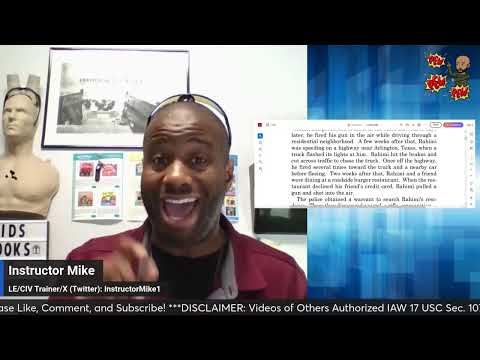
This video analyzes the Supreme Court's decision in the Rahimi case, which addresses the Second Amendment rights of individuals subject to domestic violence restraining orders. The court held that individuals found to pose a credible threat to others can be temporarily disarmed, consistent with the Second Amendment and historical firearm regulations. The speaker details the specific circumstances of the Rahimi case, highlighting the defendant's violent actions and the legal arguments presented.
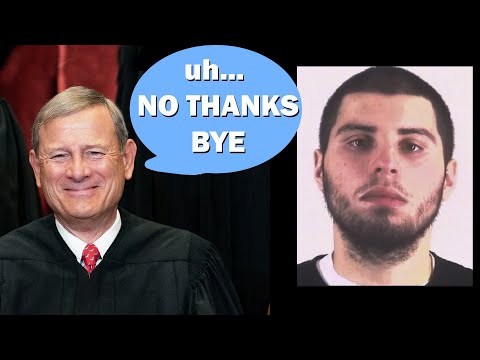
The Supreme Court ruled 8-1 in the Rahimi case, affirming that individuals subject to domestic violence restraining orders can be prohibited from possessing firearms. The majority opinion, authored by Justice Roberts, established that such orders must contain a finding of a credible threat to the physical safety of an intimate partner or their child. Justice Thomas dissented, arguing the statute strips individuals of Second Amendment rights without due process and lacks historical precedent.
The Supreme Court upheld the federal law prohibiting individuals subject to domestic violence restraining orders from possessing firearms in the case of United States v. Rahimi. The ruling clarifies that disarming individuals found to pose a credible threat to others is consistent with the Second Amendment, drawing upon historical firearm regulations. The decision emphasizes that the right to bear arms is not unlimited and can be restricted when public safety is at risk.
This ARFCOM News segment discusses the "Armed and Prohibited Person System" in California, which flags registered gun owners who become prohibited possessors. It also covers the legislative push for permitless carry in South Carolina, highlighting a contentious Senate amendment that would grant special privileges to legislators. Finally, the video critiques Chicago's use of ShotSpotter, a gunshot detection system, detailing its inaccuracies and potential for racial bias.
This video details a defensive gun use incident where an AR-15 was employed against an armed intruder, Jason Adam Marshall, who was violating a restraining order and had a history of domestic violence. The narrative highlights the limitations of legal protections like restraining orders against individuals intent on harm and underscores the role of firearms in self-defense scenarios when immediate threats arise.
Gun Laws by State
Read firearms regulations for all 50 states + D.C.
Find Gun Dealers
Search licensed FFL dealers near you.