This InRange video explores the historical significance and societal impact of the 1859 Sharps Carbine. While the title suggests a focus on its broader societal influence, the specific mention of the firearm model indicates an analysis of its role, likely within historical contexts of warfare, frontier life, or law enforcement of that era. The description highlights viewer support via Patreon, a common practice for content creators in this niche.
This video delves into the history and functionality of the Sharps carbine, highlighting its significance in the abolitionist movement and the lead-up to the US Civil War. It details the firearm's design evolution, its use in 'Bleeding Kansas,' and the operational mechanics of loading and firing with paper cartridges, emphasizing its advanced breach-loading technology for the era.
This video provides an expert analysis of gas leakage issues in Civil War-era carbines, specifically the Sharps, Smith, and Burnside models, due to their cartridge designs. It highlights the Spencer carbine's self-contained brass cartridge as a significant advancement in shooter safety and comfort. The assessment is delivered with high authority by Karl Kasarda, demonstrating deep knowledge of historical firearm mechanics and direct observation of these issues.
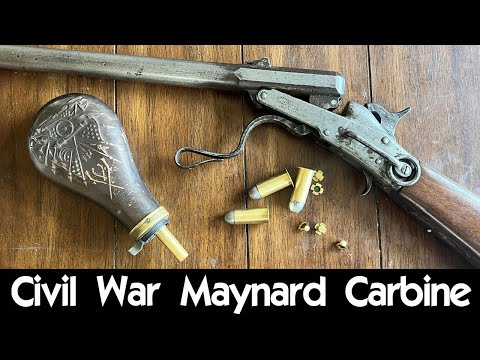
This guide details the field reloading process for the Civil War-era Maynard Carbine, as demonstrated by an expert firearms instructor. It covers the steps for preparing and reloading a brass cartridge using period-appropriate tools like a powder flask and hammer. The instructor highlights the Maynard's advantages, including its breech-loading mechanism and superior gas seal, comparing it to other Civil War carbines.
This episode of American Rifleman Television offers a behind-the-scenes look at CrossBreed Holsters, a review of Hornady's sub-sonic ammunition across various calibers, and a historical segment on the Civil War era U.S. Sharps Carbine. The video provides insights into firearm accessories, ammunition performance, and historical weaponry, catering to a diverse firearms enthusiast audience.
Mark Novak undertakes the challenging restoration of a severely fire-damaged 1863 Sharps Carbine. The project focuses on assessing the salvageable parts from the charred firearm and determining if it can be returned to an operational state. This detailed process highlights the complexities of antique firearm repair and custom gunsmithing.
This video provides an expert overview of the primary breechloading carbines utilized by US Civil War cavalry. It details the technical specifications, operational mechanisms, and historical context of firearms like the Sharps, Spencer, Burnside, Smith, Starr, and Maynard carbines. The instruction highlights the evolution of firearm technology driven by the demands of mounted warfare, emphasizing ballistics and practical field performance.
This video showcases the Lyman Model of 1878 Sharps Carbine, a 140th Anniversary Edition chambered in 30-30 Winchester. Limited to only 140 rifles, these firearms are described as beautiful works of art. The video expresses gratitude to Lyman for their support and also acknowledges Federal Premium. It features various promotional links for affiliate products and merchandise, as well as a call to join the NRA. The creator, Sootch00, encourages viewers to like and subscribe for more gun reviews.
You've reached the end! 8 videos loaded.
Gun Laws by State
Read firearms regulations for all 50 states + D.C.
Find Gun Dealers
Search licensed FFL dealers near you.