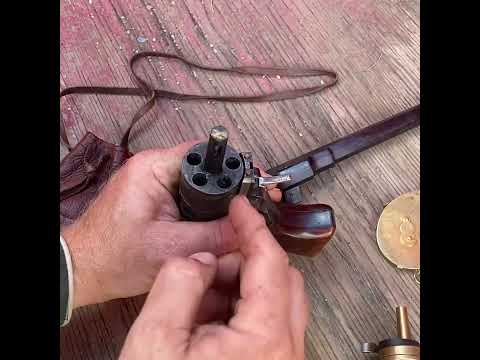
Kickstarting the US Civil War - The Sharps Carbine and John Brown

Published on January 24, 2024
Duration: 22:23

This video delves into the history and functionality of the Sharps carbine, highlighting its significance in the abolitionist movement and the lead-up to the US Civil War. It details the firearm's design evolution, its use in 'Bleeding Kansas,' and the operational mechanics of loading and firing with paper cartridges, emphasizing its advanced breach-loading technology for the era.

Quick Summary

The Sharps carbine, a revolutionary breach-loading firearm from 1848, became a key weapon for abolitionists in 'Bleeding Kansas.' Its advanced design and paper cartridge system offered a significant firepower advantage over contemporary muzzle-loaders, playing a crucial role in the escalating tensions leading to the US Civil War.

Chapters

  1. 00:15Introduction: Sharps Carbine and Civil War History
  2. 01:35Christian Sharps' Breach-Loading Design (1848)
  3. 02:33Evolution of the Sharps: 1853 Slant Breach Model
  4. 03:00Challenges with Paper Cartridges and Gas Seal
  5. 04:01The Kansas-Nebraska Act and 'Bleeding Kansas'
  6. 05:14Border Ruffians vs. Abolitionists in Kansas
  7. 06:38John Brown's Arrival and Response to Violence
  8. 07:54John Brown's Abolitionist Zeal and Connections
  9. 08:30John Brown's Vengeance and the Pottawatomie Massacre
  10. 10:02Henry Ward Beecher and 'Beecher's Bibles'
  11. 10:43Sharps Carbines vs. Muzzle-Loaders: Firepower Advantage
  12. 11:06The Jayhawkers and the Battle of Osawatomie
  13. 11:45Demonstration: Loading Sharps with Paper Cartridges
  14. 13:32Live Fire: Sharps Carbine with Paper Cartridges
  15. 15:22Using Loose Ball and Powder in the Sharps
  16. 16:27Continued Violence in Kansas and Federal Intervention
  17. 17:23John Brown's Shift Towards Harper's Ferry
  18. 17:56The Sharps Carbine's Intertwined History
  19. 18:31Reflections on Violence, Action, and Consequences
  20. 21:37Conclusion: Lessons from History and Firearms

Frequently Asked Questions

What made the Sharps carbine significant in the mid-19th century?

The Sharps carbine was a groundbreaking breach-loading firearm introduced in 1848. Its ability to load from the rear, unlike prevalent muzzle-loaders, offered a significantly faster rate of fire and was a major technological leap in firearm design for its era.

How did the Sharps carbine play a role in the abolitionist movement?

The Sharps carbine became an iconic firearm for abolitionists, particularly in 'Bleeding Kansas.' Supplied through efforts like 'Beecher's Bibles,' these advanced weapons gave abolitionist forces like John Brown's a critical advantage over pro-slavery militias armed with less modern firearms.

What were the challenges with early Sharps carbine ammunition?

Early Sharps carbines used paper cartridges which often lacked a perfect gas seal. This resulted in significant gas leakage from the breach during firing, making the weapon less pleasant to shoot and potentially impacting accuracy, though later cartridge designs improved this.

Can the Sharps carbine be fired without paper cartridges?

Yes, the Sharps carbine is versatile. If paper cartridges are unavailable, it can still be fired using loose ball (bullets) and powder directly loaded into the chamber, making it a reliable option in various field conditions.

More General Videos You Might Like

More from InRangeTV

View all →