This guide details the unique loading and firing sequence for the Spencer Carbine, as demonstrated by an expert shooter. It covers the removal of the buttstock magazine tube, cartridge loading, reinsertion, and the operation of the lever action with an external hammer. The demonstration emphasizes proper handling and proficient marksmanship on steel targets.
This video provides an expert analysis of gas leakage issues in Civil War-era carbines, specifically the Sharps, Smith, and Burnside models, due to their cartridge designs. It highlights the Spencer carbine's self-contained brass cartridge as a significant advancement in shooter safety and comfort. The assessment is delivered with high authority by Karl Kasarda, demonstrating deep knowledge of historical firearm mechanics and direct observation of these issues.
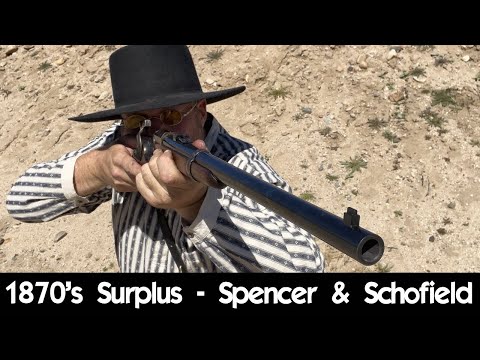
This expert guide details the use of 1870s military surplus firearms, specifically the Spencer Carbine and Schofield Revolver, for a historical two-gun match. It highlights the practical application of Blakeslee tubes for rapid reloading of the Spencer Carbine and discusses the historical context and performance of both firearms. The content emphasizes the challenges and advantages of these vintage weapons in a practical shooting scenario.
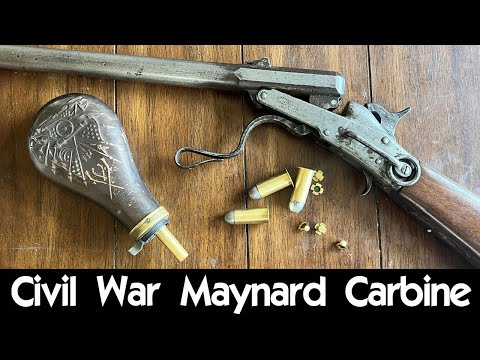
This guide details the field reloading process for the Civil War-era Maynard Carbine, as demonstrated by an expert firearms instructor. It covers the steps for preparing and reloading a brass cartridge using period-appropriate tools like a powder flask and hammer. The instructor highlights the Maynard's advantages, including its breech-loading mechanism and superior gas seal, comparing it to other Civil War carbines.
This Q&A session from InRangeTV covers a wide array of firearms-related topics, from training methodologies and optic choices to historical firearms and modern self-defense considerations. The host discusses the effectiveness of .22LR conversion kits versus dedicated .22LR rifles for marksmanship training, offers insights into VOMZ optics, and weighs the merits of the 1911 against the 1917 revolver for self-defense. Practical advice is given on reloading black powder cartridges in the field, the historical context of the 'Mares Leg,' and the practicality of various handgun and rifle platforms for everyday carry and home defense. The discussion also touches on the challenges of historical accuracy in firearms representation, the evolution of firearm design, and the importance of community in survival scenarios.
This video provides an expert overview of the primary breechloading carbines utilized by US Civil War cavalry. It details the technical specifications, operational mechanisms, and historical context of firearms like the Sharps, Spencer, Burnside, Smith, Starr, and Maynard carbines. The instruction highlights the evolution of firearm technology driven by the demands of mounted warfare, emphasizing ballistics and practical field performance.
This video provides a detailed look at the Spencer Carbine, focusing on its historical design and unique loading mechanism. It demonstrates the use of a Blakeslee loader for the buttstock-mounted magazine and showcases the lever-action cycling during live fire. The expert handling and demonstration highlight the carbine's functionality as a historical firearm.
This guide details the operation and loading procedures for several iconic historical firearms, including revolvers, rifles, and shotguns, as demonstrated by an expert with high authority in historical firearms. The video covers the Colt Single Action Army, Mauser C96, Spencer Carbine, 1860 Henry Rifle, Springfield Model 1873, Krag-Jørgensen, Remington Rolling Block, Winchester Model 1897, and Browning Auto-5, emphasizing safe handling and unique mechanisms.
This Q&A episode from Forgotten Weapons covers a wide range of firearms topics, including the viability of belt-fed AR uppers, the historical development of intermediate cartridges, and the mechanics of recoil compensation in various firearms. Ian McCallum also discusses the Finnish military's adoption of Soviet weaponry, the effectiveness of rifle grenades versus bazookas, and the best bolt-action military rifle. The episode touches on the challenges of reproducing historical firearms like the Patterson device and the practicalities of concealed carry with antique handguns.
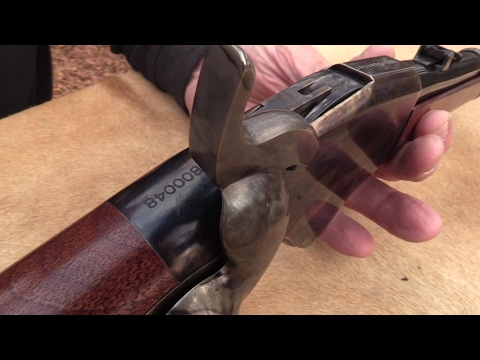
This guide details the operation and loading of a Chiappa reproduction Spencer Carbine, emphasizing its unique manual cocking mechanism and buttstock-fed tubular magazine. The video highlights the historical significance of the Spencer rifle, its use during the Civil War, and its comparison to contemporary firearms. Expert instruction is provided on safe handling and the specific steps required to load and fire this iconic lever-action firearm.
This analysis details a unique smoothbore Spencer conversion, likely a surplus 1865 carbine modified for civilian use as a 'foraging' gun. Expert Ian McCollum highlights key identification features, including serial numbers, the Stabler cutoff, and evidence of its carbine origin, providing a deep dive into this historical firearm's transformation.
This Q&A video from Forgotten Weapons addresses several firearms-related questions. Topics include the Heckler & Koch G11 and the challenges of caseless ammunition, the historical precedence of detachable magazines over clips, the operational use of Japanese knee mortars, preferred Civil War cavalry carbines, early aircraft machine gun synchronization systems, the 'ridiculous' Cobra Terminator shotgun, differences between the Owen and F1 submachine guns, and beginner firearm recommendations. The host, Ian, provides historical context and technical insights based on his expertise.
Gun Laws by State
Read firearms regulations for all 50 states + D.C.
Find Gun Dealers
Search licensed FFL dealers near you.