This video demonstrates the correct techniques for holding a hand grenade, emphasizing the differences for right-handed and left-handed individuals. It explains the function of the pull ring and spoon as safety devices and provides specific grip methods to ensure secure handling and proper ring manipulation.
This guide, presented by Instructor Mike, emphasizes the critical importance of accessible handcuff placement on a duty belt for immediate deployment. It highlights that performance degrades under stress, making consistent practice essential. Proper setup ensures one side of the cuff is ready to receive the wrist, minimizing wasted effort during critical incidents. The instruction stresses that familiarity with specific handcuff models and regular practice of duty belt configuration are key to effective use when needed.
This guide, based on expert instruction from Tenicor, focuses on optimizing an AR-15 for barricade shooting. It details why certain accessories like vertical grips, hand stops, and finger stops can hinder performance by snagging on cover and reducing stability. The core technique emphasized is 'decking' the rifle on a surface for maximum stability, which is best achieved with a clean accessory rail profile.
This video provides two essential tips for individuals carrying a firearm, particularly in an appendix position, while in a vehicle. The first tip focuses on proper seatbelt placement to ensure easier access to the firearm and increased safety during a collision. The second, more critical tip, details a technique for quickly and safely releasing the seatbelt by going under it, preventing snags and allowing for faster egress from the vehicle.
This video outlines a universal CQB room clearing procedure from an infantry NCO perspective, emphasizing safety and effectiveness in WROL/SHTF scenarios. Key steps include engaging threats, securing civilians, systematically searching high, low, and for dead space, and managing personnel. The instructor stresses the importance of repetition and team coordination for survival.
This guide details the technique for drawing and opening a pocket knife for self-defense, emphasizing maintaining control and keeping the blade close to the body. It covers confirming the knife's position, initiating the draw, and the mechanical opening process using the thumb nub. The instruction highlights the importance of keeping the knife secured to prevent disarming during a confrontation.
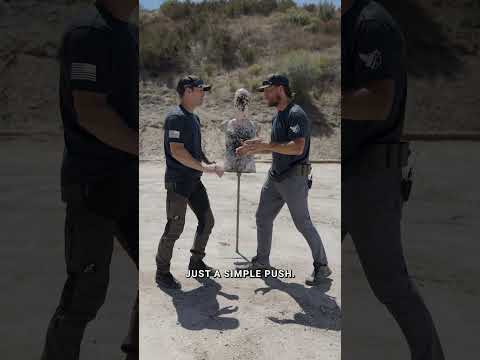
This guide details three techniques taught by USCCA Training Instructors for creating space during a close-quarters handgun draw. Methods include elbow framing, shoulder framing with a chin lift, and a direct push, all emphasizing consistent draw mechanics for safe and effective engagement.
John Lovell, founder of Warrior Poet Society, provides practical advice for managing your Everyday Carry (EDC) firearm in public restrooms. He demonstrates techniques for urinals and stalls to keep your firearm secure, concealed, and off the ground, emphasizing situational awareness and preventing accidental loss.
This guide provides tactical advice for responding to unexpected knocks at the door, particularly during late hours. It emphasizes identifying potential visitors, prioritizing communication over immediate engagement, and the importance of concealed carry for self-defense. The instructor highlights the risks of displaying firearms to law enforcement and offers practical methods for discreetly carrying a weapon when answering the door.
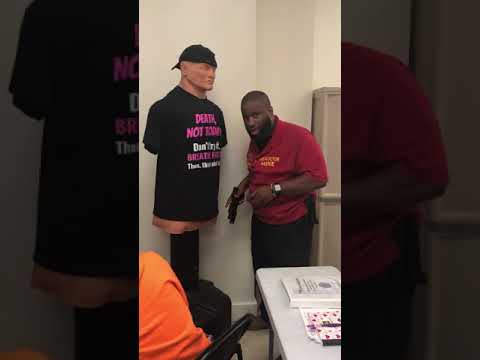
Instructor Mike demonstrates a critical close-quarters technique using a Glock 19 equipped with a Streamlight TLR-1 HL. The video highlights how to use the weapon-mounted light to maintain control and prevent the firearm from going out of battery when pressed against a threat. This technique is vital for ensuring weapon function in extreme close-range engagements.
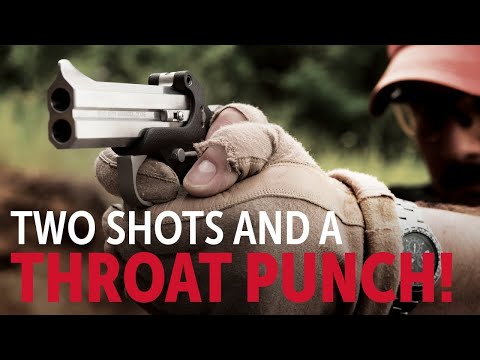
This video from 'Into the Fray' focuses on the practical use and defensive application of a two-shot pistol, often referred to as a derringer. It emphasizes the importance of having a plan for when the limited ammunition is expended, suggesting the firearm can be used as a blunt force weapon. The content highlights self-defense strategies, including creating attacker dysfunction for safe escape, and stresses the effectiveness of close-quarters combat with the derringer's metal body. The video also promotes the USCCA's mission of educating gun owners and providing legal protection, encouraging viewers to subscribe and explore their resources.
This video demonstrates advanced weapon retention techniques for close-quarters confrontations where an adversary attempts to disarm the handler. The instructor emphasizes keeping the firearm tight to the body, using the non-dominant hand for retention, and employing the firearm and elbows to create space after firing a shot. It highlights the importance of professional training for these critical skills.
Gun Laws by State
Read firearms regulations for all 50 states + D.C.
Find Gun Dealers
Search licensed FFL dealers near you.