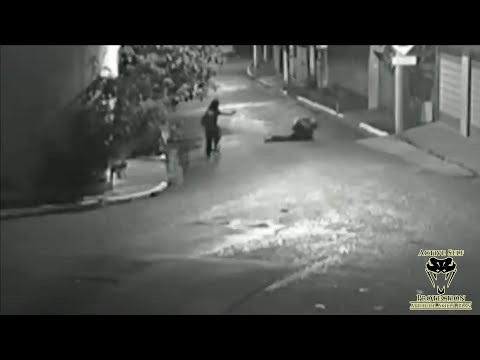
This video details a defensive response to an active shooter incident in Anchorage, Alaska, where a security guard successfully neutralized the threat using a rifle retrieved from a vehicle. The analysis emphasizes critical tactical concepts like the '5Ds+1' for de-escalation and the importance of immediate medical intervention. Instruction is provided by John Correia, a recognized use-of-force expert and Force Science Advanced Specialist.
This video breaks down a carjacking defense scenario, emphasizing the importance of situational awareness ('Condition Yellow') and tactical engagement. Instructor John Correia, with high authority, details the TAP-IFS acronym for post-incident protocols, covering threat assessment, accomplice identification, partner/injury checks, firearm status, and seeking help. The analysis highlights practical self-defense strategies for civilian encounters.
This video from Active Self Protection, featuring expert John Correia, analyzes a self-defense incident where a defender was fatally shot. It emphasizes critical lessons on situational awareness in transitional spaces, the startle flinch response, and the vital post-fight procedures outlined by the TAP-IFS acronym (Threat, Accomplices, Partner, Injuries, Firearm, Follow-up/Seek help). The analysis highlights the importance of recognizing pre-attack indicators and the tactical considerations during a firearm engagement and its aftermath.
This analysis from Active Self Protection, featuring John Correia and Neil Weidner, breaks down a critical incident in Haifa where armed responders were slow to neutralize a perpetrator. It emphasizes the importance of individual responsibility for self-defense, the necessity of high marksmanship standards, and introduces the TAP IFS acronym for post-incident assessment. The video highlights the dangers of missed shots, ricochets, and the critical need for decisive action in deadly force encounters.
This video provides a tactical analysis of a critical incident where a motorist inexplicably drew a firearm on a Westminster Police officer. Instructors John Correia and Mike Willever break down the officer's response, emphasizing immediate threat recognition, tactical retreat, effective use of cover (B-pillar), and decisive engagement. The analysis also covers post-incident scene management and the psychological impact on the officer, highlighting resources for mental health support.
This video from Active Self Protection, featuring John Correia and Neil Weidner, provides a detailed analysis of a carjacking attempt and offers crucial lessons in family defense. The hosts emphasize the importance of situational awareness, especially in transitional spaces like driveways, and advocate for both parents being armed and trained. They introduce the TAP-IFS acronym for post-incident procedures, stressing the need for a pre-discussed family emergency plan.
This video breaks down a self-defense incident where a victim successfully neutralized an armed robbery attempt with a single, well-placed punch. Instructor John Correia highlights the importance of situational awareness in transitional spaces and analyzes the victim's effective striking mechanics. The guide also covers the critical TAP-IFS protocol for post-incident actions, emphasizing legal and ethical considerations for the use of force.
This guide synthesizes expert analysis from John Correia of Active Self Protection on handling a defensive encounter. It covers critical techniques like drawing from cover under duress and the vital post-engagement protocol (TAP-IFS) to ensure safety and proper procedure after a life-threatening event. The instruction emphasizes situational awareness and the psychological impact of return fire.
This analysis breaks down a real-world gunfight where a concealed carrier successfully defended against a moto-robber. Expert insights from John Correia highlight the critical importance of consistent firearm carry, situational awareness, and rapid threat assessment. The incident underscores the effectiveness of proper training, including draw speed, movement, use of cover, and marksmanship at extended distances, challenging common self-defense myths.
This video, featuring John Correia of Active Self Protection, breaks down a self-defense incident in Brazil and emphasizes critical tactical lessons. It highlights the importance of situational awareness in transitional spaces, the necessity of practicing one-handed draws when holding a child, and introduces the TAP-IFS post-shooting protocol. The segment also includes a product promotion for Throom Targets.
This video from Active Self Protection analyzes a self-defense incident where a defender, Diego, used a firearm against two aggressive dogs in Riverbank, California. Instructor John Correia, an evidence-based defensive trainer, breaks down the event, emphasizing consistent firearm carry, situational awareness, and the appropriate use of force. The analysis includes tactical movement and introduces the TAP-IFS framework for post-incident actions.
This video details a self-defense incident involving an off-duty officer in Brazil, highlighting the critical importance of situational awareness and rapid response. Instructor John Correia, an evidence-based defensive trainer, breaks down the officer's impressive 1.2-second draw time and tactical movement. The analysis also introduces the 'TAP IFS' acronym for crucial post-incident procedures, emphasizing immediate threat assessment, self-care, and contacting authorities.
Gun Laws by State
Read firearms regulations for all 50 states + D.C.
Find Gun Dealers
Search licensed FFL dealers near you.