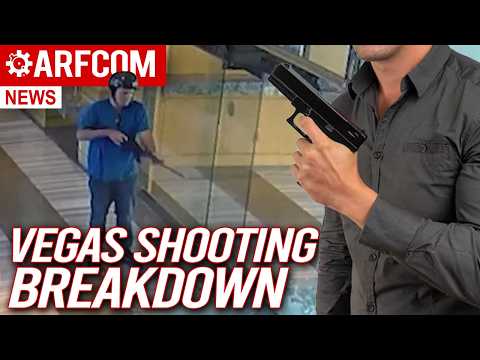
Armed Guards Too Slow To Save Innocent Man in Haifa

Published on April 23, 2025
Duration: 17:22

This analysis from Active Self Protection, featuring John Correia and Neil Weidner, breaks down a critical incident in Haifa where armed responders were slow to neutralize a perpetrator. It emphasizes the importance of individual responsibility for self-defense, the necessity of high marksmanship standards, and introduces the TAP IFS acronym for post-incident assessment. The video highlights the dangers of missed shots, ricochets, and the critical need for decisive action in deadly force encounters.

Quick Summary

The Haifa attack analysis stresses that personal safety is an individual responsibility, even with security present. It underscores the critical need for high marksmanship skills to neutralize threats swiftly and prevent further harm, warning against missed shots and ricochets. The TAP IFS acronym (Threat, Accomplices, Partners, Injuries, Firearm, Follow-up, Seek help) is introduced for effective post-incident assessment.

Chapters

  1. 00:00Introduction & Sponsorship
  2. 00:35Incident Overview in Haifa
  3. 02:35Self-Defense Responsibility
  4. 03:40Importance of Marksmanship
  5. 04:38Emotional Fitness & Situational Awareness
  6. 06:24Lethal Force & Missed Shots
  7. 08:32Critique of Guard's Hesitation
  8. 10:07Armed Bystander Intervention
  9. 12:04Post-Incident Actions (TAP IFS)

Frequently Asked Questions

What lessons can be learned from the Haifa attack regarding armed response?

The Haifa attack highlights critical delays in armed response and emphasizes individual responsibility for self-defense. It stresses the need for high marksmanship skills to quickly neutralize threats and prevent further casualties, as well as the importance of proper post-incident assessment using frameworks like TAP IFS.

Why is marksmanship crucial in defensive shooting scenarios?

High marksmanship skills are vital in defensive encounters to ensure shots are effective and incapacitating, thereby stopping the deadly threat quickly. Missed shots can lead to dangerous ricochets or spall, potentially harming bystanders or responders, as seen in the Haifa incident analysis.

What is the TAP IFS acronym and its purpose?

TAP IFS is a post-incident assessment acronym: Threat, Accomplices, Partners, Injuries, Firearm, Follow-up, Seek help. It provides a structured method for individuals involved in a critical incident to systematically evaluate the situation, ensure safety, and manage the aftermath effectively.

What are the risks associated with missed shots in a firefight?

Missed shots in a firefight pose significant risks, including the potential for bullets to ricochet off hard surfaces or for fragments (spall) to break off upon impact. These secondary projectiles can injure bystanders, responders, or even the shooter, as demonstrated by the analysis of the Haifa incident.

Related News

All News →

More Self Defense Videos You Might Like

More from Active Self Protection

View all →