This drill, demonstrated by a Green Beret, focuses on dynamic target engagement and movement. Key elements include identifying threats from various directions, adapting shooting platforms based on foot position without adjustment, and incorporating varied engagement rhythms. Crucially, it emphasizes maintaining strict muzzle awareness and safety protocols when operating near a partner.
This guide, presented by an expert from Warrior Poet Society, details tactical considerations for engaging an active shooter. It emphasizes counter-ambush positioning, utilizing cover, maintaining situational awareness to avoid friendly fire, and correctly identifying threats versus law enforcement. The advice is framed within the context of a real-world scenario in Austin, TX.
This video showcases the MILO Range Simulator for active shooter training, featuring interactive video scenarios and real-time hit detection. The Guns Blazing Ranch Host demonstrates a drill involving threat identification and engagement in a grocery store setting, followed by a detailed post-action debrief. The simulation utilizes a Glock 17 live fire trainer and Planar monitors for performance analysis.
This video details a figure-eight flat range drill designed by GBRS Group for live fire practice without shoot house access. It focuses on continuous movement, threat identification at edges and corners, and proper use of cover. The drill emphasizes the point man's role in addressing threats and maintaining situational awareness.
This guide, informed by a GUNBROS host with high authority, clarifies the distinct roles of handheld and weapon-mounted lights (WMLs). It emphasizes that WMLs are for high-probability threat scenarios where firearm use is likely, not for general searching. For initial investigations, especially in homes with others, a handheld light is recommended to avoid unsafe muzzle discipline. The video highlights the Streamlight TLR-1 HL as a tactical tool, contrasting it with general-purpose lights.
This video argues that while weapon-mounted lights are often considered useless by many CCW carriers due to lack of training, they can be critical in low-light self-defense scenarios. The instructor emphasizes that integrating light activation into the draw-fire sequence requires dedicated practice to overcome ingrained habits. He highlights the importance of sufficient lumens for threat identification from a low-ready position and discusses the cost implications of lights and compatible holsters.
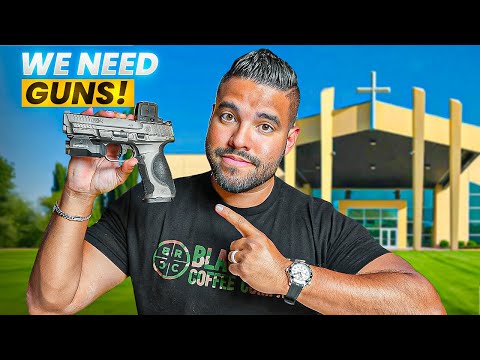
This video emphasizes the critical need for armed citizens and trained security teams in preventing mass casualty events, using a recent church shooting incident as a case study. It highlights the importance of proactive security measures, threat assessment, and the responsibility that comes with carrying a firearm for self-defense and the protection of others. The speaker, John Q, stresses that individuals must be prepared to act decisively in emergencies, as law enforcement response times can be lengthy.
This video reviews the Wurkos TD07 tactical flashlight, presenting it as a viable alternative to weapon-mounted lights. The instructor emphasizes the safety benefit of not pointing a loaded firearm to illuminate a target. Key features discussed include its 300 lumens output, waterproof rating, unique half-press activation for modes, and a finger ring clip for secure handling. The TD07 is highlighted for its quality construction and versatility, offering an option for identifying threats before engaging with a firearm.
This entry details the 'Hooded Box Drill,' a high-stress training exercise described by former Navy SEAL and CIA Contractor Shawn Ryan. The drill involves sensory overload and rapid threat identification under extreme pressure, emphasizing a pass/fail feedback loop common in elite vetting processes like Blackwater's. Ryan's expertise, gained from extensive real-world and training experience, highlights the critical nature of quick decision-making in combat scenarios.
Former Marine Raider Cody Alford emphasizes adapting combat-tested self-defense principles to civilian life. He stresses the importance of continuous training, situational awareness, and overcoming complacency. Alford highlights how personal environments, like homesteading, necessitate adapting gear and mindset, particularly focusing on observation and communication skills over solely tactical engagement. He encourages individuals to overcome perceived high barriers to entry in self-defense training by focusing on fundamentals and making conscious decisions to improve preparedness.
This video from Active Self Protection analyzes a tragic incident where an off-duty officer mistakenly shot a female victim during a motorcycle robbery. The analysis highlights the dangers of third-party intervention, the importance of clear threat identification over pattern matching, and the critical need for immediate medical aid. It emphasizes compliance as the correct choice for victims facing overwhelming odds and stresses the importance of carrying defensive tools on one's person.
This video provides guidance on preparing for and navigating heightened risk environments, particularly mass gatherings. It emphasizes conceptual strategies like avoidance and heightened situational awareness, alongside practical gear recommendations such as easy identifiers, proper footwear, substantial first aid kits, slick armor, less-lethal options like bear spray, and concealed carry firearms. The instructor, Magic Prepper, stresses that the primary goal is escape and evasion, not engaging in prolonged combat.
Gun Laws by State
Read firearms regulations for all 50 states + D.C.
Find Gun Dealers
Search licensed FFL dealers near you.