This video provides a comprehensive explanation of how AR-15 triggers function, detailing the mechanics of both single-stage and two-stage systems. It breaks down key components like the sear, disconnector, and hammer, and explains critical concepts such as trigger break, reset, pull weight, and creep. The instructor also touches on manufacturing processes like Wire EDM and the differences between mil-spec and drop-in triggers, offering advice for trigger upgrades.
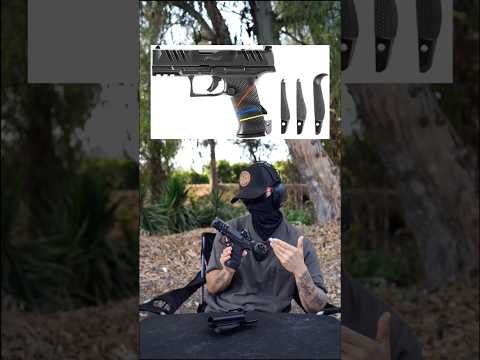
The Walther PDP is praised for its exceptional grip comfort and security, with well-placed finger grooves. The trigger offers a decent takeup, a noticeable wall, and a clean break with a short reset. The primary drawback identified is the difficult-to-remove magazine disconnect on California-compliant models, potentially requiring a gunsmith.
This video reviews the Smith & Wesson Bodyguard 2.0 COMP in .380 ACP, comparing it to the non-comp version. The presenter highlights the comp's effectiveness in reducing felt recoil and improving shot consistency, noting a preference for the comped model for its shootability. The review covers magazine capacity, trigger feel, and the presence of a thumb safety.
This video compares striker-fired and hammer-fired handguns for concealed carry, highlighting the trigger quality and safety considerations of each. The Smith & Wesson CSX E-series (hammer-fired) is praised for its excellent trigger and shootability, while the HK VP9SK (striker-fired) is noted for its simplicity and reliability. The choice between them depends on personal preference for trigger feel versus ease of use in high-stress situations.
This video explains that while a "bougie" or upgraded trigger doesn't automatically make a firearm more accurate, it can significantly improve a shooter's ability to shoot the firearm better. The key is that the shooter must already possess fundamental shooting skills. A crisper, lighter trigger break can lead to increased accuracy if the shooter is performing the correct actions, but improper trigger manipulation (like "yanking") will negate any benefits.
This review of the Springfield Armory Echelon Compact highlights its performance straight out of the box, even in adverse weather conditions. The firearm demonstrated good accuracy at 10, 25, and 50 yards, with impressive groupings achieved despite an unzeroed optic and no prior lubrication. The modularity and ambidextrous features are noted as significant advantages, contributing to its comfortable handling and ease of use for various shooters.
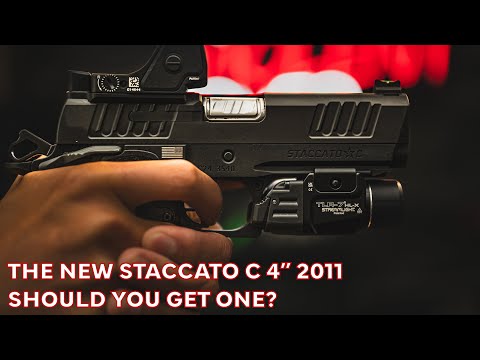
This review of the Staccato C 4" 2011 by Roger Barrera (QVO Tactical) provides an in-depth look at its performance on the range. Roger, a long-time Staccato customer and experienced shooter, highlights the pistol's quick return to zero, comfortable ergonomics, and excellent accuracy. He compares it to the Staccato CS, noting the C's slightly longer grip and barrel, and discusses its suitability for concealed carry and potential for aftermarket modifications. The review also covers trigger characteristics, reliability over 450+ rounds, and optic performance.
This review of the Taurus G3 XL highlights its hybrid design, combining a full-size slide with a compact frame for comfortable carry. The reviewer notes the aggressive grip texture, the trigger's long take-up but clean break, and the overall pleasant shooting experience. The firearm performed well straight out of the box, offering good value for its price point.
This guide details how to effectively dry fire a handgun to evaluate its trigger. It emphasizes checking for trigger 'slop,' identifying the trigger wall, and understanding the break point. The video features Jarod from Gunbros, a professional firearm retailer, demonstrating these techniques on a Sig P320 and a Glock 20, offering practical advice for selecting a handgun with a suitable trigger for individual needs.
This entry details the Tyrant CNC Intellifire Trigger for the SIG P365, highlighting its safety blade system and distinct trigger break/reset. Demonstrated by Dave Tretin, the trigger is designed for concealed carry applications and is expected to be available within 90 days for under $80. The information is presented with high authority, drawing on expertise in concealed carry trends and detailed mechanical demonstrations.
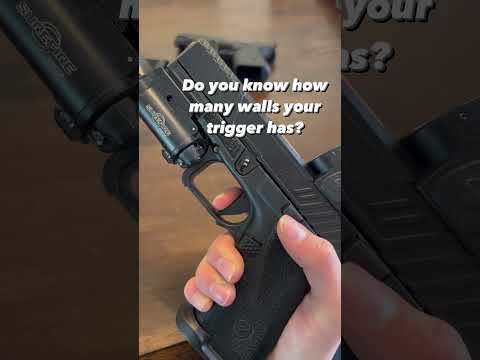
This video, presented by firearms content creator Alyssa Seymour, visually demonstrates the concept of 'trigger walls' in a ZEV Technologies OZ9 handgun. It educates viewers on the distinct stages of resistance a trigger exhibits during a pull, from initial take-up to the final break. The demonstration emphasizes safe firearm handling and an understanding of trigger mechanics, crucial for improving shooting accuracy and control.
Gun Laws by State
Read firearms regulations for all 50 states + D.C.
Find Gun Dealers
Search licensed FFL dealers near you.