This video discusses the comfort and functionality of the Gen 6 Glock 17 after extensive shooting. The speaker highlights that despite firing 6,000 rounds, general discomfort related to the gun's function was minimal, with only expected fatigue in the wrists and support hand. The firearm's predictable recoil and consistent trigger pull are noted as key factors contributing to control and the ability to place shots accurately, even when shooting faster. The stock trigger is deemed adequate for most, with options for reduced weight striker springs for those seeking lighter pulls. The trigger shoe's shape is praised for maintaining consistent finger placement and enhancing dexterity, ultimately aiding in straighter shooting.
This video discusses setting performance expectations when training with concealed carry firearms versus full-size duty pistols. The instructor emphasizes that objective metrics are difficult to establish due to significant differences in firearm capabilities like capacity, trigger weight, recoil impulse, and ergonomics. He advises adjusting expectations based on the specific firearm's limitations and capabilities, rather than applying a universal standard.
This video details a modification process to improve the factory trigger of a Springfield Hellcat pistol. The presenter found the stock trigger to have a heavy pull (6-7 lbs) negatively impacting accuracy and follow-up shots. The modification involves installing a Tyrant Hellcat series trigger and an M-Carbo spring kit, which resulted in a noticeable reduction in trigger pull weight to approximately 4 lbs.
The speaker advocates for the Beretta 92 platform, citing its superior raw performance over the Glock. Key advantages highlighted include flatter cycling, faster target reacquisition due to better physics, and a lighter double-action trigger pull. This analysis is based on personal observation and experience.
This guide details the installation of the Timney Alpha Trigger into a Glock Gen 6 firearm. It covers the complete disassembly of the stock trigger mechanism, including removing pins, the locking block, and the trigger housing. The process then details the installation of the Timney trigger, its associated trigger bar, and return spring, followed by reassembly of the firearm. The video emphasizes the benefits of a lighter, crisper trigger pull for improved accuracy.
This guide details how to measure the trigger pull weight on a Ruger SR22P pistol using a Wheeler Engineering trigger gauge. It covers both double-action and single-action pulls, emphasizing the importance of multiple measurements for accuracy. The video highlights differences in trigger pull between a used and unfired model, offering insights for potential buyers.
This guide details the installation and evaluation of the TriggerTech Ace trigger for Glock firearms, based on expert assessment from Ben Stoeger. It covers the trigger's redesign following a recall, its performance characteristics like a ~2.5 lb pull weight and crisp reset, and its suitability for competitive shooting. The speaker, an expert in competitive shooting, emphasizes its reliability over thousands of rounds after the redesign and advises caution for non-competition use.
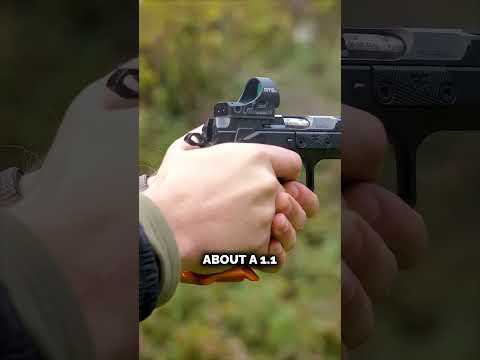
This video provides expert insights into achieving an exceptionally light and crisp trigger break, specifically detailing modifications to internal components. The speaker, identified as Eric from CZ-USA, demonstrates how altering the 'hooks on the internals' can lead to a 1.1-pound pull weight, a significant feature for race guns. The instruction emphasizes precision and technical understanding for advanced firearm tuning.
This guide details how to adjust an AR-15's adjustable trigger, focusing on reducing pre-travel and overtravel for a crisper break. It emphasizes safety checks and the use of a trigger pull gauge. The video, presented by an expert from AT3 Tactical, explains that adjustable triggers offer customization for accuracy and performance, particularly for competition shooters and range enthusiasts, but may not be ideal for home defense or casual use due to potential safety concerns if set too light.
This video provides a comprehensive explanation of how AR-15 triggers function, detailing the mechanics of both single-stage and two-stage systems. It breaks down key components like the sear, disconnector, and hammer, and explains critical concepts such as trigger break, reset, pull weight, and creep. The instructor also touches on manufacturing processes like Wire EDM and the differences between mil-spec and drop-in triggers, offering advice for trigger upgrades.
This guide details the operation of a Forced Reset Trigger on an AR-15 platform, as explained by an experienced instructor from RTT : Guns & Gear. It covers the three-position selector (Safe, Semi, Forced Reset) and the mechanical process by which the cycling action of the firearm forces the trigger to reset, enabling rapid follow-up shots. The guide emphasizes understanding the continuous cycle and practicing safe operation.
Gun Laws by State
Read firearms regulations for all 50 states + D.C.
Find Gun Dealers
Search licensed FFL dealers near you.