This video explores historical grenade booby trap methods, including the 'Afghan Tulip' and pressure-activated traps. It highlights the psychological and area-denial effects of such devices, emphasizing their significant destructive potential. The content is presented as educational, not instructional, and details various historical implementations used by forces in Afghanistan, Vietnam, and modern conflicts.
This video provides an in-depth look at the FORT-230, a 9mm submachine gun developed in Ukraine and currently used by their armed forces and national guard. The presenter highlights its features, including its blowback operating system, ambidextrous controls, adjustable sights, Picatinny rail, and proprietary magazines. The discussion also touches on its durable FOR-4 coating designed for harsh conditions and its potential future availability in the US.
This episode of 'Shoot The Breeze' delves into the evolving landscape of modern warfare, particularly focusing on drone technology and its impact on infantry tactics in Ukraine. The discussion highlights the cost-effectiveness and adaptability of drones, comparing them to traditional weaponry and exploring their role in intelligence, reconnaissance, and direct action. Experts discuss the shift from Soviet-era rigid command structures to more adaptable, initiative-based tactics, emphasizing the challenges and opportunities presented by the transparent battlefield created by ubiquitous aerial surveillance.
This video showcases the operation of a small-caliber portable mortar system, emphasizing the significant recoil experienced during firing. The creator, Nikko Ortiz, highlights the potential dangers of weapon malfunctions, advising caution and proper handling. The implied context suggests a military or tactical training scenario, underscoring the importance of safety and equipment reliability in high-stakes situations.
This entry analyzes combat footage showcasing FPV drone strikes against Russian military hardware, including BMD armored vehicles and self-propelled artillery. It highlights the effectiveness of low-cost drone systems in modern warfare and discusses the tactical implications of urban combat, drawing parallels to historical conflicts. The analysis emphasizes the evolving nature of warfare with the rise of drone technology and potential countermeasures.
This YouTube video focuses on a Ukrainian conscript's trench carbine, likely highlighting its use in a combat environment. Given the context of a conscript and trench warfare, the video probably showcases the specific firearm, its operational context, and potentially its effectiveness or limitations in that scenario. Expect a close look at the weapon itself, possibly including details about its origin, modifications, and how it's employed by Ukrainian forces.
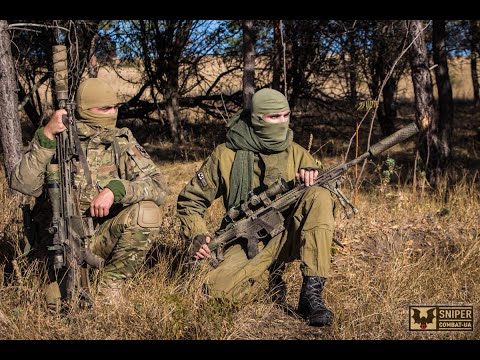
This review of the Ukrainian-made Zbroyar UAR-10 sniper rifle highlights its impressive combat performance and technical specifications. Expert analysis from Iain Harrison of RECOILtv, combined with field reports from Ukrainian soldier Sasha, details the rifle's accuracy, reliability in extreme conditions, and integration with advanced optics and thermal sights. The UAR-10 demonstrates the growing capability of Ukrainian defense manufacturing in producing high-quality AR-platform firearms for long-range engagements.
This entry details the FN FAL, a highly successful battle rifle known for its short-stroke gas piston and tilting bolt operation. It covers its historical development from the FN 49, its widespread global adoption by numerous armies, and its continued relevance in modern conflicts. The information is presented with high authority from a recognized firearms history expert.
Neil Vermillion, a former US Army soldier and training advisor in Iraq and Ukraine, discusses his experiences as a volunteer fighter and trainer. He details his motivations, the financial and logistical aspects of his deployments, and the practicalities of combat. Vermillion also offers insights into military equipment, training standards, and the differences between various fighting forces, emphasizing the importance of individual initiative and adaptability in modern warfare.
This video provides a raw, on-the-ground perspective from the Ukraine War, detailing the destruction in cities like Irpin and the tactics employed by Russian forces. It includes insights into the effectiveness of 120mm mortars and personal anecdotes about tactical driving and firearm handling. The speaker, with apparent experience in tactical training, shares observations on the realities of combat and the importance of preparedness.
This entry provides an expert overview of the Ukrainian AR-10 variants, the Zbroyar Z-10 and Ukrop UAR-10. It details their technical specifications, including the piston-driven action and 7.62x51 NATO caliber, and explores the manufacturer's history and the rifle's adoption into Ukrainian military service as a replacement for the SVD Dragunov. The information is presented with high authority, drawing on specific knowledge of Ukrainian arms manufacturers and military procurement.
This YouTube video, titled "Top 10 Ukrainian Ground Force Weapons," aims to showcase the most effective weaponry utilized by Ukraine's ground forces. The description highlights the channel's mission and encourages viewer support through Patreon. It also provides links to related channels and social media, including "History of Weapons," "Car Classics," and the channel's own Facebook and Instagram pages. Professor John Mearsheimer from the University of Chicago is credited, suggesting a potentially analytical or expert perspective on the topic.
You've reached the end! 12 videos loaded.
Gun Laws by State
Read firearms regulations for all 50 states + D.C.
Find Gun Dealers
Search licensed FFL dealers near you.