The InfiRay IOP13 is a compact thermal optic designed for tactical applications, offering a 50 Hz refresh rate for minimal lag and an IoT system for smartphone connectivity. It features a 45-degree RMR footprint mount, USB-C charging, and 32GB of internal storage for recording. The optic provides multiple color palettes and reticle options, with a stated effective range of over 230 yards.
This guide details the installation of NVG and thermal optics in tandem using the Unity Tactical FAST Mount, as demonstrated by FalconClaw. It emphasizes the importance of secure mounting and proper alignment for effective night operations. The presenters highlight that NVGs are best for spatial awareness while thermals excel at target detection, offering a significant operational advantage.
This video discusses the impact of optic mount height on night vision use, advocating for higher mounts like the 226 height to maintain an upright head position. It highlights the benefits of integrated backup irons on mounts and showcases Unity Tactical's 4x magnifier, emphasizing its in-house design and integration with FTC mounts.
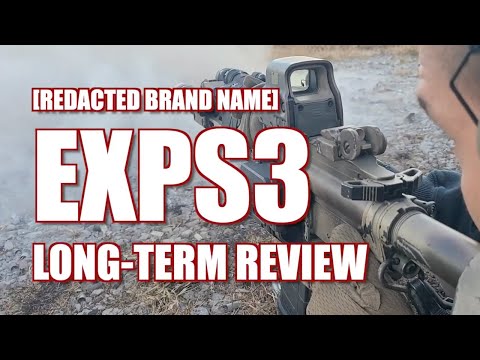
This comprehensive review of the EOTech EXPS3 holographic weapon sight highlights its advanced features, particularly its superior parallax control and versatile reticle design, making it ideal for offensive applications. The instructor emphasizes its effectiveness in various lighting conditions, including with night vision, and its ability to provide crucial data for dynamic shooting scenarios. While acknowledging its power requirements and potential drawbacks for rapid deployment in certain situations, the review positions the EXPS3 as a top-tier optic for skilled users who can leverage its minutiae for a tactical edge.
This video introduces the QDM (Quick Detach Mount) system designed for single-device users, such as those with a thermal optic. It allows for quick detachment of a thermal or night vision device from a rifle and mounting it to a helmet, or vice-versa. The QDM also enables the device to be stowed closer to the helmet when flipped up, improving balance and reducing perceived weight.
This video delves into the crucial question of how much one should budget for night vision equipment. Given the title's focus, it likely explores various price points, functionalities, and considerations for purchasing night vision devices, potentially for recreational, professional, or defensive purposes. The analysis will aim to identify specific types of night vision technology discussed and any related firearm accessories or applications that might be mentioned.
This YouTube video, titled 'DNT Thermnight Thermal POV', focuses on thermal imaging technology likely applied to firearms. The description is minimal, but the title strongly suggests the content will involve the use or demonstration of thermal optics in a firearm-related context, potentially for identification, targeting, or observation at night or in low-visibility conditions. The POV aspect indicates a first-person perspective of the user operating the thermal scope with a firearm.
This video provides an unboxing and overview of the EOTech EXPS3-0 holographic sight. It details the included accessories, the quick-detach mount adjustment process, battery installation, and the operation of its daytime and night vision modes. The presenter explains the reticle options and brightness settings, offering insights into holographic sight technology.
This review focuses on the Primary Arms 3x SLX magnifier with the Pegasus reticle, used for nearly three years. The reviewer highlights its flexibility and how it has revitalized the magnifier concept for red dot sights by offering functionality beyond simple magnification. A key point is the critique of added mass and friction-defeat mounts on traditional magnifiers, which can snag on gear.
This guide, informed by the rigorous field testing of Dirty Civilian, provides an expert-level overview of evaluating 'budget' thermal optics for civilian use. It details how to assess performance factors like image clarity, handheld capability, ease of zeroing, battery life, and weight, comparing specific models such as the Holosun DRS-TH, iRay FAH-25, Nitehog Viper 35, and iRay RH-25. The assessment emphasizes practical considerations for end-users, distinguishing between weapon-mounted and versatile clip-on/handheld systems.
This guide details how to properly adjust and maintain a Trijicon ACOG optic, focusing on mitigating reticle bloom and ensuring proper mounting. It emphasizes hand-tightening adjustment knobs to prevent damage and suggests using tape to control tritium brightness for precise aiming, especially when utilizing the bullet drop compensator.
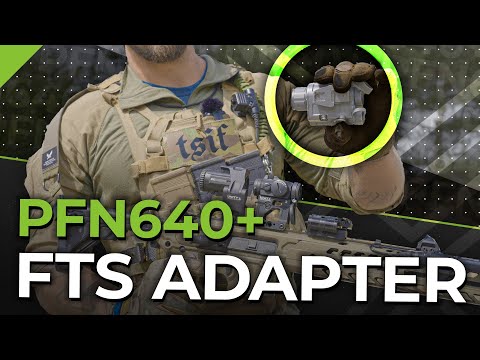
This video demonstrates the effectiveness of a clip-on thermal optic, specifically the PFN640+ or RH25, mounted via a flip-to-side adapter. The setup allows for seamless transition between thermal imaging, red dot sight, and magnifier, enhancing target acquisition at various distances. The presenter highlights its utility for identifying targets in daylight and its potential for nighttime operations, showcasing its accuracy at 100 and 300 meters with 223 Remington 55-grain ammunition.
Gun Laws by State
Read firearms regulations for all 50 states + D.C.
Find Gun Dealers
Search licensed FFL dealers near you.