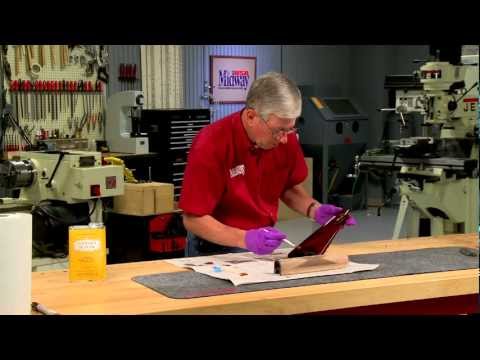
This video details the process of refinishing a custom rifle stock, focusing on sanding techniques and preparing the surface for a new finish. The creator emphasizes a meticulous sanding process using progressively finer grits of sandpaper (180, 220, 320) without harsh chemical strippers. Key advice includes avoiding excessive pressure, maintaining consistent paper movement to prevent deformation, and understanding that minor burn marks from milling may not be removable and should not be over-sanded.
This video showcases the restoration of a sporterized Ishapore Lee Enfield rifle chambered in .303 British. The presenter details the rifle's prior condition, including spray paint and modifications like a shortened stock and removed bayonet lug. The restoration focused on bringing the wood stock back to life, utilizing two different wood species: oak for the buttstock and maple for the forend. The presenter highlights the possibility of restoring old sporterized rifles and offers research services to determine their history.
This video details the process of repairing a chipped wooden stock on a Fabarm Elos over/under shotgun, which experienced failure after approximately 35,000 rounds. The instructor emphasizes structural repair over cosmetic fixes, demonstrating how to inlet a new piece of wood, shape it to match the original contour, and ensure proper recoil transfer points. The process involves careful shaping with various tools and attention to detail to achieve a durable and aesthetically pleasing repair.
This guide details a professional method for refinishing a Remington Model 11 shotgun stock, as demonstrated by Larry Potterfield of MidwayUSA. The technique involves thinning stock finish with mineral spirits and sanding it into the walnut wood to fill the grain, creating a durable and aesthetically pleasing satin finish. The process emphasizes progressive application and sanding with finer grits for optimal results.
This guide details the initial steps for refinishing a Spanish Mauser rifle stock, focusing on removing old finishes and deep-seated oils. It demonstrates a practical, outdoor approach using common household items and specialized degreasers. The process involves hot water treatment, chemical degreasing with Krud Kutter, and a unique poultice method using baking soda to extract stubborn contaminants, as explained by Iraqveteran8888's expert instructors.
You've reached the end! 5 videos loaded.
Gun Laws by State
Read firearms regulations for all 50 states + D.C.
Find Gun Dealers
Search licensed FFL dealers near you.