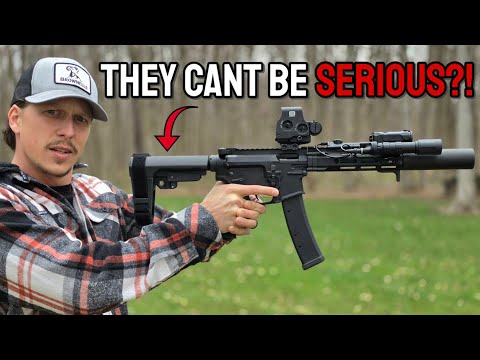
2026 Free Tax Stamp Update!

Published on January 7, 2026
Duration: 2:41

This entry details navigating the ATF website for tax stamp applications, highlighting common issues like crashes due to high volume and offering advice on persistent submission. It also touches upon recent fast approvals and trends in NFA wait times, drawing from an expert assessment of firearm regulations and processes.

Quick Summary

Navigating ATF tax stamp submissions in 2026 involves persistence, as the website can crash due to high volume. Recent trends show dramatically reduced NFA wait times, with approvals sometimes taking only two days. If you encounter errors, keep trying; some users report needing up to 45 minutes of attempts.

Chapters

  1. 00:00ATF Website and Fast Approvals
  2. 00:30Wait Time Trends for 2025-2026
  3. 01:09Submission Persistence Advice
  4. 01:56New Suppressor Showcase

Frequently Asked Questions

What are the current trends for ATF tax stamp approvals?

Recent trends show significantly faster NFA wait times, with some Form 1 and Form 4 approvals processed in just two days. In some instances, wait times have dropped to as low as 14 hours, indicating improved efficiency within the ATF's processing system.

How can I submit ATF forms if the website is crashing?

If the ATF website crashes due to high submission volume, the advice is to keep trying. Persistence is key, as some users have reported needing up to 45 minutes of repeated attempts before successfully submitting their tax stamp forms.

What is a Short Barreled Rifle (SBR) and what are the NFA requirements?

A Short Barreled Rifle (SBR) is a rifle with a barrel shorter than 16 inches or a rifle with an overall length of less than 26 inches. In the USA, SBRs are regulated under the National Firearms Act (NFA) and require a tax stamp and specific forms, like the Form 1, for legal ownership.

What are the benefits of a flow-through suppressor design?

A flow-through suppressor design allows expanding gases to pass through the baffle stack more directly. This can lead to reduced back pressure and potentially lower overall sound signature compared to traditional suppressor designs, making it a desirable feature for firearm owners.

Related News

All News →

More 2nd Amendment & Law Videos You Might Like

More from Tactical Advisor

View all →