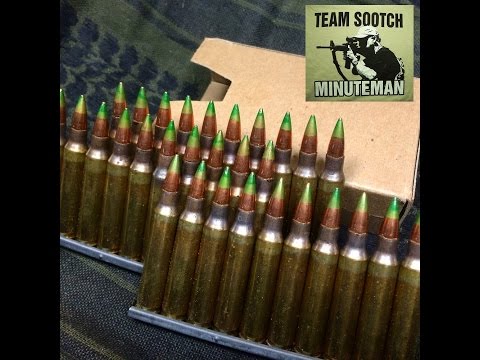
BATF to ban M855 / SS109 ammo

Published on February 15, 2015
Duration: 8:02

This video critically examines the ATF's proposed ban on M855/SS109 5.56mm ammunition, arguing it misinterprets the Gun Control Act of 1968. The speaker, demonstrating expert knowledge of firearms law and ballistics, explains that the legislation was intended to ban armor-piercing handgun ammunition, not rifle ammunition. Evidence is presented showing standard rifle rounds, including M855, can penetrate common law enforcement body armor, rendering the ban arbitrary and potentially a precursor to broader restrictions. Gun owners are urged to contact the ATF to voice their opposition.

Quick Summary

The ATF's proposed ban on M855/SS109 ammunition is criticized for misinterpreting the Gun Control Act of 1968, which was intended to ban armor-piercing handgun ammunition, not rifle rounds. Experts argue that standard .223 rounds can already penetrate common body armor, making the ban arbitrary and potentially a step towards broader firearm restrictions.

Chapters

  1. 00:12M855/SS109 Ammo Ban Explained
  2. 00:35ATF's Interpretation of Gun Control Law
  3. 01:06Senator Moynihan's Testimony on Rifle Ammo
  4. 01:29Rifle Ammo vs. Body Armor Penetration
  5. 02:14Legislative Intent Ignored by ATF
  6. 03:00Goodlatte's Letter to ATF
  7. 04:07ATF Overreach and M855 Ban
  8. 05:26Call to Action for Gun Owners
  9. 06:21Immediate Action Needed: Support MAC

Frequently Asked Questions

What is the ATF's proposed ban on M855/SS109 ammunition about?

The ATF proposed banning M855/SS109 ammunition, commonly known as green-tipped 5.56mm military surplus rounds. The ATF considers it armor-piercing handgun ammunition, but critics argue this misinterprets the Gun Control Act of 1968, which was intended to ban handgun ammo, not rifle ammo.

Why is the ATF's proposed ban on M855 ammunition considered arbitrary?

The ban is considered arbitrary because standard .223 rounds, and most rifle calibers, can already penetrate Threat Level 3A body armor, which is a higher protection level than typically worn by law enforcement. This suggests M855 is not uniquely dangerous in this regard.

What was the original intent of the Gun Control Act of 1968 regarding ammunition bans?

According to Senator Moynihan's testimony, the Gun Control Act of 1968 was specifically designed to ban armor-piercing ammunition intended for handguns. It explicitly excluded rifle ammunition, even if it had armor-piercing capabilities, from this prohibition.

What action can gun owners take regarding the M855 ammunition ban?

Gun owners are urged to contact the ATF to voice their opposition to the proposed M855 ban. Immediate action is crucial to prevent this common and affordable ammunition from being removed from the market, which could be a precursor to broader restrictions.

Related News

All News →

More 2nd Amendment & Law Videos You Might Like

More from Military Arms Channel

View all →