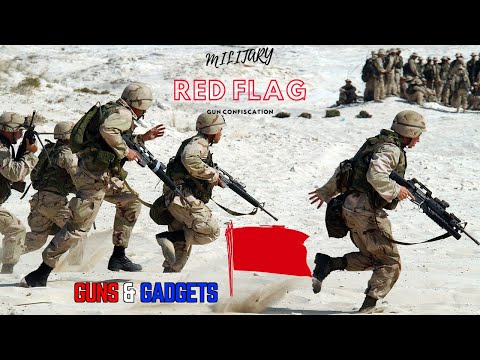
Can Military Disobey Unlawful Orders!..No Politics, Just Facts!

Published on November 27, 2025
Duration: 10:41

This video clarifies that soldiers have a right and an obligation to disobey unlawful orders, as defined by the Uniform Code of Military Justice and international law. The oath of enlistment swears allegiance to the Constitution, not solely to the President or superior officers. Unlawful orders include those that violate the Constitution, federal laws, or international law, such as targeting civilians or committing war crimes. The speaker emphasizes that 'following orders' is not a defense for illegal actions, citing the Nuremberg trials as a historical precedent.

Quick Summary

Soldiers have a right and an obligation to disobey unlawful orders, as defined by the Uniform Code of Military Justice and the Constitution. An order is unlawful if it directs acts like murder, targeting civilians, torture, or violating federal or international law. The oath of enlistment prioritizes allegiance to the Constitution, and 'following orders' is not a defense for illegal actions.

Chapters

  1. 00:07Introduction: Soldier Rights & Unlawful Orders
  2. 01:41Reading the Oath of Enlistment
  3. 02:24Allegiance to the Constitution
  4. 02:42Conditions for Obeying Orders
  5. 03:05Uniform Code of Military Justice Explained
  6. 03:10Types of Unlawful Orders
  7. 03:31Posse Comitatus Act & International Law
  8. 04:09Soldiers as Thinking Individuals
  9. 04:23When to Obey Orders vs. Question Them
  10. 05:12Nuremberg Trials: Following Orders Defense
  11. 05:35Soldier Responsibility for Actions
  12. 06:05Study Your Code of Justice
  13. 06:27The Difficulty of Refusing Orders
  14. 07:10Lawful vs. Unlawful Orders: Political Disagreement
  15. 07:40Unlawful Orders in Combat Scenarios
  16. 08:01Code of Conduct & Military Advancement
  17. 08:33Know Your Rights and Obligations

Frequently Asked Questions

Do soldiers have the right to disobey orders?

Yes, soldiers have both a right and an obligation to disobey unlawful orders. An order is considered unlawful if it violates regulations, the Uniform Code of Military Justice, the US Constitution, federal laws, or international law. This is a crucial aspect of military justice, ensuring service members are not compelled to commit illegal acts.

What does the soldier's oath of enlistment mean?

The oath of enlistment requires soldiers to support and defend the U.S. Constitution, bear true faith and allegiance to it, and obey lawful orders from the President and superior officers, as defined by regulations and the Uniform Code of Military Justice. The primary allegiance is to the Constitution.

What constitutes an unlawful order for a soldier?

Unlawful orders include directives to commit acts like rape, murder (outside of combat), intentionally targeting civilians, torture, violating the Constitution, or breaking federal or international laws such as war crimes. The Uniform Code of Military Justice clearly outlines these prohibitions.

Is 'following orders' a valid defense for illegal actions in the military?

No, 'following orders' is not a valid defense for committing illegal actions or war crimes. The Nuremberg trials famously established that individuals are responsible for their actions, and any thinking person would recognize an order as wrong. Soldiers have an obligation to refuse unlawful directives.

Related News

All News →

More 2nd Amendment & Law Videos You Might Like

More from TheYankeeMarshal

View all →