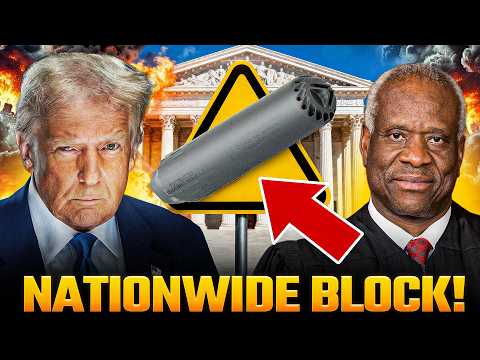
Can You Even Sue the ATF or FBI if They Unlawfully Raid Your Home?

Published on January 30, 2025
Duration: 13:25

This video discusses the legal recourse available when federal agencies like the ATF or FBI conduct unlawful home raids. It focuses on the case of Martin v. United States, which the Supreme Court has agreed to review, and highlights how the 11th Circuit's interpretation of the Federal Tort Claims Act (FTCA) currently bars such lawsuits. The discussion emphasizes the importance of this case for potentially restoring a cause of action against agencies for negligent or wrongful acts during law enforcement operations.

Quick Summary

The Federal Tort Claims Act (FTCA) allows lawsuits against the U.S. government for torts by federal employees. However, the 11th Circuit's interpretation, using the supremacy clause and discretionary function exception, often bars claims from unlawful raids. The Supreme Court's review of Martin v. United States aims to clarify these issues and potentially restore accountability for federal agencies.

Chapters

  1. 00:00Introduction: Unlawful Raids and Recourse
  2. 01:08Sponsor: Sonoran Desert Institute
  3. 01:53The Case: Martin v. United States
  4. 02:41Federal Tort Claims Act (FTCA) Explained
  5. 03:08Sovereign Immunity and its Limitations
  6. 03:30The 11th Circuit's Stance on FTCA Claims
  7. 04:0311th Circuit's Arguments: Supremacy Clause & Discretionary Function
  8. 05:19Understanding Discretionary Function Exception
  9. 06:021974 FTCA Amendment and Law Enforcement Proviso
  10. 07:09Historical Context: Wrong House Raids
  11. 07:22Kardash v. United States and its Impact
  12. 08:05The Problematic Public Policy of the 11th Circuit
  13. 09:27Congress's Intent vs. 11th Circuit's Interpretation
  14. 10:04Why Martin v. United States is Crucial
  15. 11:02Consequences if Martin Does Not Prevail
  16. 12:30Conclusion and Call to Action

Frequently Asked Questions

What is the Federal Tort Claims Act (FTCA)?

The Federal Tort Claims Act (FTCA), codified in 28 U.S. Code section 2680, is a federal law that allows individuals to sue the United States government for torts committed by federal employees acting within the scope of their employment. It serves as a waiver of sovereign immunity for specific types of claims.

Why is the 11th Circuit's interpretation of the FTCA problematic for victims of unlawful raids?

The 11th Circuit has interpreted the FTCA in a way that often bars lawsuits against federal agencies for unlawful raids. They use arguments like the supremacy clause and the discretionary function exception, suggesting that even mistaken raids furthering federal policy or lacking stringent procedures are not actionable.

What is the significance of the Martin v. United States Supreme Court case?

The Supreme Court's review of Martin v. United States is critical because it addresses conflicting interpretations of the FTCA among federal circuits. A favorable ruling for Martin could restore a cause of action for victims of wrongful federal law enforcement raids, holding agencies accountable.

When was the FTCA amended to include provisions for law enforcement actions?

The FTCA was amended in 1974 to specifically include provisions allowing for lawsuits arising out of the actions or omissions of federal investigative or law enforcement officers. This amendment was a direct response to wrongful house raids conducted by federal police.

Related News

All News →

More 2nd Amendment & Law Videos You Might Like

More from Washington Gun Law

View all →