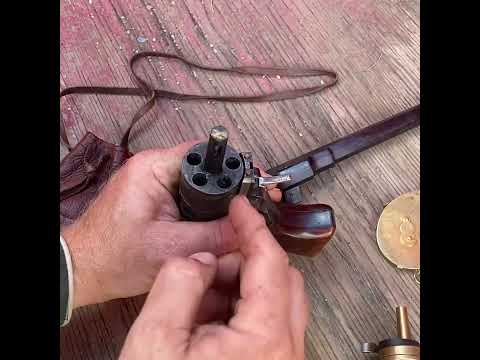
Community Defense Saves Lives - Abolitionists & the 1860 "Race Riots" in Grinnell, Iowa

Published on March 19, 2025
Duration: 7:20

This video details the 1860 "race riots" in Grinnell, Iowa, focusing on the community defense provided by abolitionists to protect fugitive slaves. It highlights how armed resistance by four Black men, supported by abolitionists, prevented their lynching and expulsion from the school system, underscoring the historical importance of firearms in securing freedom and rights.

Quick Summary

In 1860 Grinnell, Iowa, fugitive slaves seeking education faced an anti-abolitionist mob. Armed by abolitionists with revolvers and knives, four Black men defended themselves, preventing violence and asserting their right to freedom. This event highlights the critical role of armed self-defense in historical struggles for civil rights.

Chapters

  1. 00:00Introduction to Grinnell, Iowa
  2. 00:12Josiah Bushnell Grinnell and John Brown's Connection
  3. 00:50The 1860 "Race Riots" Emerge
  4. 01:58Fugitive Slaves Integrated into School System
  5. 02:15Accusations and Legal Challenges
  6. 02:54Shift to Extra-Judicial Violence
  7. 03:10Abolitionist Defense of the School
  8. 03:33The Mob Targets Black Men
  9. 03:42Armed Resistance by Fugitive Slaves
  10. 04:04Standoff at the Churchyard
  11. 04:25Mob Disperses Due to Armed Defense
  12. 04:34Riots Continue, School System Shut Down
  13. 04:41New Legal Barriers to Education
  14. 05:06Abolitionists Establish Homeschools
  15. 05:11Black Men Relocated via Underground Railroad
  16. 05:30Historical Significance of Armed Defense
  17. 06:17Modern Parallels and Historical Amnesia
  18. 06:42Support InRangeTV on Patreon

Frequently Asked Questions

What were the 1860 "race riots" in Grinnell, Iowa about?

The 1860 events in Grinnell, Iowa, stemmed from anti-abolitionist opposition to fugitive slaves attending public schools. When legal challenges failed, a mob armed themselves to intimidate the school and its students, leading to a confrontation.

How did fugitive slaves defend themselves during the Grinnell riots?

Four fugitive slaves, facing an armed mob, were provided with revolvers and knives by local abolitionists. They stood their ground, declaring they would fight for their freedom, which ultimately caused the mob to disperse.

What role did abolitionists play in the Grinnell events?

Abolitionists, including Josiah Bushnell Grinnell and Principal Parker, actively supported fugitive slaves. They defended the school from the mob and provided arms and protection to the Black individuals, ensuring their survival and eventual relocation.

What was the long-term impact of the 1860 Grinnell riots on education?

After the riots, anti-abolitionists enacted a law requiring non-residents to pay significant tuition upfront, effectively barring fugitive slaves from public education. However, abolitionists responded by establishing private homeschools.

More 2nd Amendment & Law Videos You Might Like

More from InRangeTV

View all →