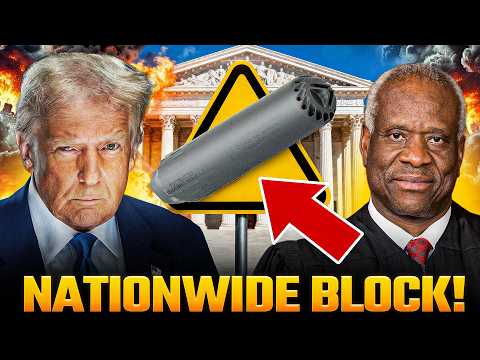
MAJOR BREAKING NEWS: MASSIVE ATF SCOTUS GHOST GUN FIGHT TODAY...

Published on October 8, 2024
Duration: 14:01

This video discusses the US Supreme Court case Vanderstock v. Garland, which challenges the ATF's expanded definition of a 'firearm' under the Gun Control Act of 1968. The core issue is whether partially completed frames or receivers, or weapon parts kits, constitute firearms requiring FFL licensing and NICS background checks. The speaker analyzes the oral arguments, highlighting concerns from Justices Barrett and Kavanaugh regarding the potential implications of the ATF's broad interpretation on existing gun laws and the definition of a 'frame or receiver'. The outcome is predicted to be a close decision, potentially 5-4.

Quick Summary

The Supreme Court case Vanderstock v. Garland challenges the ATF's expanded definition of a firearm under the Gun Control Act of 1968, specifically concerning partially completed frames, receivers, and weapon parts kits. Justices are scrutinizing whether these items, which can be readily converted, should require FFL licensing and NICS background checks, with concerns raised about the broad implications for existing gun laws.

Chapters

  1. 00:00Breaking News: Supreme Court Oral Argument
  2. 00:04Vanderstock v. Garland Case Explained
  3. 00:09ATF's Expansion of Firearm Definition
  4. 00:14Gun Control Act of 1968
  5. 00:26Host Mark Smith Introduction
  6. 00:38Oral Argument Details
  7. 00:56Statutory Definition of Firearm
  8. 01:15ATF's Biden-Harris Era Expansion
  9. 01:46Focus on Statutory Text
  10. 02:01Prediction: Close Case, 5-4 Decision
  11. 02:30Analysis of Conservative Justices' Stance
  12. 03:12Key Role of Justices Kavanaugh & Barrett
  13. 03:21Justice Barrett's Omelet Metaphor
  14. 04:11Critical Component: Frame or Receiver
  15. 04:47Justice Kavanaugh's Concerns
  16. 05:28Mens Rea and Criminal Intent
  17. 06:00Implications for Gun Control Laws
  18. 06:39Hope from Court's Back-and-Forth
  19. 06:50Fifth Circuit Decision (Judge Oldum)
  20. 07:34Dramatic Criminal Consequences
  21. 07:43Connecting Statute Sections A and B
  22. 08:15Single Hole Drilling Debate
  23. 08:45AR-15 and Machine Gun Implications
  24. 09:10Justices Alito & Gorsuch on Text
  25. 09:47Vanderstock Attorney's Positions
  26. 09:56Functional Frame or Receiver
  27. 10:35Alternative Argument: Historical Definition
  28. 11:031968 Definition vs. ATF 2024
  29. 11:36ATF's Current Approach
  30. 12:01Sufficient Milling/Manufacturing
  31. 12:21ATF's Violation of Statute
  32. 12:43Technical Case, Similar to Bump Stocks
  33. 13:02Decision Timeline: Spring 2025
  34. 13:35Conclusion and Future Updates

Frequently Asked Questions

What is the central issue in the Vanderstock v. Garland Supreme Court case?

The central issue is whether the ATF has exceeded its authority by expanding the definition of a 'firearm' under the Gun Control Act of 1968 to include partially completed frames or receivers, and weapon parts kits, requiring them to be treated as firearms for licensing and background check purposes.

What are Justice Barrett's main concerns regarding the ATF's definition of a firearm?

Justice Barrett used an 'omelet' metaphor to question the government's logic, suggesting that mere ingredients (parts) do not constitute the final product (firearm). She also raised concerns about the potential for AR-15s to be classified as machine guns based on the ATF's broad interpretation of 'readily convertible'.

Why is the definition of 'frame or receiver' so critical in the Vanderstock v. Garland case?

The definition of 'frame or receiver' is critical because it is the component that the ATF is using to classify partially completed parts and kits as firearms. The court's interpretation of what constitutes a frame or receiver will determine whether these items fall under federal firearm regulations.

What is the predicted outcome of the Vanderstock v. Garland case?

The speaker predicts a very close decision, likely 5-4, with the outcome uncertain. They suggest the liberal justices will likely rule against the plaintiffs, and the decision may hinge on how the conservative justices interpret the text of the Gun Control Act of 1968 and the ATF's regulatory expansion.

Related News

All News →

More 2nd Amendment & Law Videos You Might Like

More from The Four Boxes Diner

View all →